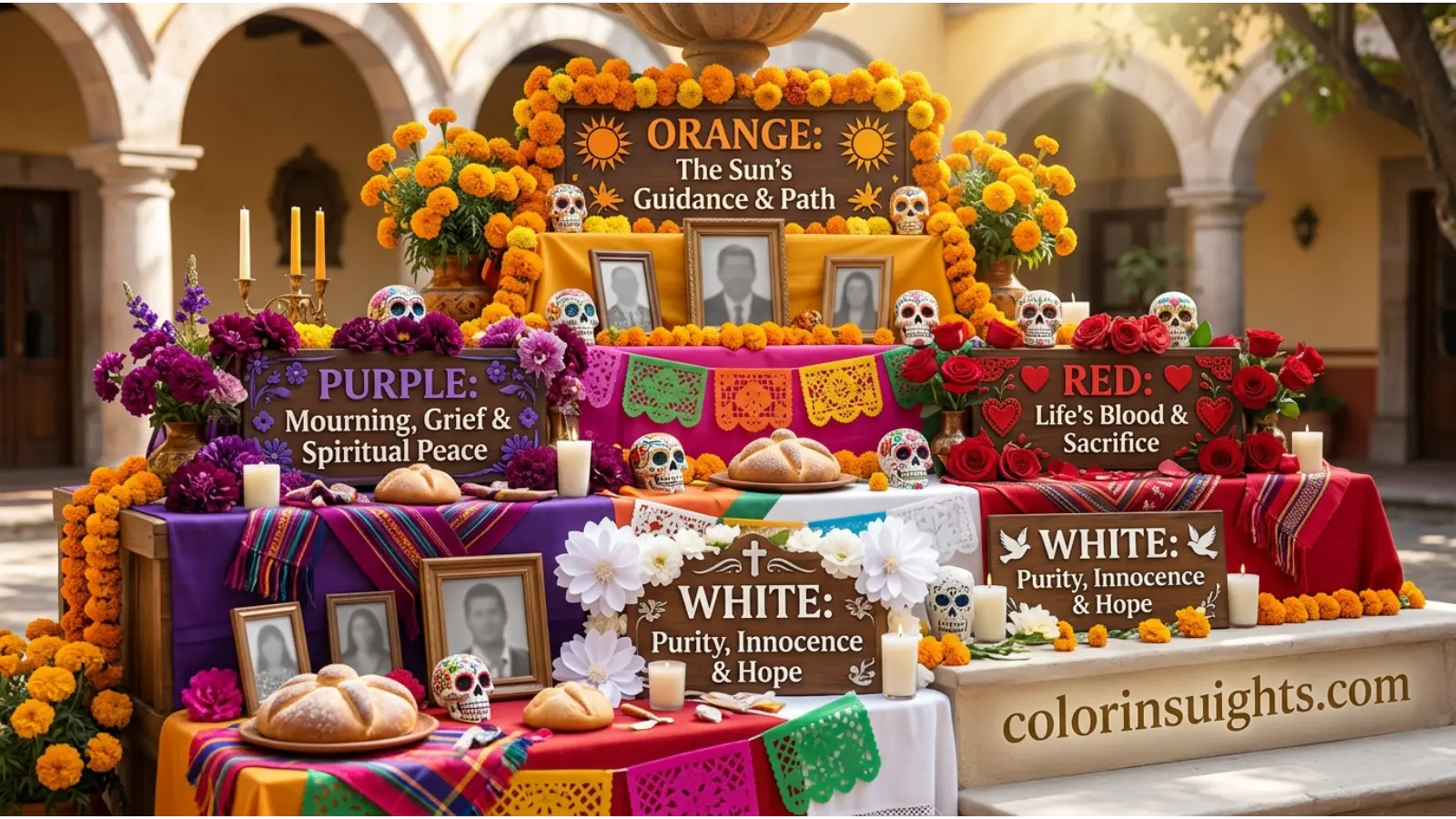
Day of the Dead color meanings reflect remembrance, celebration, spirituality, and the enduring connection between the living and those who have passed away.
During Día de los Muertos, vibrant colors decorate altars, marigolds, sugar skulls, papel picado, candles, flowers, and clothing. Rather than expressing sadness, these colors celebrate life while honoring the memories of loved ones.
Each color carries its own symbolic meaning rooted in Mexican traditions, Indigenous beliefs, and Catholic influences. Understanding these color meanings helps people appreciate the cultural richness and spiritual depth behind the holiday.
Quick Answer:
Day of the Dead colors symbolize life, remembrance, love, hope, purity, mourning, spirituality, joy, and the continuing bond between the living and the deceased.
What Does the Day of the Dead Color Symbolize?
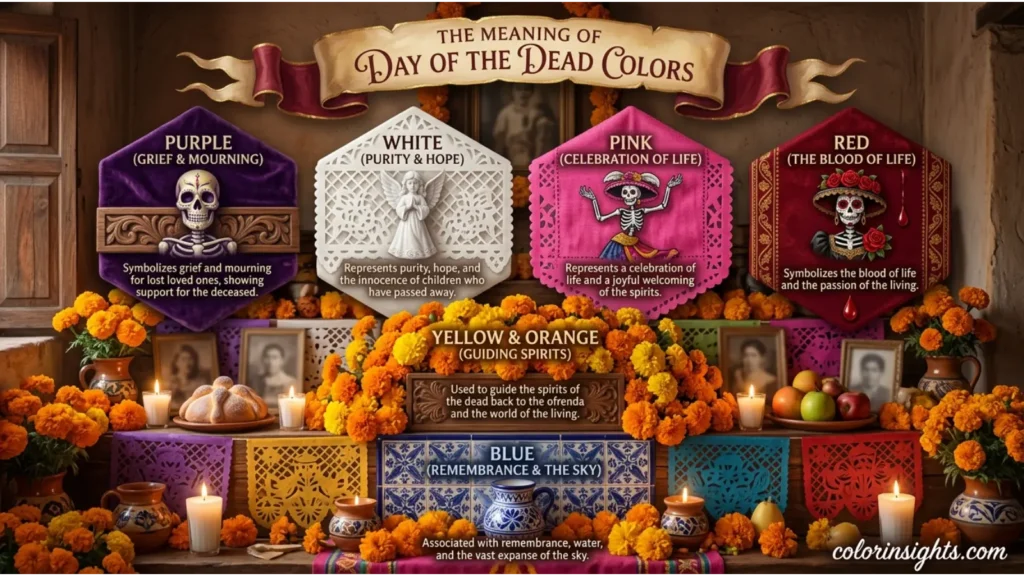
Unlike a single color, the Day of the Dead tradition uses a vibrant palette, with each color representing a different aspect of life, death, memory, and spirituality. Together, these colors create a visual language that honors ancestors while celebrating the cycle of life.
Some of the most recognized Day of the Dead color meanings include:
- Orange symbolizes the sun, remembrance, and the guiding light for returning spirits.
- Yellow represents happiness, abundance, and the marigold flowers that welcome loved ones home.
- Purple signifies mourning, spirituality, suffering, and faith.
- White symbolizes purity, peace, innocence, and hope.
- Red represents love, sacrifice, strength, and the gift of life.
- Pink reflects celebration, joy, and gratitude.
- Black symbolizes death, mystery, and the transition between worlds.
- Blue represents trust, protection, and spiritual guidance.
- Green signifies renewal, hope, and new life.
Together, these colors remind people that death is a natural part of existence rather than something to fear.
Psychological Characteristics of the Day of the Dead Colors
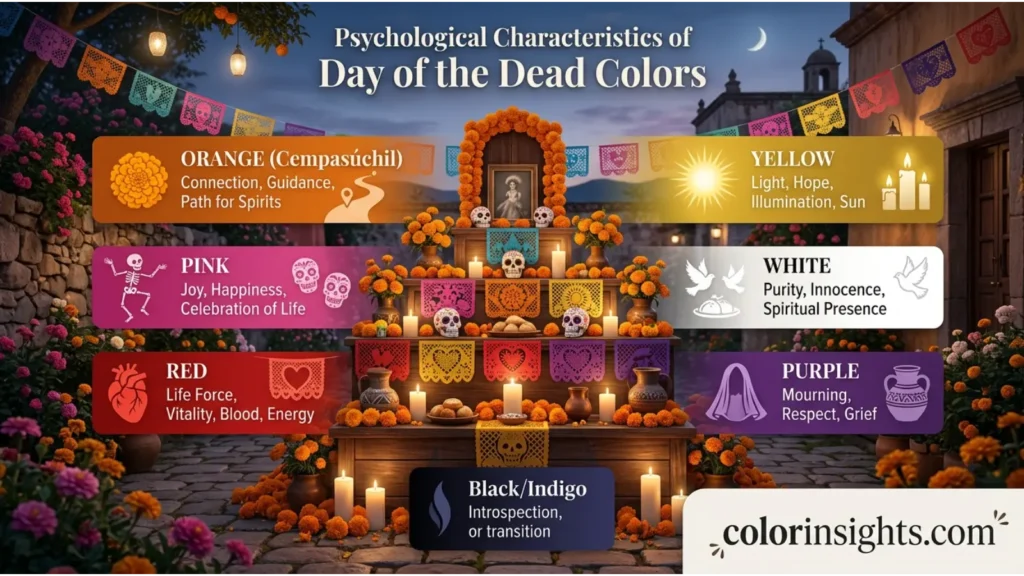
Because Day of the Dead uses multiple symbolic colors, its psychological impact comes from their combined emotional effects.
Emotional Associations
- Celebration instead of sorrow
- Love and remembrance
- Gratitude toward ancestors
- Family unity
- Cultural identity
- Spiritual connection
Psychological Effects
The bright color palette transforms grief into remembrance and encourages positive reflection. Instead of focusing solely on loss, the colors help individuals celebrate cherished memories.
Positive Emotional Responses
- Comfort during remembrance
- Optimism
- Hope
- Joy
- Appreciation
- Emotional healing
- Connection with family traditions
Negative Emotional Responses
Some colors may also evoke:
- Nostalgia
- Longing
- Sadness
- Reflection on mortality
- Emotional vulnerability
These responses are natural and often contribute to healthy emotional processing.
Impact on Mood and Behavior
The colorful decorations create an uplifting atmosphere that encourages storytelling, family gatherings, artistic expression, and community celebrations. Warm colors increase energy, while cooler shades introduce calmness and reflection.
Typical Human Reactions
Many people associate Day of the Dead colors with:
- Respect
- Beauty
- Cultural richness
- Creativity
- Hope
- Celebration of life
- Emotional resilience
Spiritual Meaning of the Day of the Dead Colors
The spiritual meaning of Day of the Dead colors draws from Indigenous Mexican traditions and Catholic beliefs. Each color contributes to the sacred atmosphere of home altars (ofrendas) and cemeteries.
Spiritual Symbolism
- Holiness: White candles and flowers represent sacred intentions and divine peace.
- Wisdom: Purple encourages spiritual reflection and reverence.
- Purity: White symbolizes pure remembrance and sincere prayers.
- Transformation: Orange reflects the transition between life and death.
- Healing: Bright floral colors promote emotional healing among surviving family members.
- Protection: Blue and white often symbolize spiritual guidance and protection.
- Power: Red represents the enduring strength of love across generations.
- Enlightenment: Candlelight and golden marigolds symbolize spiritual illumination.
- New Beginnings: Green reflects renewal and the ongoing cycle of life.
- Eternity: The complete color palette reminds participants that love continues beyond physical death.
These meanings encourage remembrance through gratitude rather than fear.
Positive and Negative Meanings of the Day of the Dead Colors
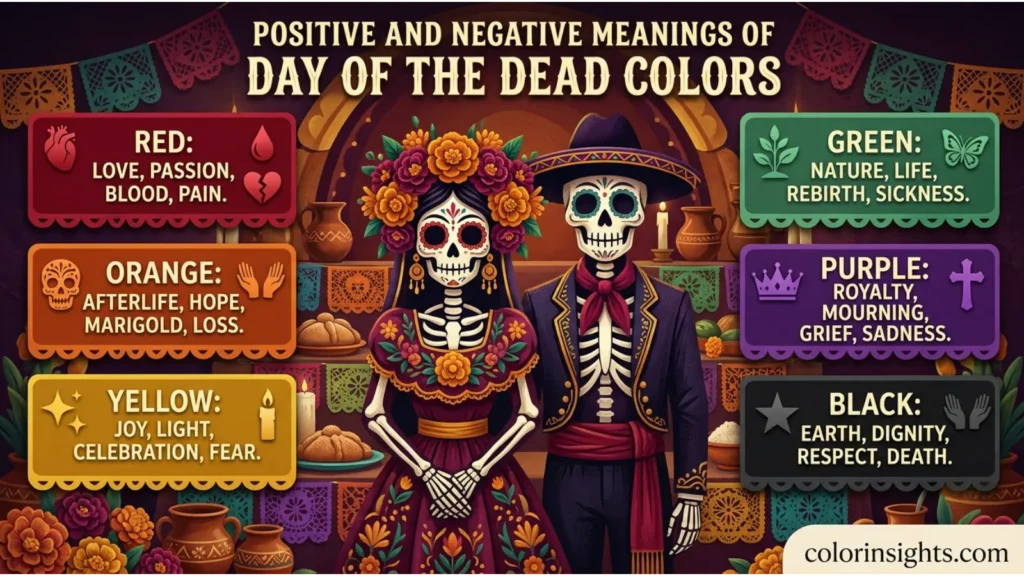
Positive Meanings
Although each color has its own symbolism, together they express many uplifting ideas.
Hope
Green decorations remind families that memories continue across generations.
Example:
Green papel picado often complements colorful altars celebrating family heritage.
Peace
White flowers and candles create a peaceful atmosphere for remembrance.
Example:
White candles are commonly placed on home altars to symbolize peaceful prayers.
Clarity
Bright marigolds create clear visual pathways believed to guide returning spirits.
Example:
Marigold petals are spread from doorways to family altars.
Harmony
The balanced use of warm and cool colors reflects harmony between life and death.
Example:
Purple and orange decorations frequently appear together.
Joy
Pink, yellow, and orange celebrate happy memories instead of focusing only on loss.
Example:
Colorful sugar skulls represent joyful remembrance.
Balance
The combination of vibrant and dark colors acknowledges both grief and celebration.
Freshness
Fresh flowers symbolize life’s continuous renewal.
Simplicity
Simple white decorations often express sincere remembrance without extravagance.
Negative Meanings
Certain colors may also represent more serious emotions depending on context.
Mourning
Purple and black acknowledge grief.
Example:
Purple ribbons or candles may appear during memorial services.
Isolation
Dark colors can remind individuals of personal loss.
Example:
Black decorative elements may encourage quiet reflection.
Emotional Distance
Minimal decoration may feel less celebratory in some settings.
Perfectionism
Highly elaborate altars sometimes create pressure to meet traditional expectations.
Coldness
An altar lacking warm colors may appear less welcoming.
Emptiness
Absent decorations may symbolize forgotten traditions.
Reflection on Mortality
Dark colors naturally encourage contemplation about life’s temporary nature.
These meanings are contextual rather than universally negative.
Meanings of the Day of the Dead Colors
The symbolism of Day of the Dead colors changes depending on where and how they are used. The same orange may represent marigold flowers during a festival, warmth in interior design, or optimism in branding.
Feng Shui
Although Día de los Muertos is not traditionally connected to Feng Shui, similar color principles can complement home design.
- Associated elements: Fire (orange, red), Earth (yellow), Wood (green), Water (blue), Metal (white)
- Energy symbolism: Balance between remembrance, vitality, and renewal
- Best rooms: Living rooms, meditation spaces, family rooms, and entryways
- Recommended color combinations: Orange and white, purple and gold, red and yellow, green and white
- Decorating tips: Use fresh flowers, candles, natural wood, and colorful textiles to create warmth without overwhelming the space.
Marketing
Many brands use colors commonly associated with Day of the Dead to create festive seasonal campaigns.
Branding psychology
- Orange attracts attention and communicates warmth.
- Yellow promotes happiness.
- Purple suggests creativity and spirituality.
- Red conveys passion and excitement.
Consumer perception
Consumers often associate these colors with celebration, authenticity, family traditions, and handcrafted products.
Trust signals
Natural floral imagery, traditional artwork, and authentic cultural storytelling increase credibility.
Packaging
Food, beverages, artisan crafts, cosmetics, and holiday decorations frequently feature colorful sugar skull designs.
Advertising applications
Seasonal promotions often combine floral patterns, marigolds, candles, and vibrant typography to celebrate Mexican heritage respectfully.
Examples of brands using colorful seasonal campaigns include:
- Coca-Cola
- Disney
- Starbucks
- Target
- Hallmark
Successful campaigns emphasize cultural appreciation rather than stereotypes.
Design
Designers frequently borrow inspiration from Day of the Dead color palettes.
Interior Design
- Accent walls
- Handmade ceramics
- Floral arrangements
- Colorful textiles
- Traditional folk art
Graphic Design
High-contrast color combinations improve visual impact for posters, invitations, and festival branding.
Web Design
Bright accent colors paired with neutral backgrounds create memorable user experiences.
User Experience
Color hierarchy helps users quickly identify calls to action while maintaining visual harmony.
Minimalist Aesthetics
Even minimalist designs may incorporate a single marigold-orange accent for warmth and cultural inspiration.
Fashion
Day of the Dead-inspired fashion celebrates cultural artistry.
Clothing symbolism
Embroidery, floral prints, and colorful accessories express remembrance and celebration.
Seasonal use
These colors become especially popular during autumn festivals.
Styling effects
Orange and purple create bold contrast, while white balances brighter tones.
Personality impressions
People wearing these colors often appear artistic, expressive, confident, and culturally engaged.
Advantages
- Highly expressive
- Memorable
- Festive
- Visually striking
Disadvantages
- Bright combinations may overwhelm formal settings.
- Cultural symbols should be worn respectfully rather than as costumes.
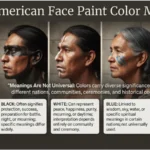
Color Associations Are Not Universal
Western Cultures
Many Americans traditionally associate black with mourning and white with purity. The colorful Day of the Dead celebration often surprises those unfamiliar with its joyful approach to remembrance.
Eastern Cultures
Several Asian cultures use white as the primary mourning color rather than black. This demonstrates how identical colors can carry different emotional meanings across societies.
Religious Traditions
Catholic symbolism influences purple, white, and candles, while Indigenous Mexican beliefs contribute floral symbolism, ancestor remembrance, and the celebration of life’s continuing cycle.
Historical Interpretations
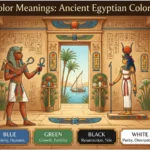
Ancient Indigenous communities viewed death as another stage of existence rather than a permanent ending. Over centuries, these beliefs blended with Catholic traditions to create today’s colorful celebration.
Modern Global Interpretations
Around the world, Day of the Dead colors have become symbols of cultural heritage, artistic expression, and remembrance. However, respectful understanding of their historical origins remains important.
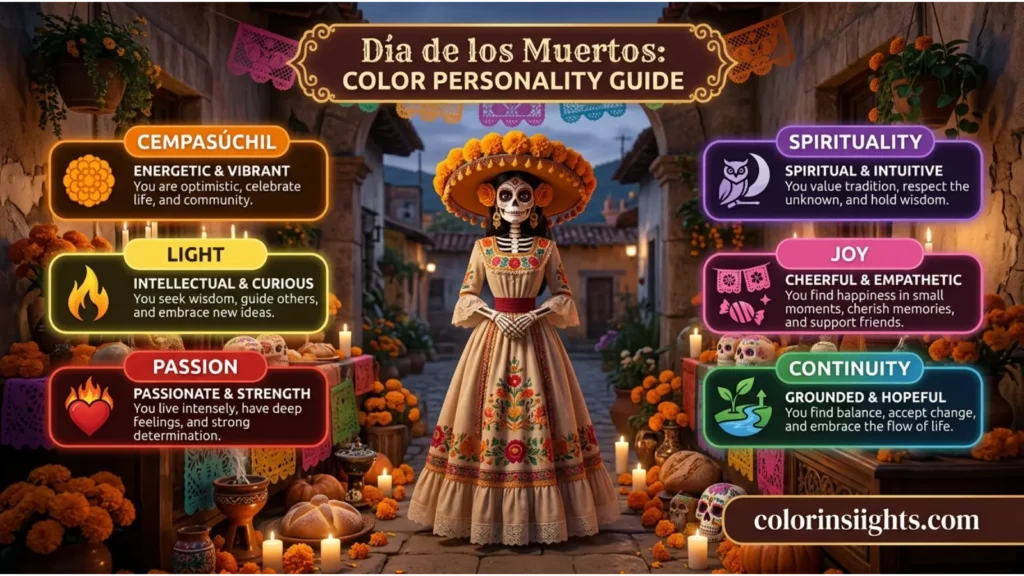
What Day of the Dead Colors Say About Your Personality
People attracted to Day of the Dead color palettes may share certain personality tendencies, although color preferences alone cannot accurately predict personality.
Strengths
- Creative
- Compassionate
- Family-oriented
- Optimistic
- Emotionally expressive
- Respectful of traditions
Weaknesses
- Sensitive
- Nostalgic
- Emotionally intense
- Occasionally idealistic
Social Behavior
They often enjoy community celebrations, storytelling, and maintaining close family relationships.
Work Style
They may thrive in artistic, educational, nonprofit, healthcare, hospitality, or cultural professions that encourage creativity and collaboration.
Relationships
These individuals frequently value loyalty, shared traditions, empathy, and meaningful emotional connections.
Emotional Tendencies
They often appreciate both joyful experiences and thoughtful reflection, balancing celebration with remembrance.
Remember that personality develops through genetics, upbringing, life experiences, education, and environment. Color preferences simply offer interesting insights rather than scientific proof of character.
FAQs
What defines Day of the Dead colors?
Day of the Dead colors are a symbolic collection of vibrant shades used during Día de los Muertos to honor deceased loved ones and celebrate life.
What do Day of the Dead colors symbolize?
They symbolize remembrance, love, hope, spirituality, family, renewal, and the enduring bond between generations.
Why are Day of the Dead colors important?
They communicate cultural traditions, guide spiritual symbolism, and transform mourning into joyful remembrance.
Are Day of the Dead colors warm or cool?
The palette includes both warm and cool colors, creating emotional balance and visual harmony.
What emotions do Day of the Dead colors represent?
They represent joy, gratitude, remembrance, hope, compassion, reflection, and emotional healing.
What is the spiritual meaning of Day of the Dead colors?
Spiritually, they symbolize guidance, protection, transformation, eternal love, renewal, and respect for ancestors.
Which colors pair well in Day of the Dead designs?
Orange, purple, white, yellow, green, red, pink, and black create balanced, meaningful combinations.
What do marigold colors represent?
Orange and yellow marigolds symbolize sunlight, remembrance, and guidance for returning spirits.
What do black and white represent during Día de los Muertos?
Black symbolizes death and mystery, while white represents purity, peace, and spiritual hope.
What does liking Day of the Dead colors say about a person?
People who enjoy these colors may appreciate creativity, family traditions, meaningful symbolism, and cultural expression, though color preference alone does not define personality.
Conclusion:
Day of the Dead color meanings celebrate far more than visual beauty. Together, orange, yellow, purple, white, red, green, blue, pink, and black express remembrance, love, spirituality, renewal, and the enduring connection between generations.
Their symbolism transforms grief into gratitude and encourages families to honor loved ones through joyful traditions rather than fear.
Whether used in cultural celebrations, design, fashion, or art, these colors continue to represent resilience, heritage, and the belief that cherished memories remain alive through remembrance and love.