Crystal Necklace Color Meanings combine personal style with the symbolism of natural gemstones. Across different cultures and spiritual traditions, people have associated crystal colors with emotions, personality traits, protection, healing, love, wisdom, and personal transformation.
Each gemstone color carries its own traditional meaning, making crystal jewelry a meaningful way to express individual beliefs and intentions. From the calming appearance of blue crystals to the passionate energy associated with red stones, color influences how people interpret these accessories.
Quick Answer:
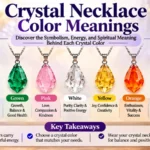
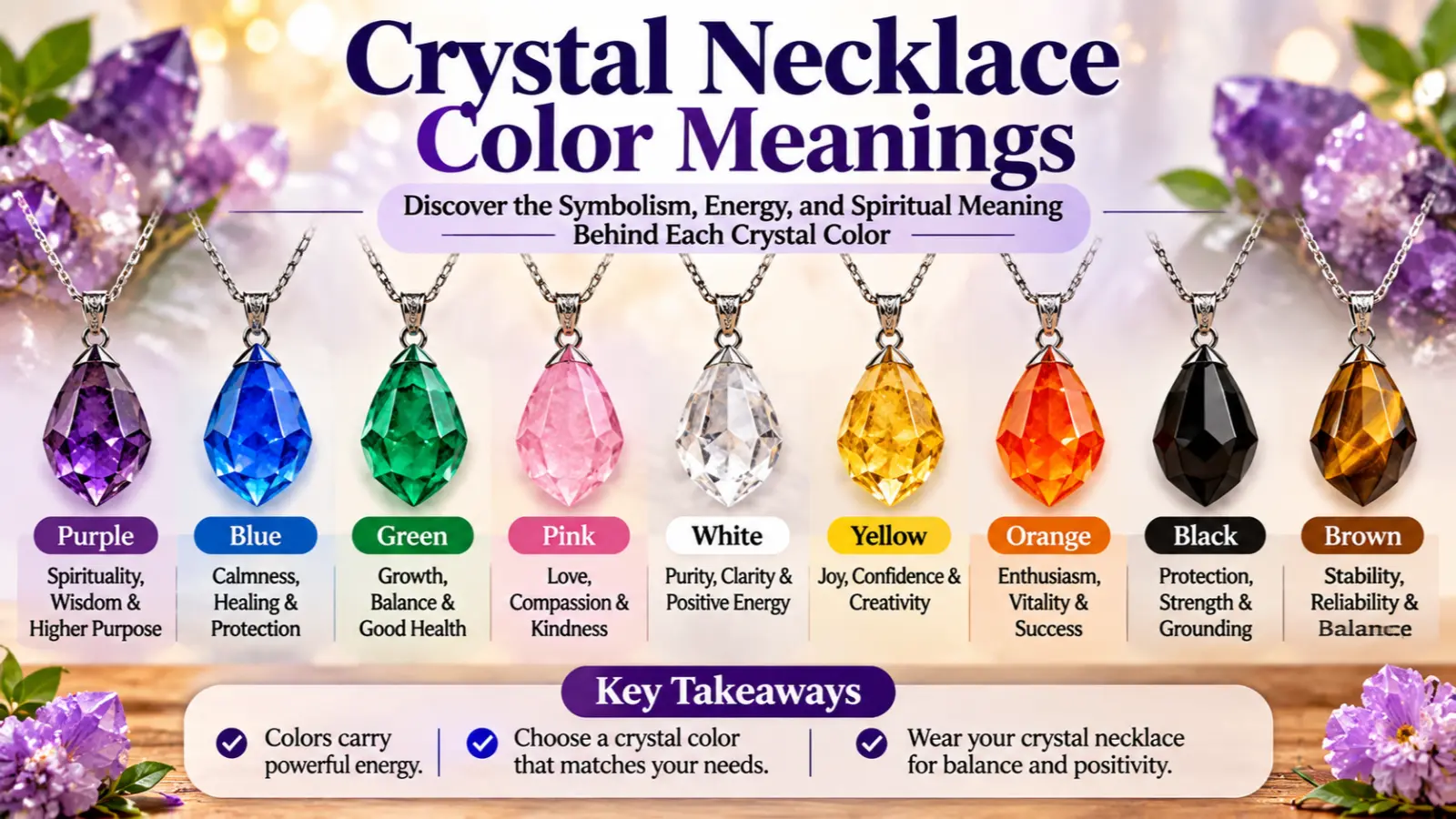
Crystal necklace color meanings vary by gemstone, but red commonly represents passion, pink symbolizes love, green suggests growth, blue represents peace, purple signifies wisdom, and clear crystals traditionally symbolize purity and clarity.
What Do Crystal Necklace Colors Symbolize?
Crystal necklace colors symbolize different emotions, spiritual intentions, and personal qualities. Many people choose gemstones according to their traditional associations, birthstone meanings, personal preferences, or the feelings they want their jewelry to represent.
Unlike ordinary fashion accessories, crystal necklaces often carry symbolic value for the person wearing them. A rose quartz necklace might represent affection, while an amethyst pendant may reflect a desire for wisdom and inner peace.
Here are some common crystal necklace color associations:
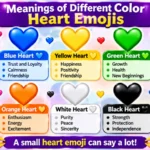
- Red: Passion, courage, confidence, strength, and vitality.
- Pink: Love, compassion, tenderness, and emotional connection.
- Orange: Creativity, enthusiasm, motivation, and joy.
- Yellow: Optimism, happiness, confidence, and intellectual energy.
- Green: Growth, renewal, prosperity, balance, and harmony.
- Blue: Peace, communication, trust, and emotional calmness.
- Purple: Wisdom, spirituality, intuition, and transformation.
- Black: Protection, grounding, independence, and strength.
- White and clear: Purity, clarity, simplicity, and new beginnings.
- Brown: Stability, reliability, connection with nature, and security.
These interpretations represent traditional symbolism and personal beliefs rather than scientifically established properties of gemstones.
Psychological Characteristics of Crystal Necklace Colors
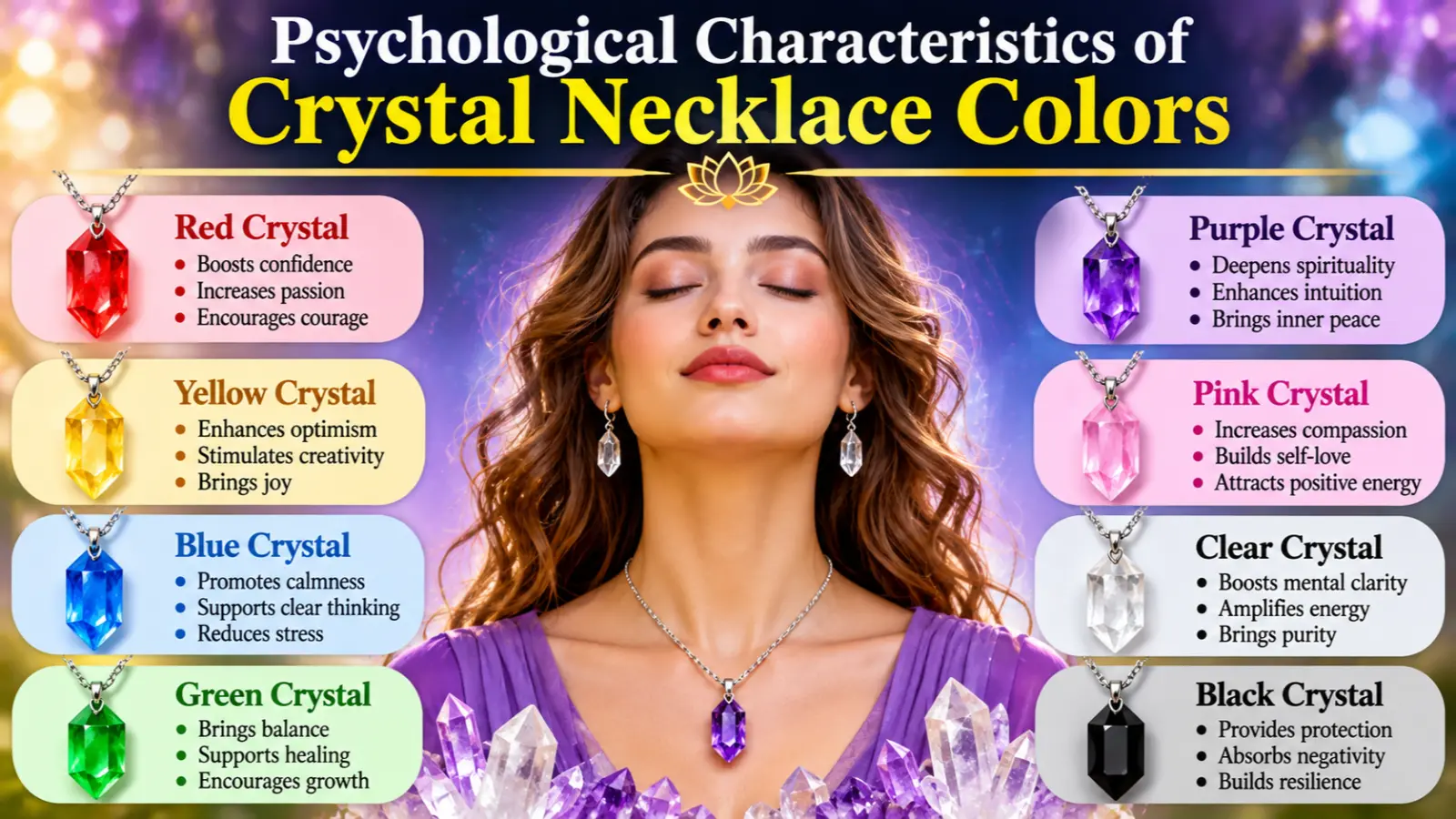
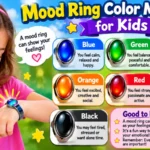
Color psychology examines how people perceive colors and how those perceptions relate to emotions, attention, and behavior. Although individual responses vary, crystal necklace colors can influence the impression jewelry creates.
The gemstone’s shade, transparency, brightness, and surrounding metal also contribute to its appearance.
Emotional Associations
Different crystal colors commonly create different emotional impressions:
- Red crystals often communicate excitement, courage, and passion.
- Pink crystals suggest warmth, affection, and emotional sensitivity.
- Orange crystals create associations with enthusiasm, creativity, and friendliness.
- Yellow crystals communicate optimism, happiness, and mental energy.
- Green crystals suggest balance, renewal, and natural harmony.
- Blue crystals create impressions of calmness, trust, and reliability.
- Purple crystals suggest imagination, mystery, and sophistication.
- Black crystals communicate elegance, confidence, and independence.
- White crystals create impressions of simplicity, cleanliness, and freshness.
Psychological Effects
Crystal necklace colors can influence visual impressions and personal expression.
For example, someone wearing a blue aquamarine pendant may create a calm and approachable impression. A red garnet necklace may communicate confidence and boldness, while a green aventurine pendant can create associations with nature and renewal.
The effects depend on personal experiences, cultural background, and individual color preferences.
Positive Emotional Responses
People may associate crystal necklace colors with:
- Confidence and self-expression.
- Emotional comfort and reassurance.
- Love and personal connection.
- Hope and optimism.
- Creativity and inspiration.
- Balance and relaxation.
- Spiritual reflection.
- A sense of individuality.
Negative Emotional Responses
Certain shades can also create less positive impressions:
- Very dark crystals may appear mysterious or intimidating.
- Bright red stones can seem visually overwhelming.
- Pale or colorless crystals may appear cold or understated.
- Intense yellow crystals may feel overly stimulating.
- Dark purple stones may communicate sadness or mystery in certain contexts.
These reactions do not apply universally.
Impact on Mood and Behavior
Wearing a meaningful crystal necklace can serve as a personal reminder of a goal, relationship, or positive intention. For example, someone might wear rose quartz as a reminder to practice compassion or amethyst as a symbol of mindfulness.
The emotional benefit may come from personal meaning, memory, and self-expression rather than a measurable effect produced by the gemstone itself.
Spiritual Meaning of Crystal Necklace Colors
Crystal necklaces hold spiritual significance in many contemporary spiritual practices and traditional belief systems. People often select gemstones according to their symbolic associations with protection, wisdom, emotional balance, and personal growth.
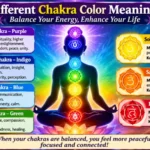
Crystal healing traditions sometimes connect specific stones with energy centers or chakras. However, scientific research has not established that crystals independently heal illnesses, remove negative energy, or provide supernatural protection.
Common spiritual interpretations include:
- Holiness: Clear quartz and white stones traditionally symbolize spiritual purity, sacred intentions, and connection with higher consciousness.
- Wisdom: Amethyst and purple fluorite represent knowledge, intuition, reflection, and spiritual understanding.
- Purity: White moonstone, selenite, and clear quartz symbolize innocence, clarity, and peaceful intentions.
- Transformation: Labradorite and purple amethyst represent personal change, self-discovery, and new perspectives.
- Healing: Green aventurine and rose quartz traditionally symbolize emotional renewal, compassion, and restoration.
- Protection: Black tourmaline, obsidian, and tiger’s eye are commonly associated with spiritual protection and grounding.
- Power: Red jasper, garnet, and tiger’s eye symbolize courage, determination, and personal strength.
- Enlightenment: Amethyst and clear quartz represent awareness, meditation, and spiritual exploration.
- New beginnings: Moonstone, clear quartz, and green aventurine symbolize fresh opportunities and personal renewal.
- Eternity: Clear quartz and certain white gemstones represent continuity, timelessness, and enduring spiritual connection.
The spiritual meaning of a necklace often depends on the wearer’s beliefs and the tradition behind the gemstone.
Positive and Negative Meanings of Crystal Necklace Colors
Crystal necklace colors can communicate positive qualities, but their symbolism may also have less favorable interpretations. Context, gemstone shade, cultural traditions, and personal associations influence these meanings.
Positive Meanings
1. Purity
Clear quartz, white agate, and white moonstone symbolize purity and sincerity. A clear crystal necklace can represent honest intentions, simplicity, and spiritual clarity.
Example: Someone might choose a white crystal pendant for a wedding or meaningful personal celebration.
2. Peace
Blue lace agate, aquamarine, and blue chalcedony traditionally represent tranquility and emotional calmness.
Example: A person may wear a pale blue necklace as a reminder to approach stressful situations calmly.
3. Simplicity
Clear and pale-colored crystals complement minimalist fashion. Their understated appearance communicates elegance without excessive decoration.
Example: A small clear quartz pendant pairs naturally with everyday clothing.
4. Clarity
Clear quartz and fluorite symbolize clear thinking, concentration, and better understanding.
Example: Students and professionals may choose these stones as symbolic reminders of their learning and career goals.
5. Freshness
Green aventurine and pale green jade suggest renewal, growth, and a connection with nature.
Example: A green crystal necklace can complement spring outfits and nature-inspired accessories.
6. Hope
Yellow citrine and green aventurine traditionally represent optimism, opportunity, and positive expectations.
Example: Someone starting a new career might wear a citrine pendant as a personal symbol of hope.
7. Balance
Amethyst, green jade, and blue agate commonly represent emotional balance and harmony.
Example: A person may select a multicolored crystal necklace to represent balance between different aspects of life.
8. Harmony
Pink quartz, green jade, and blue gemstones symbolize affection, cooperation, and peaceful relationships.
Example: Matching crystal necklaces can represent friendship, family connection, or shared values.
Negative Meanings
Although crystal colors often carry positive associations, some traditional interpretations include negative symbolism.
1. Emptiness
Colorless or very pale crystals can sometimes symbolize emptiness or a lack of emotional warmth.
Real-world example: An entirely white jewelry display may appear too plain to shoppers who prefer colorful accessories.
2. Isolation
Dark blue and black crystals can suggest solitude, mystery, or emotional distance.
Real-world example: An outfit featuring only dark gemstones may create a reserved or serious appearance.
3. Coldness
Icy blue and silver-toned crystals sometimes communicate emotional coolness or detachment.
Real-world example: A pale blue crystal necklace paired with an entirely cool-toned outfit may create a distant visual impression.
4. Sterility
Extremely white or transparent stones can create associations with clinical environments and excessive cleanliness.
Real-world example: A jewelry design featuring only white stones and silver metal may appear more clinical than warm or romantic.
5. Boredom
Neutral-colored crystals may appear repetitive when a design lacks contrast or variation.
Real-world example: A necklace featuring identical pale stones without decorative details may seem visually uninteresting.
6. Emotional Distance
Dark purple, gray, and black gemstones sometimes communicate privacy, seriousness, or emotional reserve.
Real-world example: A person wearing predominantly dark crystal jewelry may create a formal rather than approachable impression.
7. Perfectionism
Clear quartz and perfectly symmetrical crystal arrangements can symbolize precision and order. In certain interpretations, these qualities may suggest unrealistic expectations or excessive attention to detail.
Real-world example: A jewelry collection containing only perfectly matched stones may communicate a preference for control and uniformity.
These negative interpretations are symbolic possibilities, not fixed characteristics of the gemstones or people who wear them.
Meanings of Crystal Necklace Colors
Crystal necklace meanings depend on more than color alone. The mineral, gemstone variety, transparency, cultural background, spiritual tradition, and jewelry design all contribute to its interpretation.
For example, green aventurine and green jade share associations with prosperity and growth, but their individual histories and traditional meanings differ.
Red Crystal Necklaces
<PRIVATE_PERSON>
Red crystals traditionally symbolize passion, courage, strength, and vitality.
Popular red gemstones include:
- Garnet: Love, commitment, passion, and determination.
- Red jasper: Stability, endurance, and grounding.
- Ruby: Wealth, vitality, courage, and romantic devotion.
- Carnelian: Motivation, creativity, and confidence.
Red crystal necklaces work particularly well as statement accessories. They complement neutral outfits and create a bold appearance.
Pink Crystal Necklaces
<PRIVATE_PERSON>
Pink crystals represent affection, kindness, compassion, and emotional connection.
Popular pink gemstones include:
- Rose quartz: Unconditional love, compassion, and emotional warmth.
- Rhodonite: Forgiveness, emotional understanding, and compassion.
- Pink tourmaline: Affection, emotional expression, and tenderness.
- Pink opal: Peacefulness, sensitivity, and emotional comfort.
Pink crystal necklaces are popular choices for romantic gifts, friendship jewelry, and meaningful everyday accessories.
Orange Crystal Necklaces
Orange crystals symbolize creativity, enthusiasm, happiness, and personal motivation.
Popular orange gemstones include:
- Carnelian: Courage, motivation, and creativity.
- Orange calcite: Optimism, enthusiasm, and positive energy.
- Sunstone: Confidence, independence, and personal expression.
- Fire opal: Passion, inspiration, and vitality.
Orange crystal necklaces complement warm clothing colors and work particularly well with autumn-inspired fashion.
Yellow Crystal Necklaces
Yellow gemstones traditionally represent happiness, intelligence, optimism, and prosperity.
Popular yellow crystals include:
- Citrine: Abundance, confidence, and success.
- Yellow jasper: Stability, positivity, and determination.
- Yellow calcite: Happiness, motivation, and mental clarity.
- Amber: Warmth, protection, and connection with nature.
A citrine necklace makes a meaningful gift for someone beginning a new project, celebrating a career achievement, or pursuing personal goals.
Green Crystal Necklaces
Green crystals symbolize growth, renewal, prosperity, and balance.
Popular green gemstones include:
- Green aventurine: Opportunity, luck, and prosperity.
- Jade: Harmony, wisdom, longevity, and good fortune.
- Emerald: Love, renewal, loyalty, and abundance.
- Malachite: Transformation, confidence, and personal development.
- Moss agate: Nature, patience, and growth.
Green crystal necklaces complement earthy clothing, natural fabrics, and gold jewelry.
Blue Crystal Necklaces
Blue crystals commonly symbolize peace, communication, trust, and emotional calmness.
Popular blue gemstones include:
- Aquamarine: Courage, clarity, and tranquility.
- Lapis lazuli: Wisdom, truth, and intellectual development.
- Blue lace agate: Peaceful communication and emotional calmness.
- Turquoise: Protection, friendship, and good fortune.
- Blue apatite: Motivation, inspiration, and personal expression.
Blue crystal necklaces work well with white, gray, navy, and neutral clothing.
Purple Crystal Necklaces
Purple crystals traditionally symbolize wisdom, spirituality, imagination, and intuition.
Popular purple gemstones include:
- Amethyst: Spiritual awareness, peace, and wisdom.
- Purple fluorite: Concentration, clarity, and learning.
- Lepidolite: Emotional balance and calmness.
- Sugilite: Spirituality, compassion, and personal transformation.
Amethyst necklaces are especially popular in meditation-inspired jewelry and elegant evening accessories.
Black Crystal Necklaces
Black crystals represent protection, strength, grounding, and independence.
Popular black gemstones include:
- Black tourmaline: Protection and grounding.
- Obsidian: Self-reflection, strength, and protection.
- Onyx: Discipline, confidence, and resilience.
- Black spinel: Strength, determination, and sophistication.
Black crystal necklaces create a timeless appearance and pair easily with formal and casual clothing.
White and Clear Crystal Necklaces
White and transparent gemstones symbolize purity, clarity, peace, and spiritual awareness.
Popular varieties include:
- Clear quartz: Clarity, simplicity, and intention.
- White moonstone: New beginnings, intuition, and emotional reflection.
- Selenite: Purity, peace, and spiritual symbolism.
- White agate: Stability, harmony, and simplicity.
- Howlite: Patience, calmness, and reflection.
These necklaces suit minimalist jewelry styles and work beautifully with silver, gold, and neutral clothing.
Brown Crystal Necklaces
Brown crystals symbolize stability, practicality, security, and a connection with nature.
Popular gemstones include:
- Tiger’s eye: Courage, confidence, and protection.
- Smoky quartz: Grounding, resilience, and stability.
- Brown jasper: Endurance, patience, and reliability.
- Petrified wood: Connection with nature, longevity, and transformation.
Brown crystal necklaces complement earthy outfits and rustic jewelry designs.
Feng Shui
In Feng Shui, colors connect with the five-element system: Wood, Fire, Earth, Metal, and Water. Crystal necklace colors can symbolically reflect these elements.
- Red and orange: Fire element, representing passion, visibility, and enthusiasm.
- Green: Wood element, associated with growth, renewal, and vitality.
- Yellow and brown: Earth element, symbolizing stability, nourishment, and balance.
- White and clear: Metal element, representing clarity, organization, and refinement.
- Black and dark blue: Water element, associated with wisdom, reflection, and adaptability.
Best rooms: Red and orange decorative crystals can add warmth to social spaces. Green gemstones complement living rooms and workspaces. Blue and black tones suit peaceful environments, while white and clear crystals fit minimalist bedrooms.
Recommended combinations: Green and brown create an earthy appearance, blue and white suggest tranquility, and red and gold communicate warmth and luxury.
Decorating tips: Display crystal jewelry on natural wood, neutral fabrics, or simple jewelry stands. Choose combinations that complement the room rather than relying on color symbolism alone.
Feng Shui practices vary, so these associations should be understood as traditional interpretations rather than universal rules.
Marketing
Crystal necklace colors play an important role in jewelry branding, product presentation, and consumer perception.
Branding psychology: Jewelry brands use color to communicate luxury, romance, spirituality, natural beauty, or individuality.
Consumer perception: Pink gemstones often appeal to shoppers looking for romantic gifts, while black and dark-colored crystals can attract customers interested in contemporary and sophisticated designs.
Trust signals: Clear product photographs, accurate gemstone descriptions, transparent sourcing information, and genuine customer reviews build consumer trust. A gemstone’s color alone does not establish product quality.
Product packaging: White, cream, and pastel packaging creates a delicate appearance. Black packaging communicates luxury, while green packaging can suggest nature-inspired products.
Advertising applications: Jewelry marketers often use rose quartz for Valentine’s Day promotions, emerald-colored gemstones for luxury collections, and turquoise jewelry for summer campaigns.
Examples of recognizable jewelry brands include:
- <PRIVATE_PERSON> Tiffany & Co., known for its signature blue packaging and luxury jewelry presentation.
- <PRIVATE_PERSON> Pandora, which offers colorful gemstone-inspired and personalized jewelry.
- <PRIVATE_PERSON> Swarovski, known for crystal jewelry and decorative designs.
- <PRIVATE_PERSON> Cartier, associated with luxury gemstones, precious metals, and elegant jewelry.
These brands use different visual identities and product colors rather than relying on one universal crystal color.
Design
Crystal necklace design combines gemstone color, shape, transparency, texture, and metal settings.
Interior design: Crystal necklaces can serve as decorative objects when displayed on wooden stands, glass trays, or minimalist jewelry holders. Green and brown stones complement natural interiors, while clear crystals suit contemporary spaces.
Graphic design: Jewelry advertisements often use contrasting backgrounds to emphasize gemstone color. Dark backgrounds highlight transparent and bright stones, while pale backgrounds complement dark gemstones.
Web design: Online jewelry stores frequently use white or neutral backgrounds to present gemstone colors accurately. Consistent product photography helps shoppers compare different varieties.
User experience: Clear category labels, accurate stone descriptions, detailed photographs, and accessible navigation help customers choose suitable crystal necklaces.
Minimalist aesthetics: Small gemstone pendants, delicate chains, and simple settings create understated designs. Clear quartz, aquamarine, and rose quartz work particularly well in minimalist jewelry.
Fashion
Crystal necklace colors influence styling, personal expression, and the overall impression of an outfit.
Clothing symbolism: Red gemstones suggest boldness, pink stones communicate romance, green crystals create natural impressions, and black gemstones offer sophistication.
Seasonal use: Warm-colored crystals such as carnelian, citrine, and garnet complement autumn and winter clothing. Aquamarine, turquoise, and rose quartz suit spring and summer outfits.
Styling effects: A large red pendant can become the focal point of an outfit, while a delicate clear quartz necklace adds subtle detail. Layered gemstone necklaces create a more expressive appearance.
Personality impressions: People may interpret colorful crystal jewelry as creative and expressive. Neutral gemstone accessories can suggest simplicity, while dark stones often communicate confidence and individuality.
Advantages:
- Crystal necklaces offer many colors and styles.
- Different gemstones provide opportunities for personal expression.
- They complement casual, professional, and formal outfits.
- Their symbolic meanings can make them thoughtful gifts.
- Many designs work well with layered jewelry.
Disadvantages:
- Some natural gemstones require careful handling.
- Certain stones can scratch, chip, or fade.
- High-quality natural gemstones may cost more.
- Dyed or treated stones may differ from their advertised appearance.
- Some symbolic meanings may not match the wearer’s cultural beliefs.
Practical styling examples:
- Wear rose quartz with a cream dress for a soft, romantic appearance.
- Pair a turquoise pendant with white clothing for a fresh summer look.
- Combine garnet jewelry with black eveningwear for a dramatic effect.
- Style green aventurine with beige or brown clothing for a natural appearance.
- Choose an amethyst pendant with silver jewelry for an elegant combination.
Color Associations Are Not Universal
Crystal necklace meanings differ across cultures, religions, historical periods, and modern spiritual practices. A gemstone that represents protection in one tradition may symbolize prosperity or social status in another.
Western Cultures
In many Western fashion and spiritual contexts, rose quartz represents love, amethyst symbolizes spirituality, and turquoise suggests protection and good fortune.
Red gemstones often communicate romance and passion, while diamond and clear crystal jewelry commonly represent elegance, purity, and celebration.
Birthstone traditions also influence gemstone choices. For example, garnet traditionally represents January, amethyst February, aquamarine March, and emerald May.
Eastern Cultures
Eastern gemstone traditions include diverse beliefs about color, minerals, and spiritual symbolism.
In Chinese cultural traditions, jade has a long association with virtue, harmony, longevity, and good fortune. Red commonly represents celebration, prosperity, and happiness.
In parts of South Asia, gemstones have connections with astrology and traditional beliefs. People may select particular stones according to astrological systems, family traditions, or personal preferences.
However, interpretations vary considerably across countries and communities.
Religious Traditions
Religious traditions sometimes associate gemstones and colors with spiritual ideas.
In Hindu traditions, certain gemstones appear in astrological practices, including traditions involving the nine planetary gemstones, or Navaratna.
In Christianity, precious stones appear in biblical descriptions of sacred objects and symbolic imagery. Their interpretations vary across denominations and historical periods.
In Buddhism, gemstones may symbolize wisdom, compassion, spiritual qualities, or the richness of enlightened understanding.
These associations should not be treated as identical across all religious communities.
Historical Interpretations
Throughout history, people have used gemstones as jewelry, status symbols, ceremonial objects, and protective amulets.
Ancient Egyptians valued turquoise, lapis lazuli, and carnelian for their beauty and symbolic associations. Ancient Roman and Greek societies also used gemstone jewelry to express wealth, identity, and beliefs about protection.
During different historical periods, purple gemstones and precious stones often communicated wealth, authority, and social distinction.
These historical uses helped establish many gemstone associations that continue in modern jewelry.
Modern Global Interpretations
Today, crystal necklace meanings combine traditional symbolism, fashion trends, wellness culture, and individual beliefs.
Rose quartz has become particularly recognizable in modern self-love and relationship symbolism. Amethyst remains popular in meditation-inspired jewelry, while black tourmaline and obsidian frequently appear in contemporary crystal-protection practices.
Social media, online jewelry stores, and global fashion trends have also introduced gemstone meanings to wider audiences.
Modern interpretations are flexible. People can choose crystals because they appreciate their appearance, value their cultural history, or connect with their symbolic meanings.
What Crystal Necklace Colors Say About Your Personality
People sometimes associate gemstone preferences with personality traits, although color choices cannot reliably determine someone’s character.
A person’s favorite crystal color may reflect their aesthetic preferences, memories, cultural background, or current interests.
Red Crystal Lovers
People who prefer red crystal necklaces may appreciate bold designs, energetic colors, and expressive fashion.
Common symbolic traits include:
- Confidence and courage.
- Passion and determination.
- Independence and ambition.
- Strong emotional expression.
Potential challenges may include impatience or a preference for attention.
Pink Crystal Lovers
Pink gemstone enthusiasts often connect with symbolism involving love, kindness, and emotional connection.
Associated characteristics include:
- Compassion and sensitivity.
- Romantic expression.
- Friendliness and affection.
- Interest in meaningful relationships.
However, emotional sensitivity can sometimes make personal boundaries difficult to maintain.
Orange and Yellow Crystal Lovers
People attracted to orange and yellow gemstones may enjoy optimism, creativity, and lively self-expression.
Common associations include:
- Enthusiasm and curiosity.
- Confidence and motivation.
- Social communication.
- Creative thinking.
A possible challenge involves becoming overly enthusiastic or taking on too many activities.
Green Crystal Lovers
Green crystal preferences often symbolize balance, growth, and harmony.
Associated personality characteristics include:
- Patience and practicality.
- Interest in nature.
- Reliability and stability.
- Desire for personal development.
Some traditional interpretations also connect green gemstone preferences with an interest in financial security.
Blue Crystal Lovers
People who prefer blue crystal necklaces may appreciate peaceful environments and thoughtful communication.
Symbolic characteristics include:
- Reliability and trustworthiness.
- Patience and reflection.
- Calm communication.
- Emotional awareness.
A possible weakness involves avoiding confrontation or keeping feelings private.
Purple Crystal Lovers
Purple gemstone enthusiasts often appreciate creativity, individuality, and spiritual symbolism.
Common associations include:
- Imagination and curiosity.
- Interest in self-discovery.
- Intuition and reflection.
- Appreciation for artistic expression.
However, a strong preference for introspection may sometimes encourage excessive overthinking.
Black Crystal Lovers
People who choose black crystal necklaces may appreciate confidence, elegance, and individuality.
Common symbolic characteristics include:
- Independence.
- Determination.
- Practical thinking.
- Personal boundaries.
- Appreciation for minimalist fashion.
Some people may interpret this style as reserved or emotionally distant.
White and Clear Crystal Lovers
People who prefer clear or white crystals may appreciate simplicity, organization, and understated elegance.
Traditional personality associations include:
- Clarity and honesty.
- Preference for simplicity.
- Thoughtful decision-making.
- Interest in balance and order.
However, excessive perfectionism can sometimes create unnecessary pressure.
Brown Crystal Lovers
Brown gemstone enthusiasts may appreciate nature-inspired fashion and practical accessories.
Symbolic characteristics include:
- Reliability.
- Patience.
- Stability.
- Grounded thinking.
- Appreciation for tradition.
These personality associations remain symbolic rather than scientifically validated assessments. A person’s crystal necklace preferences cannot establish their strengths, weaknesses, social behavior, work style, or relationship patterns.
Frequently Asked Questions
1. What are crystal necklace color meanings?
Crystal necklace color meanings describe the traditional symbolism associated with different gemstone colors. Red often represents passion, pink symbolizes love, green suggests growth, blue represents peace, purple signifies wisdom, and black symbolizes protection and grounding.
2. What does a crystal necklace symbolize?
A crystal necklace can symbolize love, protection, personal strength, spirituality, emotional connection, or individual identity. Its meaning depends on the gemstone, color, cultural background, and personal intentions of the wearer.
3. Which crystal necklace color represents love?
Pink crystals, particularly rose quartz, commonly symbolize love, affection, compassion, and emotional connection. Red gemstones such as garnet and ruby also represent romantic passion and commitment.
4. What crystal necklace color represents protection?
Black tourmaline and black obsidian traditionally symbolize protection, grounding, and resilience. Turquoise also has a long history of protective symbolism in several cultural traditions.
5. What is the spiritual meaning of crystal necklace colors?
The spiritual meaning of crystal necklace colors varies by gemstone and belief system. Purple often symbolizes wisdom, white represents purity, green suggests renewal, blue represents peace, and black symbolizes protection.
6. Which crystal necklace color represents good luck?
Green aventurine is commonly associated with luck, opportunity, and prosperity. Jade also has strong traditional associations with good fortune, harmony, and abundance, particularly in Chinese cultural traditions.
7. What crystal necklace color represents healing?
Green and pink crystals commonly symbolize emotional renewal, compassion, and restoration. Green aventurine and rose quartz are especially popular in contemporary crystal-healing traditions. However, scientific evidence does not establish that these stones treat medical conditions.
8. What is the best crystal necklace color for everyday wear?
Clear quartz, rose quartz, aquamarine, and black onyx are versatile choices for everyday jewelry. Their colors complement many clothing styles, and their traditional symbolism offers different options for personal expression.
9. Can crystal necklace colors affect your mood?
Crystal colors can influence visual impressions and personal associations. For example, blue may create a calming impression, while red may appear energetic. However, there is no established scientific evidence that wearing a particular gemstone produces specific emotional or healing effects.
10. What crystal necklace color should I choose as a gift?
Choose a gemstone according to the recipient’s preferences and the occasion. Rose quartz suits romantic and friendship gifts, amethyst makes a meaningful choice for someone interested in spiritual symbolism, and green aventurine can represent growth and new opportunities.
11. Do different crystal necklace colors have different meanings?
Yes. Different crystal colors carry different traditional interpretations. Pink often represents love, yellow suggests optimism, blue symbolizes peace, purple represents wisdom, and brown communicates stability. Individual gemstones can also have meanings beyond their colors.
12. What does wearing multiple crystal necklace colors mean?
Wearing several crystal colors can represent different intentions, personal values, or aesthetic preferences. For example, combining rose quartz, amethyst, and green aventurine may symbolize love, wisdom, and growth. There is no universal rule governing multicolored crystal jewelry.
Conclusion
Crystal necklace color meanings combine gemstone traditions, cultural symbolism, personal beliefs, and fashion expression. Each color offers a different interpretation, from the passion associated with red crystals to the love represented by pink stones, the prosperity connected with green gemstones, and the peace symbolized by blue crystals. Purple, black, white, and brown gemstones also offer meaningful associations with wisdom, protection, purity, and stability. Whether you choose rose quartz for its romantic symbolism, amethyst for its spiritual associations, or turquoise for its distinctive appearance, the best crystal necklace reflects your personal style and intentions. Understanding these meanings can help you select jewelry that feels both beautiful and personally significant.