Mood Ring Color Meanings Kids are fascinating accessories that change color throughout the day. Children often enjoy watching their rings turn blue, green, purple, yellow, or black and discovering what each shade might mean. Mood ring color meanings for kids offer a fun way to explore emotions, colors, and self-expression.
Each color traditionally represents a different feeling, such as happiness, calmness, excitement, or nervousness. However, mood rings do not actually read thoughts or detect emotions. They respond to changes in skin temperature.
Quick answer:
Mood ring colors provide playful clues about feelings, but they cannot scientifically tell children exactly what they feel.
What Do Mood Ring Colors Symbolize?
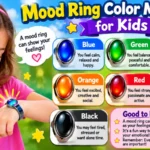
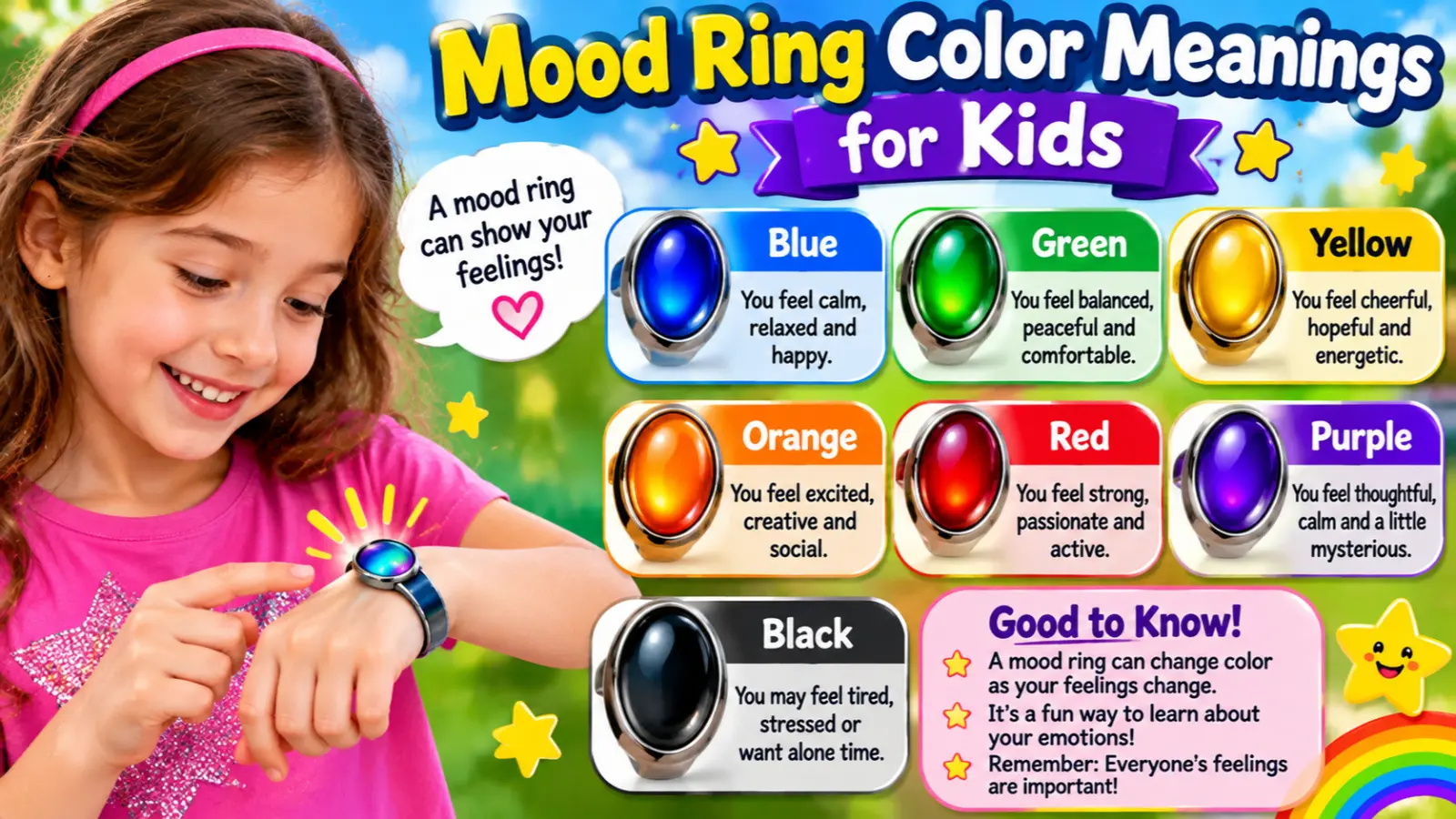
Mood ring colors traditionally symbolize different emotional states. Each shade has a popular interpretation that helps children connect colors with feelings.
For kids, these meanings can make learning about emotions more interesting:
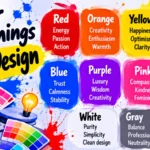
- Blue: Calmness, happiness, and relaxation.
- Green: Balance, comfort, and normal moods.
- Purple: Excitement, imagination, and affection.
- Pink: Love, kindness, and warmth.
- Yellow: Curiosity, nervousness, and energy.
- Orange: Enthusiasm, creativity, and excitement.
- Red: Passion, confidence, and strong feelings.
- Brown: Uncertainty, tension, or restlessness.
- Gray: Tiredness, worry, or emotional uncertainty.
- Black: Cold fingers, stress, or an inactive mood ring.
These interpretations are traditional rather than scientifically proven emotional readings. Different manufacturers may use different color charts.
Psychological Characteristics of Mood Ring Colors
Color psychology explores how colors influence human feelings, thoughts, and behavior. Mood rings introduce children to this subject through simple and colorful examples.
Emotional Associations
Children can use traditional mood ring meanings to discuss their emotions:
- Blue represents peaceful and relaxed feelings.
- Green represents balance and comfort.
- Purple suggests imagination and excitement.
- Pink symbolizes affection and friendliness.
- Yellow represents curiosity and alertness.
- Orange suggests enthusiasm and playfulness.
- Red represents strong emotions and energy.
- Black may symbolize tension or uncertainty in traditional charts.
Psychological Effects
Colors can influence how people interpret their surroundings. Bright colors often attract attention, while softer shades may create a gentle impression.
Mood rings can encourage children to recognize different emotional experiences. For example, a child might connect blue with a relaxing afternoon or red with an exciting game.
However, a ring cannot identify a child’s actual emotional state. Conversations, self-awareness, and emotional expression provide much better ways to understand feelings.
Positive Emotional Responses
Some traditional mood ring colors represent pleasant emotions:
- Happiness and relaxation.
- Friendship and affection.
- Confidence and excitement.
- Creativity and imagination.
- Peacefulness and comfort.
Negative Emotional Responses
Other colors traditionally represent uncomfortable feelings:
- Nervousness and uncertainty.
- Frustration and tension.
- Worry and restlessness.
- Emotional tiredness.
- Discomfort and stress.
Children should understand that experiencing uncomfortable emotions is completely normal. Every feeling deserves attention and understanding.
Impact on Mood and Behavior
Mood rings can encourage children to talk about their emotions. A child might notice a purple ring and associate it with excitement, or see a blue ring and think about peaceful activities.
Parents and teachers can use this curiosity to introduce emotional vocabulary. For example, they can ask children whether they feel happy, worried, excited, disappointed, or relaxed.
The ring should serve as a conversation starter, not an emotional test.
Spiritual Meaning of Mood Ring Colors
Mood rings do not have a universal religious or spiritual meaning. However, traditional color symbolism can help children explore ideas such as kindness, peace, wisdom, hope, and personal growth.
Here are some common symbolic interpretations:
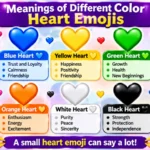
- Blue – Peace: Represents calmness, trust, patience, and peaceful thoughts.
- Green – Balance: Symbolizes harmony, nature, growth, and emotional balance.
- Purple – Wisdom: Represents imagination, creativity, mystery, and spiritual awareness.
- Pink – Love: Symbolizes friendship, affection, kindness, and compassion.
- Yellow – Happiness: Represents sunshine, optimism, curiosity, and hope.
- Orange – Creativity: Symbolizes enthusiasm, adventure, and positive energy.
- Red – Strength: Represents courage, confidence, passion, and determination.
- White – Purity: Symbolizes innocence, simplicity, and new beginnings.
- Black – Protection: Can represent mystery, strength, and protection in some symbolic traditions.
Spiritual Lessons Children Can Learn
Mood ring colors can introduce children to positive ideas:
- Holiness: White may symbolize purity and goodness in some religious traditions.
- Wisdom: Purple often represents thoughtful learning and spiritual understanding.
- Purity: White and light pink can symbolize innocence and kindness.
- Transformation: Green can represent personal growth and positive change.
- Healing: Green and blue often symbolize peace, comfort, and renewal.
- Protection: Dark colors may represent strength and security.
- Power: Red can symbolize courage and determination.
- Enlightenment: Yellow and purple can represent knowledge and awareness.
- New beginnings: Green and white can symbolize fresh starts.
- Eternity: Blue may represent the endless sky and ocean.
These are cultural and symbolic associations, not scientific or universal spiritual rules.
Positive and Negative Meanings of Mood Ring Colors
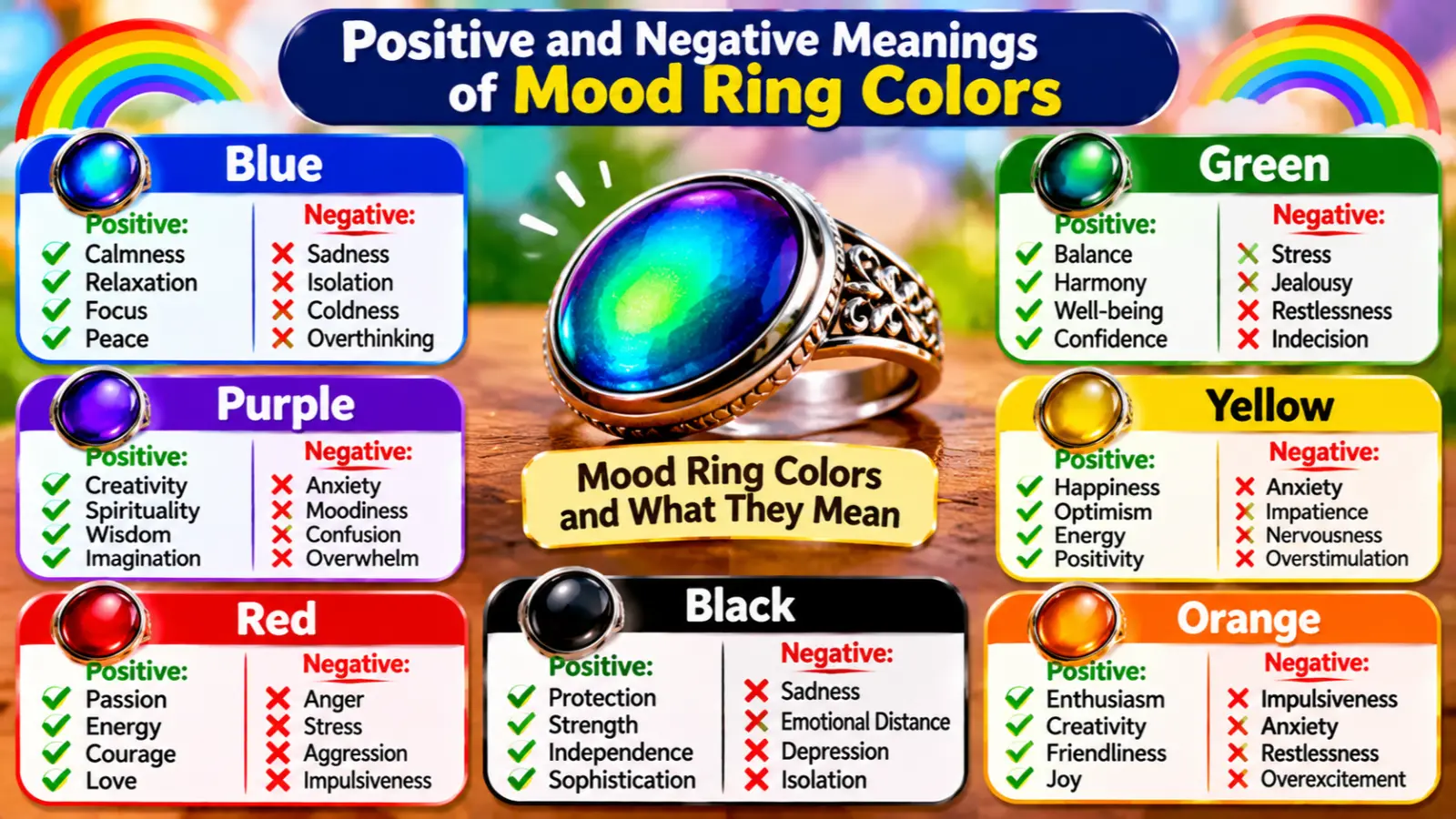
Mood ring colors have both positive and negative traditional interpretations. The same shade can represent different ideas depending on its brightness, surrounding colors, cultural background, and the chart supplied with the ring.
Positive Meanings
This item is unavailable – Etsy
- Blue – Happiness and peace: Blue often represents relaxation, trust, and emotional comfort. Children might associate it with a quiet afternoon or a peaceful day.
- Green – Balance and harmony: Green symbolizes nature, growth, and stability. It can remind children of healthy friendships and outdoor activities.
- Purple – Creativity and imagination: Purple represents originality, curiosity, and inspiration. It may remind children of art, storytelling, and imaginative play.
- Pink – Love and kindness: Pink symbolizes affection, friendship, warmth, and caring relationships.
- Yellow – Hope and optimism: Yellow represents sunshine, happiness, and positive thinking.
- Orange – Energy and enthusiasm: Orange symbolizes adventure, excitement, and creative activities.
- Red – Courage and confidence: Red represents strength, determination, and passionate feelings.
- White – Freshness and simplicity: White symbolizes cleanliness, peacefulness, and new beginnings.
Negative Meanings
- Blue – Emotional distance: Some traditional charts associate darker blue shades with quietness or withdrawal. A real child may simply have cool fingers.
- Green – Uncertainty: Green sometimes represents an ordinary or neutral state rather than a strong emotion.
- Purple – Overexcitement: Although purple often represents creativity, some interpretations associate it with intense feelings or emotional sensitivity.
- Pink – Vulnerability: Pink can suggest sensitivity or a need for affection in certain symbolic interpretations.
- Yellow – Nervousness: Yellow sometimes represents worry, uncertainty, or restlessness.
- Orange – Impatience: Orange may symbolize excessive excitement, frustration, or difficulty sitting still.
- Red – Anger: Some traditional charts associate red with strong emotions, frustration, or tension.
- Brown – Restlessness: Brown can represent uncertainty, discomfort, or nervous energy.
- Gray – Worry: Gray sometimes symbolizes tiredness, confusion, or emotional uncertainty.
- Black – Mystery or tension: Black may represent stress in popular mood ring charts, but it can also appear when the ring becomes cold or stops responding normally.
Important: None of these colors proves that a child feels happy, sad, angry, or worried. Children should describe their feelings in their own words instead of relying on a jewelry color.
Meanings of Mood Ring Colors in Everyday Life
Mood ring colors have different meanings depending on where children encounter them. Their traditional emotional interpretations can make them interesting in education, games, fashion, and creative activities.
Feng Shui
Feng Shui is a traditional Chinese practice that explores how surroundings and arrangements influence the flow of energy.
Mood rings do not have a special established role in Feng Shui, but their colors can connect with traditional color symbolism.
- Blue: Often connects with the Water element, representing wisdom and calmness.
- Green: Connects with the Wood element, representing growth and renewal.
- Red: Connects with the Fire element, representing energy and passion.
- Yellow: Often connects with Earth, representing stability and grounding.
- White: Connects with Metal, representing clarity and organization.
Children can use these associations to learn about colors and nature. For example, blue and green decorations may create a peaceful atmosphere in a study area.
Marketing
Toy companies and jewelry brands use mood rings to attract children and people who enjoy colorful accessories.
Common marketing associations include:
- Branding psychology: Bright colors make mood rings look playful and exciting.
- Consumer perception: Color-changing stones create curiosity and encourage exploration.
- Trust signals: Clear age recommendations, product information, and safety labeling help parents evaluate jewelry.
- Product packaging: Rainbow illustrations and colorful charts make products visually appealing.
- Advertising: Brands often promote mood rings as fun gifts, friendship accessories, and novelty jewelry.
Unlike established emotional assessment tools, mood rings do not provide a reliable psychological reading.
Design
Mood rings combine jewelry design with color-changing technology.
- Interior design: Children can use mood ring colors as inspiration for colorful bedrooms, craft corners, and play spaces.
- Graphic design: Color charts help children learn the relationship between shades and their traditional meanings.
- Web design: Interactive color charts can make educational websites more engaging.
- User experience: Simple color guides help children understand how their rings change.
- Minimalist aesthetics: Simple silver bands and single-color stones create a clean, classic appearance.
Fashion
Mood rings became popular as novelty accessories because of their unusual color-changing appearance. They remain attractive to children who enjoy playful jewelry.
Clothing symbolism: Blue and green rings can complement casual outfits, while purple, pink, and red stones can add colorful accents.
Seasonal use:
- Spring: Green and pink mood rings.
- Summer: Yellow, orange, and blue rings.
- Autumn: Brown, orange, and red rings.
- Winter: Blue, purple, and white rings.
Styling effects: Small mood rings work well with everyday clothing, while colorful stones can complement party outfits.
Personality impressions: Children may choose purple for creativity, blue for a peaceful appearance, or pink for a playful style. These choices express personal taste rather than fixed personality traits.
Advantages:
- Colorful and entertaining.
- Encourage conversations about feelings.
- Available in different styles and sizes.
- Make playful birthday gifts.
- Introduce children to basic color science.
Disadvantages:
- Color charts vary between manufacturers.
- Some rings contain fragile components.
- Cheap jewelry may use unsuitable materials.
- Temperature changes can create confusing color readings.
Parents should choose age-appropriate jewelry from reputable sellers and check product materials, sizing, and safety information. The U.S. Consumer Product Safety Commission has previously recalled children’s mood rings because of excessive lead content, demonstrating why product safety matters. U.S. Consumer Product Safety Commission+1
Color Associations Are Not Universal
Mood ring color meanings differ across cultures, traditions, and individual experiences. A particular shade may represent happiness in one setting and sadness or mourning in another.
Western cultures: In many Western mood ring charts, blue represents calmness, green represents normal or balanced feelings, and purple represents excitement or affection. These meanings reflect popular jewelry traditions rather than universal psychological rules.
Eastern cultures: Color symbolism varies throughout Asia. For example, red often represents celebration, good fortune, and happiness in Chinese traditions. White may represent mourning in some East Asian cultures. These associations can differ from the meanings found on Western mood ring charts.
Religious traditions: Different religions connect colors with different spiritual ideas. White may represent purity, while green can symbolize life and renewal. Purple sometimes represents spirituality, reflection, or religious ceremony.
Historical interpretations: Mood rings became popular during the 1970s. Their appeal came from the novelty of watching jewelry change color. People enjoyed connecting those changes with emotions, even though the technology responded to temperature.
Modern global interpretations: Today, children and adults often treat mood rings as playful accessories. Social media, online jewelry stores, and colorful educational charts have helped spread different interpretations. However, no single mood ring color chart applies to every product.
What Mood Ring Colors Say About Your Personality
Children sometimes believe their mood ring reveals their personality. Although traditional color symbolism can provide fun ideas, a ring cannot accurately identify someone’s character.
A child’s personality develops through experiences, relationships, interests, and individual behavior.
Here are some playful associations:
- Blue lovers: Often associated with peacefulness, patience, and thoughtfulness.
- Green lovers: Symbolically connected with balance, nature, and kindness.
- Purple lovers: Often associated with creativity, curiosity, and imagination.
- Pink lovers: Symbolically connected with friendliness, affection, and compassion.
- Yellow lovers: Often associated with optimism, curiosity, and enthusiasm.
- Orange lovers: Connected with adventure, energy, and playfulness.
- Red lovers: Symbolically associated with confidence, courage, and determination.
Strengths
Children who enjoy colorful mood rings may appreciate creativity, self-expression, and playful learning. Their favorite shades can inspire art projects and conversations.
Weaknesses
A color preference does not reveal weaknesses. However, children should avoid judging themselves or others based on the colors they wear.
Social Behavior
Mood rings can encourage friendship and interaction. Children may compare their rings, discuss their favorite shades, and share different interpretations.
Work Style
Children may use mood ring colors as inspiration for school projects, drawing, science experiments, and creative activities.
Relationships
Colorful rings can become friendship gifts or conversation starters. Children can use them to discuss kindness, trust, and caring relationships.
Emotional Tendencies
A child may enjoy blue because it reminds them of peaceful surroundings or yellow because it reminds them of sunshine. These personal associations can change over time.
Remember: Mood ring colors cannot diagnose emotions or determine personality. Every child has a unique personality that deserves understanding beyond a color chart.
Frequently Asked Questions
1. What do mood ring colors mean for kids?
Mood ring colors have traditional emotional meanings. Blue represents calmness, green suggests balance, purple symbolizes excitement, pink represents affection, and yellow suggests curiosity. These meanings make mood rings fun, but they do not reveal actual emotions.
2. What does blue mean on a mood ring?
Blue traditionally represents happiness, relaxation, and peaceful feelings. Children may associate this shade with feeling comfortable, calm, and content.
3. What does green mean on a mood ring?
Green usually represents balance, comfort, and a normal emotional state. It also symbolizes nature, growth, and harmony.
4. What does purple mean on a mood ring?
Purple traditionally represents excitement, imagination, affection, and creativity. Children may connect this color with playful activities and happy experiences.
5. What does pink mean on a mood ring?
Pink symbolizes love, kindness, friendship, and affection. It often represents warm and caring feelings.
6. What does yellow mean on a mood ring?
Yellow traditionally represents curiosity, alertness, nervousness, or excitement. Its interpretation depends on the mood ring’s specific color chart.
7. Why does a mood ring change colors?
Mood rings contain temperature-sensitive liquid crystals. These crystals change the way they reflect light when their temperature changes. Finger temperature, rather than emotions, causes the color change. Chemical & Engineering News+1
8. Do mood rings really tell children’s moods?
No. Mood rings cannot accurately measure happiness, sadness, anger, or other emotions. They respond to temperature changes in the skin.
9. What does black mean on a mood ring?
Black often represents stress, tension, or uncertainty in traditional mood ring charts. However, it can also indicate that the ring has become too cold to display its usual colors.
10. Are mood rings safe for children?
Mood rings can make enjoyable accessories, but parents should check their materials, age recommendations, and product safety information. Avoid damaged rings, loose parts, and jewelry that children might put in their mouths.
11. Can children use mood rings to learn about emotions?
Yes. Mood rings can introduce children to emotional vocabulary and encourage conversations about feelings. Parents can use them to discuss happiness, excitement, frustration, and relaxation without treating the ring as an emotional detector.
12. Do all mood rings have the same color meanings?
No. Manufacturers use different temperature-sensitive materials and color charts. A blue shade on one ring may have a different interpretation on another. Always check the chart supplied with the product.
Conclusion
Mood ring color meanings for kids offer an entertaining way to explore colors, emotions, and creativity. Blue, green, purple, pink, yellow, orange, and red each have traditional symbolic associations that make these accessories interesting to children. However, mood rings respond to changes in finger temperature rather than directly measuring feelings. Parents and teachers can use them as educational tools to introduce color psychology and emotional awareness. Most importantly, children should remember that every emotion is normal and that their feelings matter more than the color of a ring.