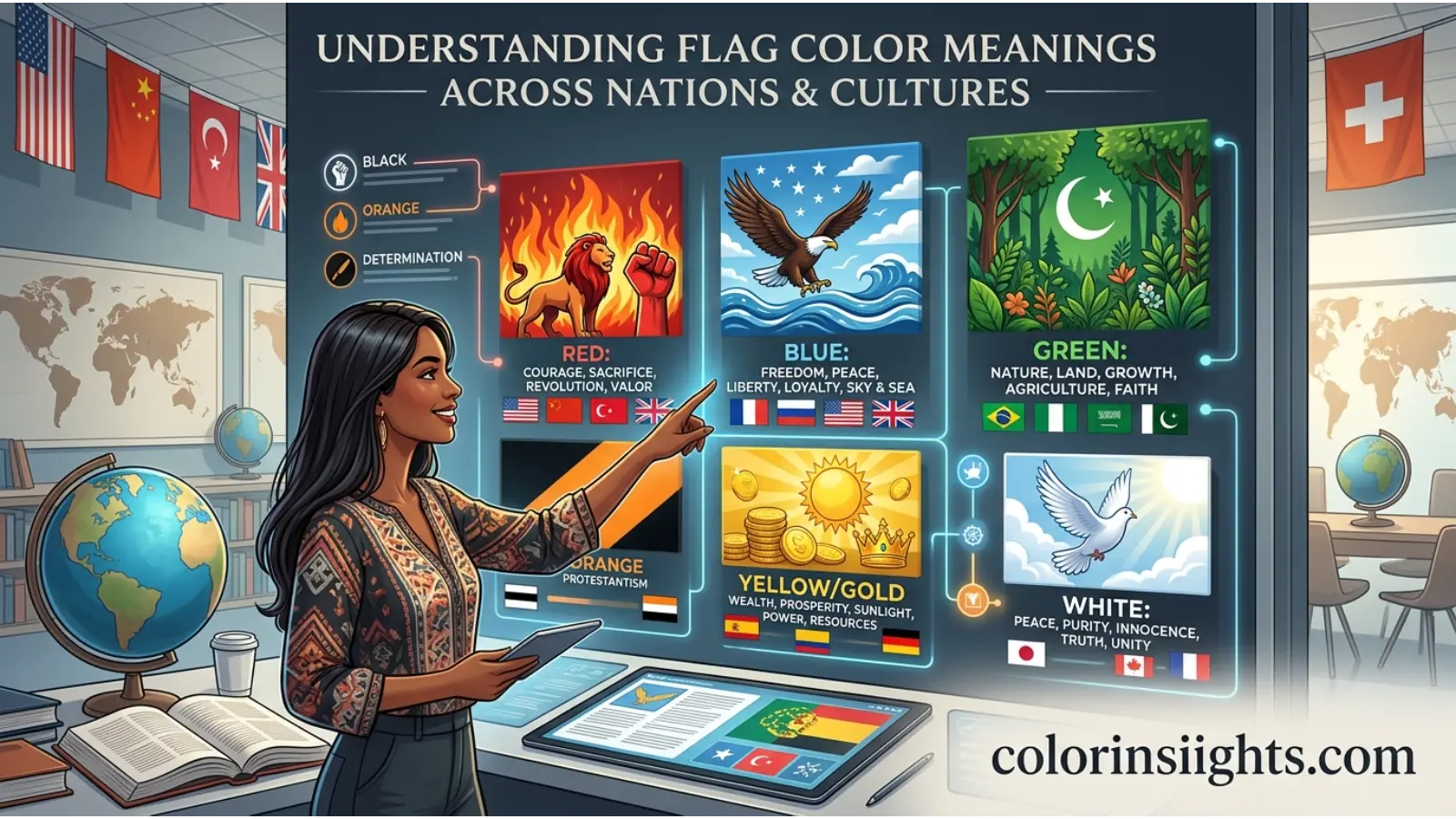
Flags are powerful visual symbols that communicate identity, values, history, and aspirations. The colors used in flags are rarely chosen at random. Across nations, organizations, and movements, flag colors carry deep meanings related to freedom, courage, peace, faith, prosperity, sacrifice, and unity.
Understanding flag color meanings helps explain how colors influence emotions, shape national identities, and communicate shared beliefs.
From the red of bravery and sacrifice to the blue of trust and loyalty, flag colors often represent important cultural, historical, and psychological values. Their meanings may vary between countries, religions, and traditions, making them fascinating symbols of human expression.
Quick Answer:
Flag color meanings generally symbolize values such as courage (red), peace (white), loyalty (blue), prosperity (green), wisdom (yellow/gold), strength (black), and unity. However, interpretations can vary depending on cultural, historical, and national contexts.
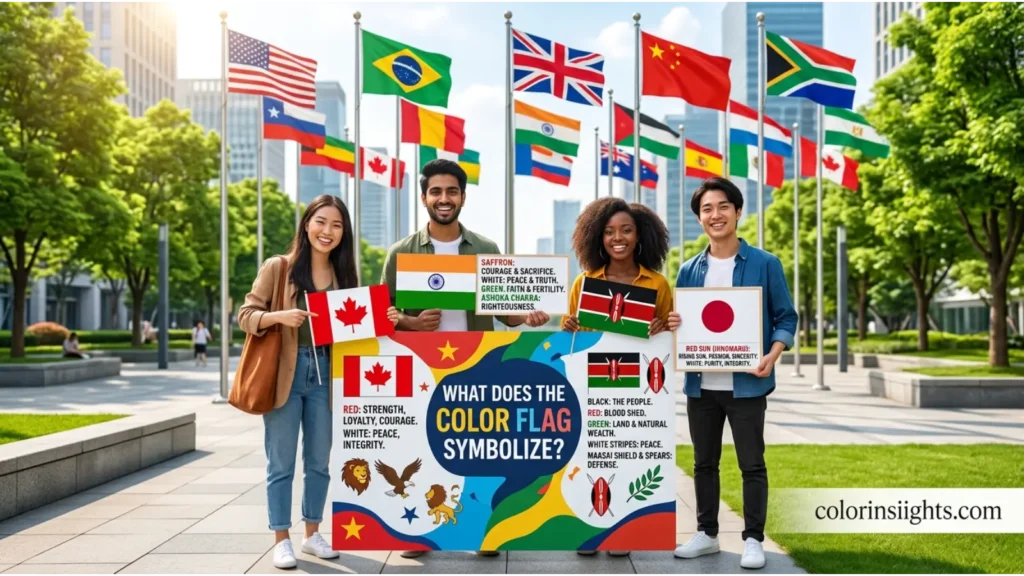
What Does the Color Flag Symbolize?
Flag colors symbolize collective ideals, national identity, cultural heritage, spiritual beliefs, and historical experiences. Each color conveys specific messages that help people understand the values represented by a nation, organization, or movement.
Some common flag color symbolism includes:
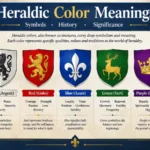
- Red: Courage, sacrifice, strength, and patriotism.
- Blue: Freedom, loyalty, justice, vigilance, and truth.
- White: Peace, purity, honesty, and unity.
- Green: Growth, fertility, nature, hope, and prosperity.
- Yellow/Gold: Wealth, wisdom, generosity, and enlightenment.
- Black: Determination, resilience, heritage, and strength.
- Orange: Courage, endurance, and cultural identity.
- Purple: Royalty, dignity, and spiritual wisdom.
Together, these colors create powerful visual messages that communicate national values and collective aspirations.
Psychological Characteristics of the Color Flag
From a color psychology perspective, flag colors influence perception, emotions, and social behavior. Because flags often represent communities and nations, their colors are designed to inspire emotional connections.
Emotional Associations
- Pride and patriotism
- Trust and belonging
- Hope and optimism
- Courage and resilience
- Unity and cooperation
Psychological Effects
- Strengthens group identity
- Creates emotional attachment
- Encourages social cohesion
- Reinforces cultural values
- Inspires loyalty and commitment
Positive Emotional Responses
- Confidence
- Security
- Inspiration
- National pride
- Motivation
Negative Emotional Responses
- National rivalry
- Political division
- Historical trauma associations
- Exclusion of minority groups in some contexts
Impact on Mood and Behavior
Flag colors can evoke powerful emotions during celebrations, sporting events, political gatherings, and national ceremonies. People often feel more connected to a group or cause when exposed to meaningful color symbolism.
Typical Reactions
People commonly associate flag colors with:
- Identity
- Tradition
- Community
- Heritage
- Shared purpose
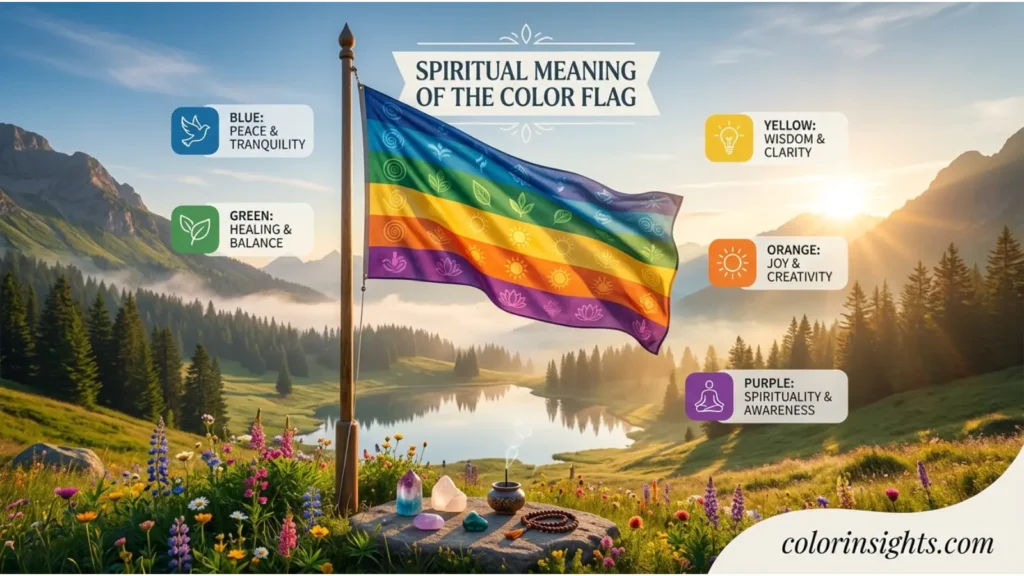
Spiritual Meaning of the Color Flag
Many flag colors have spiritual significance that extends beyond national symbolism. Throughout history, colors on flags have represented divine values, religious teachings, and sacred ideals.
Common Spiritual Meanings
- Holiness: White often symbolizes spiritual purity.
- Wisdom: Gold and yellow represent knowledge and enlightenment.
- Purity: White reflects innocence and moral clarity.
- Transformation: Green symbolizes renewal and growth.
- Healing: Green is often associated with restoration and balance.
- Protection: Blue can symbolize divine guardianship.
- Power: Red and black may represent spiritual strength.
- Enlightenment: Gold frequently symbolizes higher consciousness.
- New Beginnings: Green reflects rebirth and hope.
- Eternity: Blue often represents the infinite sky and eternal truth.
Religious and spiritual traditions around the world frequently incorporate these color meanings into ceremonial flags and sacred banners.

Positive and Negative Meanings of the Color Flag
Positive Meanings
Flag colors commonly represent positive values such as:
- Purity: White flags symbolize peace and honesty.
- Peace: White remains a universal symbol of nonviolence.
- Simplicity: Minimal color schemes often communicate clarity.
- Clarity: Blue suggests truth and transparency.
- Freshness: Green symbolizes renewal and vitality.
- Hope: Green and yellow often inspire optimism.
- Balance: Blue and white combinations create harmony.
- Harmony: Multicolored flags can represent unity in diversity.
Real-World Example: The use of blue and white in many national flags reflects aspirations toward peace, stability, and integrity.
Negative Meanings
Depending on context, flag colors may also carry negative associations.
- Emptiness: Excessive white may feel impersonal.
- Isolation: Dark color schemes can appear distant.
- Coldness: Blue-heavy designs sometimes seem unemotional.
- Sterility: Pure white may appear overly clinical.
- Boredom: Lack of contrast can reduce visual impact.
- Emotional Distance: Cool colors may create psychological detachment.
- Perfectionism: Highly structured color symbolism can feel rigid.
Real-World Example:
Political conflicts may cause certain flag colors to become associated with division rather than unity.
Meanings of the Color Flag
The meaning of flag colors changes according to historical, cultural, political, and religious contexts. A color that symbolizes prosperity in one country may represent mourning or spirituality in another.
Feng Shui
In Feng Shui, flag colors can influence energy flow depending on the colors used.
- Associated Elements:
- Red = Fire
- Blue = Water
- Green = Wood
- White = Metal
- Yellow = Earth
- Energy Symbolism:
- Red energizes spaces.
- Blue promotes calmness.
- Green encourages growth.
- Best Rooms:
- Green for living rooms.
- Blue for bedrooms.
- Yellow for dining spaces.
- Recommended Color Combinations:
- Blue and white
- Green and gold
- Red and yellow
- Home Decorating Tips:
- Use balanced color combinations.
- Avoid overwhelming spaces with highly stimulating colors.
Marketing
Colors commonly found on flags are heavily used in branding and advertising.
Branding Psychology
- Red stimulates excitement and urgency.
- Blue communicates trust.
- Green suggests sustainability.
- Yellow conveys optimism.
Consumer Perception
Consumers often associate color choices with reliability, quality, and authenticity.
Trust Signals
Blue remains one of the most trusted colors in marketing because it conveys stability and professionalism.
Product Packaging
Brands frequently use:
- Red for attention-grabbing products.
- Green for eco-friendly products.
- Blue for financial and technology services.
Advertising Applications
Flag-inspired color combinations often evoke patriotism and cultural pride.
Common examples include:
Design
Flag colors influence numerous design fields.
Interior Design
- Blue creates calm environments.
- Green adds freshness.
- White increases perceived space.
Graphic Design
Designers use flag colors to create recognizable visual identities and strong contrast.
Web Design
Colors influence:
- Navigation visibility
- User trust
- Brand recognition
- Accessibility
User Experience
Strategic color use improves readability and user engagement.
Minimalist Aesthetics
Simple flag-inspired palettes are often used in modern minimalist design systems.
Fashion
Flag colors frequently influence clothing trends and personal style.
Clothing Symbolism
- Red suggests confidence.
- Blue indicates reliability.
- White represents simplicity.
- Green reflects harmony.
Seasonal Use
- Bright colors often appear in spring and summer.
- Darker tones are popular in autumn and winter.
Styling Effects
Color combinations inspired by national flags can create bold and memorable outfits.
Personality Impressions
People may perceive wearers as:
- Confident
- Patriotic
- Creative
- Professional
Advantages
- Strong visual impact
- Cultural significance
- Versatility
Disadvantages
- Political associations
- Cultural misunderstandings
- Overly symbolic interpretations
Practical Example:
Red, white, and blue combinations are often worn during national celebrations and sporting events.
Color Associations Are Not Universal
Color meanings vary considerably across cultures.
Western Cultures
In many Western countries:
- White symbolizes purity and peace.
- Blue symbolizes trust.
- Red symbolizes passion and courage.
National flags often reflect democratic ideals, freedom, and patriotism.
Eastern Cultures
Many Eastern traditions interpret colors differently.
- Red often symbolizes luck and prosperity.
- White may be associated with mourning in some regions.
- Gold frequently represents wealth and wisdom.
These meanings influence flag design and ceremonial symbolism.
Religious Traditions
Different faiths assign unique meanings to colors.
- Green is important in many Islamic traditions.
- White symbolizes purity in Christianity.
- Saffron represents sacrifice and spirituality in Hindu traditions.
Historical Interpretations
Historical events frequently shape color symbolism.
For example:
- Revolutionary movements often adopted red.
- Royal dynasties frequently used purple and gold.
- Military traditions influenced black and red symbolism.
Modern Global Interpretations
Globalization has increased shared color associations, but local meanings remain important. Modern audiences often interpret flag colors through both cultural heritage and contemporary values.
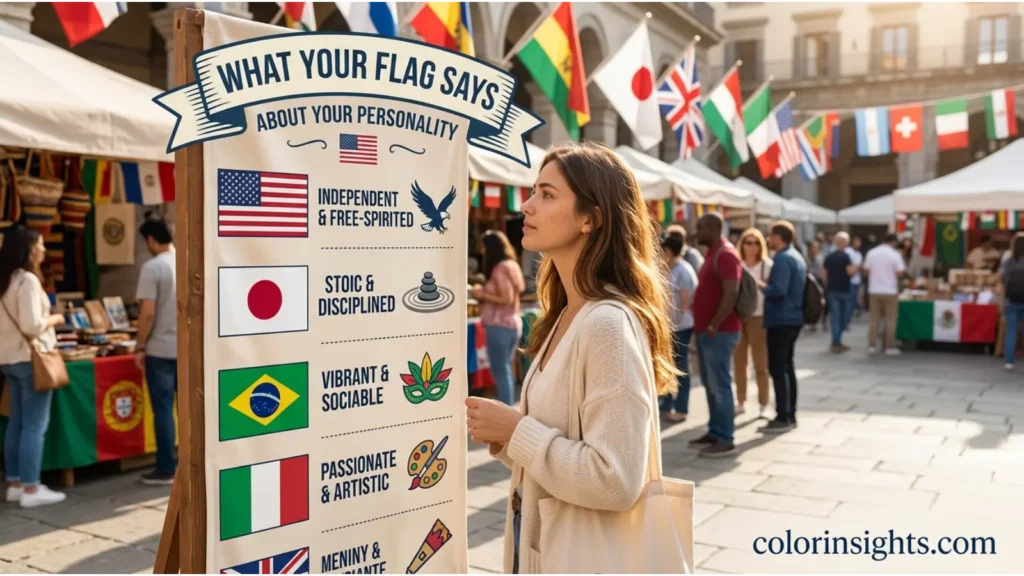
What Flag Says About Your Personality
People attracted to flag symbolism often appreciate identity, belonging, and shared values. However, color preferences alone do not determine personality.
Strengths
- Loyal
- Community-oriented
- Respectful of traditions
- Patriotic
- Purpose-driven
Weaknesses
- Resistant to change
- Overly idealistic
- Strong emotional attachment to symbols
Social Behavior
Such individuals often enjoy participating in communities, cultural events, and group activities.
Work Style
They may value:
- Teamwork
- Responsibility
- Structure
- Long-term commitment
Relationships
They often seek:
- Trust
- Loyalty
- Stability
- Shared values
Emotional Tendencies
They may feel strong emotional responses to symbols representing heritage, identity, and collective goals.
Frequently Asked Questions:
What defines flag colors?
Flag colors are symbolic visual elements chosen to represent national values, cultural traditions, historical events, or organizational principles.
What do flag colors symbolize?
Flag colors commonly symbolize courage, peace, loyalty, prosperity, wisdom, sacrifice, and unity.
Why are flag colors important?
They communicate identity, values, heritage, and shared beliefs while helping create national and cultural recognition.
Are flag color meanings universal?
No. Color symbolism varies significantly between cultures, religions, and historical periods.
What emotions do flag colors represent?
Depending on the color, they can represent pride, hope, trust, courage, peace, strength, and belonging.
What is the spiritual meaning of flag colors?
Spiritually, flag colors may symbolize holiness, wisdom, transformation, protection, enlightenment, and eternal truth.
Which flag color represents peace?
White is the color most commonly associated with peace and nonviolence.
Which flag color represents courage?
Red is widely recognized as a symbol of bravery, sacrifice, and courage.
What colors pair well in flag-inspired designs?
Popular combinations include:
- Red and white
- Blue and white
- Green and gold
- Red, white, and blue
What does liking flag symbolism say about a person?
It may suggest an appreciation for community, tradition, heritage, loyalty, and collective identity.
How do brands use flag colors?
Brands use flag-inspired colors to build trust, evoke patriotism, create emotional connections, and strengthen brand recognition.
How do flag colors affect design?
They help establish visual hierarchy, improve recognition, communicate values, and create emotional engagement.
Conclusion:
Flag color meanings represent far more than visual decoration. They embody history, culture, spirituality, psychology, and collective identity. Colors such as red, blue, white, green, yellow, and black communicate powerful messages about courage, peace, loyalty, prosperity, wisdom, and resilience.
While interpretations differ across cultures and historical periods, flag colors remain among the most influential visual symbols in human society. Understanding these meanings provides deeper insight into national identities, cultural traditions, design principles, and the psychology of color itself.