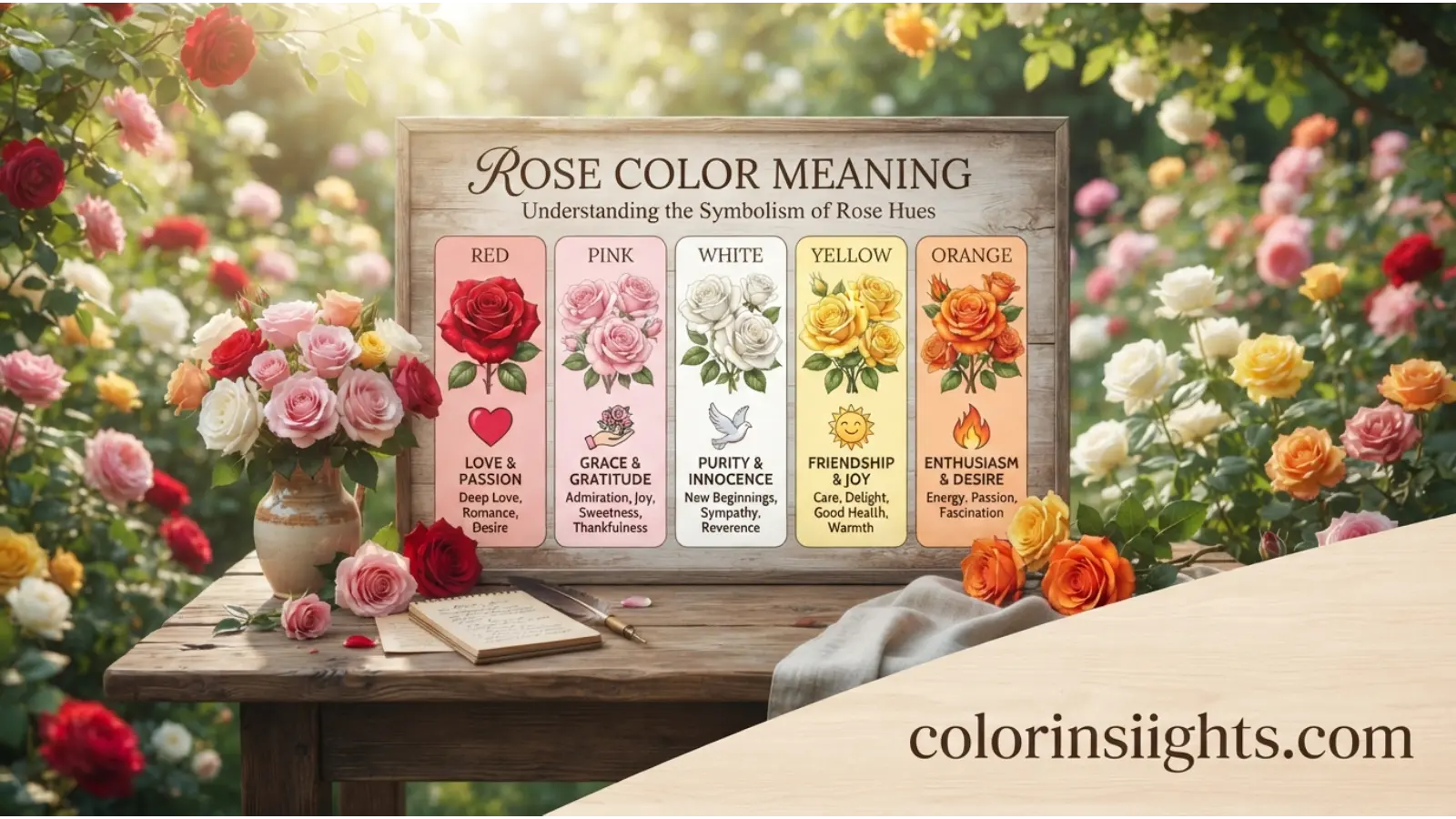
The rose color meaning is a soft, elegant shade that sits between pink and red, often associated with love, compassion, beauty, romance, and emotional warmth.
Named after the petals of a rose flower, this color combines the passion of red with the gentleness of pink, creating a balanced and sophisticated emotional appeal.
Across psychology, fashion, design, spirituality, and culture, rose symbolizes affection, tenderness, optimism, and refined femininity.
Quick Answer:
Rose color meaning is commonly associated with love, romance, kindness, emotional healing, compassion, beauty, and harmony. It often represents gentle affection, self-love, grace, and emotional balance.
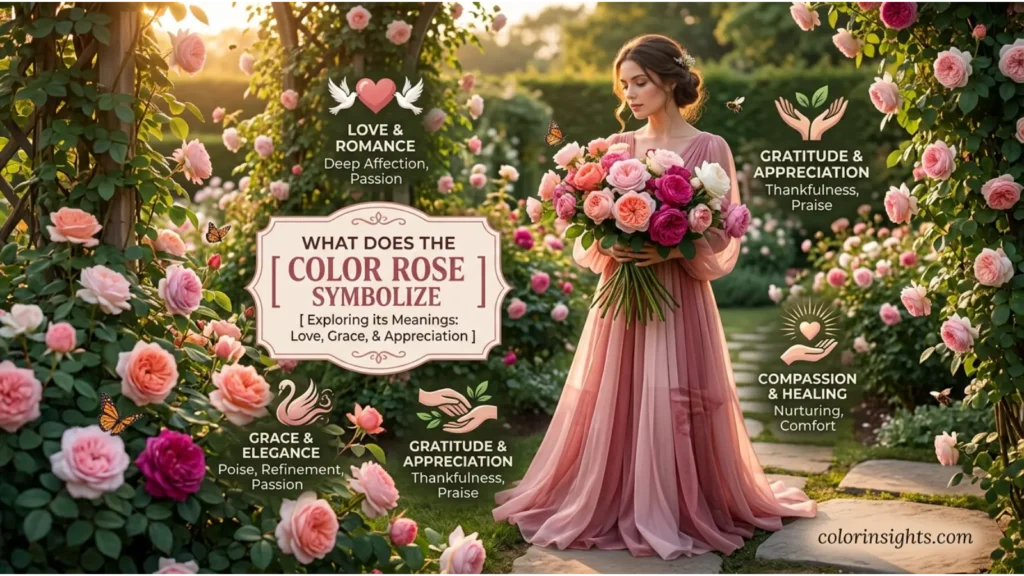
What Does the Color Rose Symbolize?
Rose symbolism centers around emotional connection, affection, and heartfelt expression. It is often seen as a color that bridges passion and tenderness, making it one of the most emotionally expressive colors.
Common symbolic meanings of rose include:
- Love and romance
- Compassion and empathy
- Beauty and elegance
- Emotional healing
- Gentleness and kindness
- Femininity and grace
- Hope and optimism
- Friendship and affection
- Self-love and acceptance
- Harmony and emotional balance
Because it blends qualities of red and pink, rose often symbolizes mature love rather than intense passion alone.
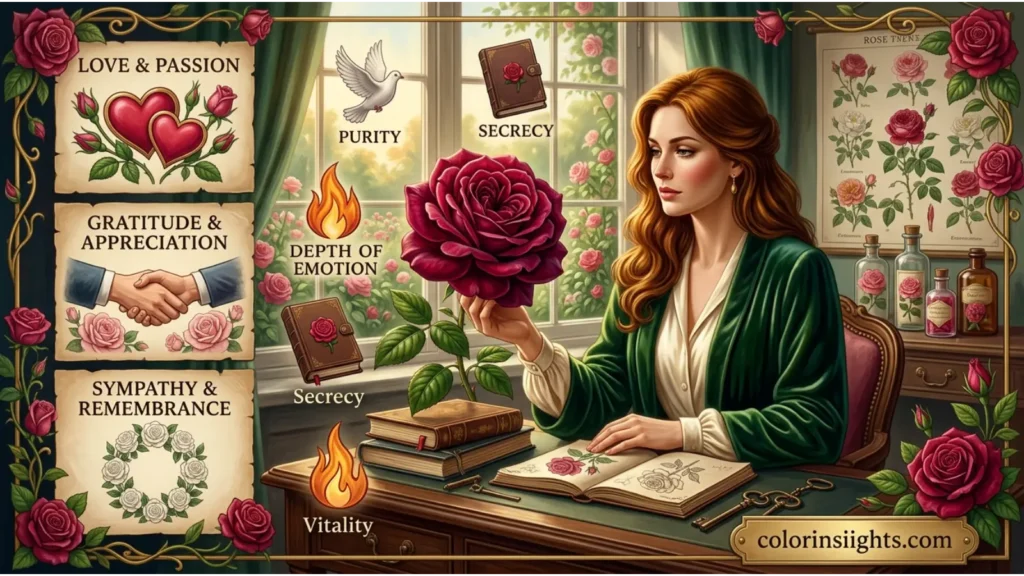
Psychological Characteristics of Rose
Color psychology views rose as a nurturing and emotionally supportive color. It tends to create feelings of comfort, affection, and emotional security.
Emotional Associations
- Love and affection
- Warmth and care
- Compassion
- Emotional openness
- Romance
- Kindness
- Sensitivity
Psychological Effects
- Encourages calm emotional expression
- Promotes feelings of acceptance
- Reduces emotional tension
- Creates a welcoming atmosphere
- Inspires empathy and understanding
Positive Emotional Responses
- Happiness
- Comfort
- Optimism
- Trust
- Affection
- Emotional security
- Confidence in relationships
Negative Emotional Responses
- Over-sensitivity
- Emotional dependency
- Naivety
- Sentimentality
- Vulnerability
Impact on Mood and Behavior
Rose can make environments feel more inviting and emotionally warm. It often encourages cooperative behavior, friendliness, and social connection. In therapeutic settings, softer rose tones may help create a sense of emotional comfort.
How People Typically React to the Color
Most people perceive rose as:
- Gentle
- Friendly
- Romantic
- Elegant
- Comforting
- Youthful yet sophisticated
However, reactions vary based on cultural background, personal experiences, and context.
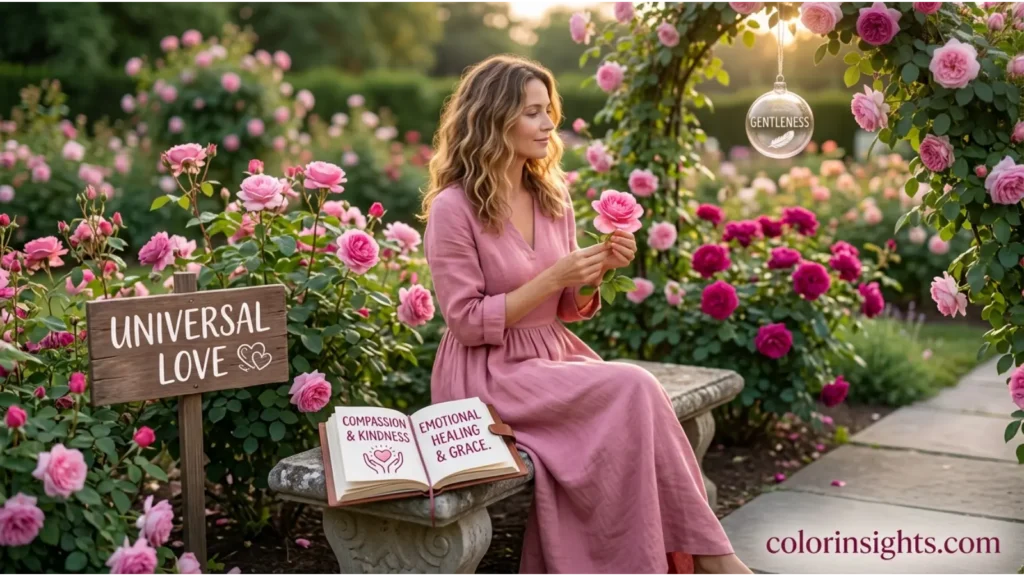
Spiritual Meaning of the Color Rose
The spiritual meaning of rose is often connected to the heart, compassion, divine love, and emotional transformation. Many spiritual traditions associate rose tones with unconditional love and healing energy.
Spiritual Symbolism
- Holiness: Represents divine compassion and sacred love.
- Wisdom: Encourages emotional intelligence and understanding.
- Purity: Symbolizes sincere intentions and pure affection.
- Transformation: Reflects personal growth through love and forgiveness.
- Healing: Associated with emotional recovery and heart-centered healing.
- Protection: Seen as a protective energy against negativity.
- Power: Represents the strength found in kindness and empathy.
- Enlightenment: Encourages spiritual awareness through compassion.
- New Beginnings: Symbolizes fresh emotional chapters and renewed relationships.
- Eternity: Often connected to enduring love and lasting spiritual bonds.
In many spiritual practices, rose energy is linked to the heart chakra, emphasizing emotional balance and unconditional love.
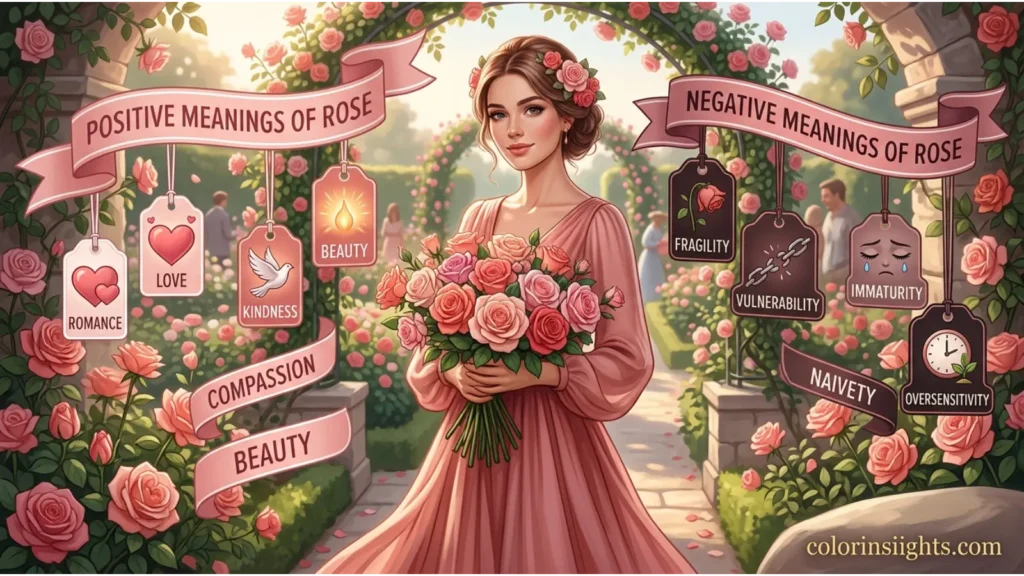
Positive and Negative Meanings of the Color Rose
Positive Meanings
Rose carries many uplifting symbolic associations:
Love
Rose is universally linked with romance, affection, and emotional connection.
Example:
Rose-colored flowers are commonly exchanged on anniversaries and Valentine’s Day.
Compassion
The color encourages empathy and understanding.
Example:
Healthcare and wellness brands may use rose tones to create a caring image.
Harmony
Rose promotes emotional balance and peaceful interactions.
Example:
Rose accents in living spaces can create a soothing atmosphere.
Hope
Its gentle warmth often symbolizes optimism and positive emotional growth.
Example:
Rose ribbons are used in awareness campaigns to inspire hope.
Beauty
The color is strongly connected with elegance and aesthetic appeal.
Example:
Luxury beauty products frequently incorporate rose packaging.
Acceptance
Rose represents self-love and emotional openness.
Example:
Wellness movements often use rose imagery to encourage self-care.
Friendship
Lighter rose shades can symbolize warmth and appreciation among friends.
Emotional Healing
Rose often signifies recovery from emotional challenges and renewed happiness.
Negative Meanings
Although generally positive, rose can also have less favorable interpretations.
Emptiness
Excessively soft rose tones may appear lacking in energy or urgency.
Example:
A business presentation using only pale rose may seem passive.
Isolation
Too much emphasis on emotional sensitivity can sometimes create feelings of withdrawal.
Coldness
Muted rose shades occasionally appear detached when paired with gray tones.
Sterility
Overly polished rose environments can feel artificial.
Example:
Some luxury interiors may seem beautiful but emotionally distant.
Boredom
Large amounts of uniform rose without contrast can feel monotonous.
Emotional Distance
In some contexts, rose may appear superficial rather than genuinely emotional.
Perfectionism
The color’s association with beauty and refinement can sometimes create unrealistic expectations.
Example:
Social media aesthetics centered around flawless rose themes may encourage perfectionistic thinking.
Meanings of the Color Rose
The meaning of rose changes depending on context, culture, industry, and shade intensity. Light rose often communicates gentleness and innocence, while deeper rose shades express romance, confidence, and emotional depth.
Feng Shui
In Feng Shui, rose is generally associated with the Fire element because of its connection to red and emotional energy.
Energy Symbolism
- Love and relationships
- Harmony
- Emotional healing
- Positive social energy
Best Rooms
- Bedroom
- Living room
- Meditation room
- Relationship corner of the home
Recommended Color Combinations
- Rose and white
- Rose and cream
- Rose and gold
- Rose and beige
- Rose and soft gray
Home Decorating Tips
Use rose as an accent color through cushions, artwork, curtains, or decorative accessories to create warmth without overwhelming the space.
Marketing
Rose plays a significant role in branding and advertising.
Branding Psychology
Brands use rose to communicate:
- Care
- Beauty
- Compassion
- Sophistication
- Emotional connection
Consumer Perception
Consumers often perceive rose-colored branding as:
- Trustworthy
- Elegant
- Approachable
- Modern
- Friendly
Trust Signals
Rose helps create emotional familiarity and warmth, especially in wellness and beauty industries.
Product Packaging
Frequently used for:
- Cosmetics
- Skincare
- Wellness products
- Fragrances
- Luxury gifts
Advertising Applications
Rose is effective in campaigns focused on:
- Relationships
- Self-care
- Beauty
- Emotional wellbeing
Famous brands in beauty, cosmetics, and lifestyle industries commonly incorporate rose-inspired color palettes to communicate elegance and care.
Design
Rose is widely used in design because of its versatility.
Interior Design
- Creates warmth and comfort
- Softens modern spaces
- Adds elegance without being overwhelming
Graphic Design
- Attracts attention gently
- Creates emotional appeal
- Works well in feminine and luxury branding
Web Design
- Enhances user friendliness
- Creates welcoming interfaces
- Supports wellness and lifestyle websites
User Experience
Rose can reduce visual harshness and improve emotional engagement.
Minimalist Aesthetics
When combined with white, beige, or gray, rose contributes to clean and sophisticated minimalist designs.
Fashion
Rose remains one of the most versatile colors in fashion.
Clothing Symbolism
Rose clothing often symbolizes:
- Confidence
- Warmth
- Romance
- Kindness
- Sophistication
Seasonal Use
- Spring: Fresh and floral
- Summer: Light and cheerful
- Fall: Dusty rose adds elegance
- Winter: Rose pairs beautifully with neutrals
Styling Effects
Rose softens strong outfits while maintaining elegance.
Personality Impressions
People wearing rose are often perceived as:
- Friendly
- Approachable
- Stylish
- Compassionate
- Creative
Advantages
- Flatters many skin tones
- Works with numerous color combinations
- Suitable for casual and formal wear
Disadvantages
- Can appear overly delicate in certain professional settings
- Some darker wardrobes may require balancing colors
Practical Example:
A rose blazer paired with navy trousers creates a professional yet approachable appearance.
Color Associations Are Not Universal
Color meanings vary significantly across cultures and historical periods.
Western Cultures
In many Western societies, rose symbolizes romance, femininity, compassion, and affection. It is frequently used in weddings, celebrations, and beauty industries.
Eastern Cultures
In some Eastern cultures, rose may symbolize happiness, harmony, prosperity, and gentle emotional expression. Interpretations often depend on local traditions and specific shades.
Religious Traditions
Various religious traditions associate rose with divine love, spiritual devotion, purity, and compassion. Rose-colored flowers are often used in ceremonies and sacred symbolism.
Historical Interpretations
Historically, rose represented aristocratic elegance, beauty, refinement, and social status. Rose pigments and fabrics were often associated with luxury.
Modern Global Interpretations
Today, rose commonly symbolizes:
- Emotional wellness
- Self-care
- Inclusivity
- Compassion
- Modern elegance
- Positive relationships
Global media and fashion have broadened rose’s symbolism beyond traditional gender associations.
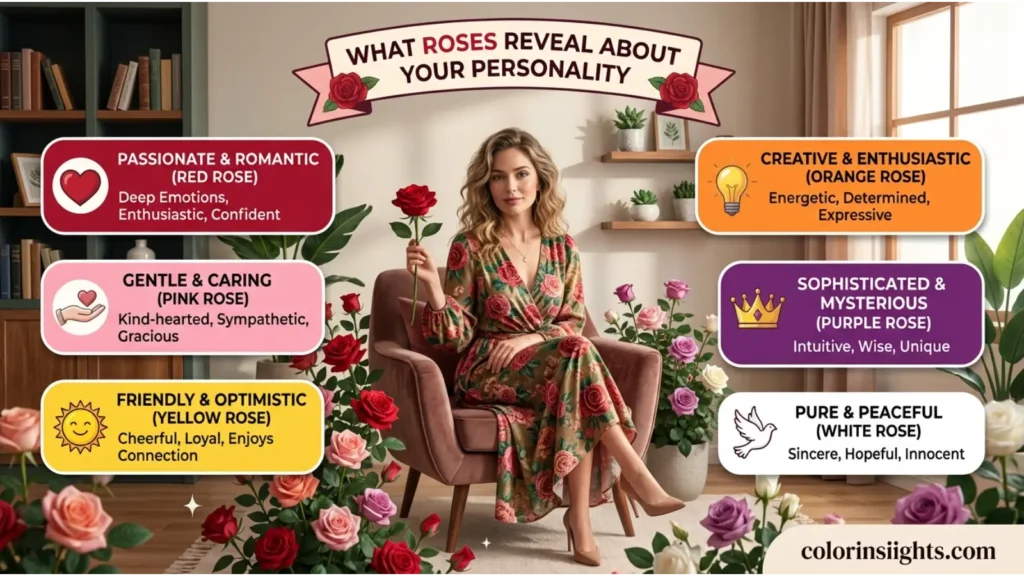
What Rose Says About Your Personality
People who prefer rose are often believed to value emotional connection, kindness, and harmony. However, color preferences alone cannot accurately determine personality.
Strengths
- Compassionate
- Supportive
- Empathetic
- Optimistic
- Caring
- Diplomatic
Weaknesses
- Overly sensitive
- Conflict avoidant
- Emotionally vulnerable
- Sometimes idealistic
Social Behavior
Rose enthusiasts often enjoy meaningful relationships and supportive social environments.
Work Style
They may excel in:
- Counseling
- Education
- Healthcare
- Design
- Human resources
- Creative professions
Relationships
They often prioritize:
- Loyalty
- Emotional honesty
- Compassion
- Long-term connection
Emotional Tendencies
They may be highly aware of emotions, both their own and those of others, which can be both a strength and a challenge.
Remember that personality is shaped by many factors beyond color preference.
FAQs:
What defines rose color?
Rose is a soft reddish-pink color inspired by rose flower petals. It combines the warmth of red with the gentleness of pink.
What does rose symbolize?
Rose symbolizes love, compassion, beauty, emotional healing, harmony, and affection.
Why is rose important?
Rose is important because it communicates warmth, emotional connection, and care in psychology, design, fashion, and branding.
Is rose a warm or cool color?
Rose is generally considered a warm color because it contains red undertones, although some muted rose shades can appear more neutral.
What emotions does rose represent?
Rose commonly represents love, kindness, empathy, hope, comfort, romance, and emotional balance.
What does rose mean spiritually?
Spiritually, rose symbolizes divine love, healing, compassion, emotional growth, and heart-centered awareness.
What colors pair well with rose?
Rose pairs beautifully with white, cream, gold, beige, gray, navy, emerald green, and soft brown.
What does liking rose say about a person?
People who like rose are often associated with kindness, empathy, creativity, and emotional sensitivity, though color preference alone does not define personality.
Is rose suitable for business branding?
Yes. Rose is frequently used in beauty, wellness, healthcare, and lifestyle branding because it communicates care and sophistication.
How is rose used in interior design?
Rose is used to create warm, inviting, elegant spaces and often appears in bedrooms, living rooms, and wellness-focused environments.
Does rose represent romance?
Yes. Rose is one of the most recognized colors associated with romance, affection, and emotional intimacy.
Is rose a feminine color?
Traditionally it has been associated with femininity, but modern interpretations view rose as a versatile color suitable for all genders.
Conclusion:
The Rose Meaning encompasses love, compassion, beauty, emotional healing, harmony, and personal growth. Its unique balance between the energy of red and the softness of pink makes it one of the most emotionally expressive colors in psychology, spirituality, design, marketing, and fashion.
While rose symbolism varies across cultures and contexts, it consistently evokes warmth, kindness, and connection. Whether used in branding, home décor, clothing, or spiritual practice, rose remains a timeless color that communicates affection, elegance, and emotional balance.