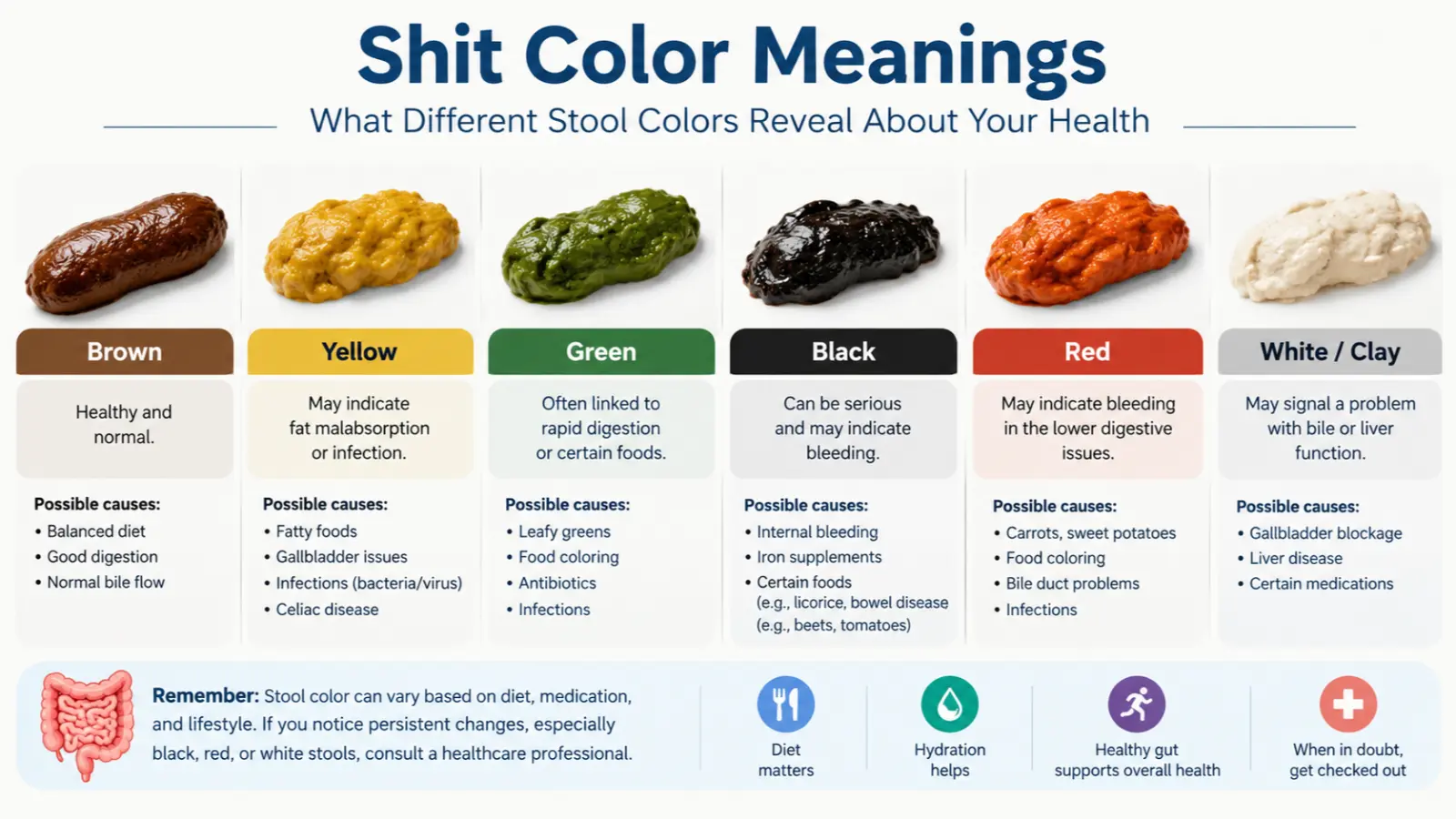
Shit color meanings explore the symbolism and psychological associations of earthy brown shades that resemble feces. Although the term is informal, it offers an interesting way to examine how color, context, and cultural attitudes influence human perception. These shades may evoke nature, waste, disgust, humor, imperfection, or transformation, depending on how they are presented.
In traditional color symbolism, brown is commonly connected with soil, stability, simplicity, and the natural world. However, feces-like imagery can produce stronger negative reactions because of its association with bodily waste.
Quick answer:
Shit-colored brown generally symbolizes earthiness, waste, imperfection, humor, and natural transformation, but its meaning depends on context.
What Does the Color Shit Symbolize?
The color commonly described as shit-colored is usually a shade of brown that may contain yellow, orange, olive, or green undertones. Its appearance varies, so it does not represent one standardized color or a precise position on the color spectrum.
The broader symbolism of brown includes soil, wood, nature, practicality, and stability. However, when a brown shade specifically resembles feces, its associations may shift toward disgust, dirtiness, embarrassment, or comedy.
Understanding this distinction is important because colors do not possess universal meanings. People interpret them through personal experiences, cultural expectations, and the objects with which they are associated.
Common symbolic associations include:
- Earthiness: A connection with soil, organic materials, and the natural environment.
- Waste: The removal of substances the body no longer needs.
- Imperfection: Something ordinary, unpolished, or inconsistent with idealized appearances.
- Transformation: The breakdown of organic matter and its potential contribution to natural cycles.
- Humor: An unconventional subject frequently used in jokes, cartoons, and satire.
- Practicality: An association with the wider brown color family and its natural, understated appearance.
These associations are interpretations rather than established meanings that everyone shares.
Psychological Characteristics of the Color Shit
Color psychology studies how colors influence perception, emotion, attention, and behavior. There is no established psychological category specifically devoted to shit-colored brown. Its effects are better understood through general research on color perception, disgust, and learned associations.
Emotional Associations
Brown often evokes familiarity, earthiness, warmth, and reliability. A shade resembling feces may also trigger unpleasant associations because people commonly connect fecal matter with contamination and poor hygiene.
The setting makes a difference. Brown soil in a garden may appear natural and useful, while a similar shade deliberately presented as feces may create disgust or amusement.
Psychological Effects
A muted brown can feel grounded and familiar when used in natural materials or traditional design. When it resembles feces, it may attract attention because it violates expectations about cleanliness and visual appeal.
Disgust is a psychological response that can encourage people to avoid potential sources of contamination. However, the appearance of a color alone cannot establish whether an object is dirty, contaminated, or unsafe.
Positive Emotional Responses
Depending on context, this earthy shade may suggest:
- Naturalness: A reminder of soil, compost, and organic processes.
- Authenticity: An unpolished appearance that rejects artificial perfection.
- Humor: A playful visual element in cartoons or informal communication.
- Realism: Recognition of ordinary bodily functions and everyday experiences.
- Environmental awareness: An opportunity to discuss organic waste and responsible disposal.
Negative Emotional Responses
Possible negative reactions include:
- Disgust: Particularly when the shade appears alongside feces-related imagery.
- Embarrassment: Because bodily waste is considered private in many social settings.
- Aversion: A desire to avoid an object associated with unpleasant experiences.
- Discomfort: When the color appears unexpectedly in food, clothing, or decorative settings.
- Negative judgment: An impression of dirtiness or poor quality when the visual presentation resembles waste.
Impact on Mood and Behavior
The psychology of shit-colored brown depends heavily on the surrounding visual information. An earthy brown wall may create a comfortable atmosphere, while a feces-like image in a restaurant advertisement could reduce appetite or create an unfavorable impression.
These reactions are not guaranteed. Personal experiences, expectations, and cultural background influence how people respond to unusual colors.
How People Typically React to the Color
People may respond positively when the shade is used for satire, environmental education, or deliberately unconventional artwork. Others may react negatively when it conflicts with expectations of cleanliness, freshness, or professionalism.
Designers and communicators should consider the audience and purpose before using feces-like imagery. A color that works in a comedy cartoon may be inappropriate for a healthcare brochure or premium food package.
Spiritual Meaning of the Color Shit
There is no universally recognized spiritual meaning for the color of feces. Nevertheless, the earthy brown shades associated with it can be interpreted metaphorically through broader themes of nature, impermanence, humility, and transformation.
These interpretations are personal reflections rather than established religious teachings.
- Holiness: This shade is not a conventional universal symbol of holiness. A personal interpretation might emphasize that ordinary bodily processes are part of human existence.
- Wisdom: It may serve as a metaphor for learning from uncomfortable experiences and acknowledging practical realities.
- Purity: Feces-like imagery is generally not associated with purity. In some contexts, it symbolizes the opposite because of its connection with waste.
- Transformation: Decomposition illustrates how organic materials change form and may contribute to the natural environment.
- Healing: The color itself has no demonstrated healing properties. Symbolically, it may encourage acceptance of ordinary bodily functions.
- Protection: Brown is sometimes associated with grounding and stability, although this association does not specifically apply to feces-like shades.
- Power: A metaphorical interpretation might emphasize endurance, physical reality, or acceptance of unavoidable aspects of life.
- Enlightenment: Some people may interpret confronting uncomfortable subjects as an opportunity for reflection and self-awareness.
- New beginnings: Properly managed organic waste can contribute to compost, offering a metaphor for renewal.
- Eternity: The continuing cycles of growth, decomposition, and regeneration may represent continuity in nature.
Spiritual interpretations vary considerably. It is more accurate to describe these meanings as symbolic possibilities than to claim that this particular shade carries a fixed spiritual message.
Positive and Negative Meanings of the Color Shit
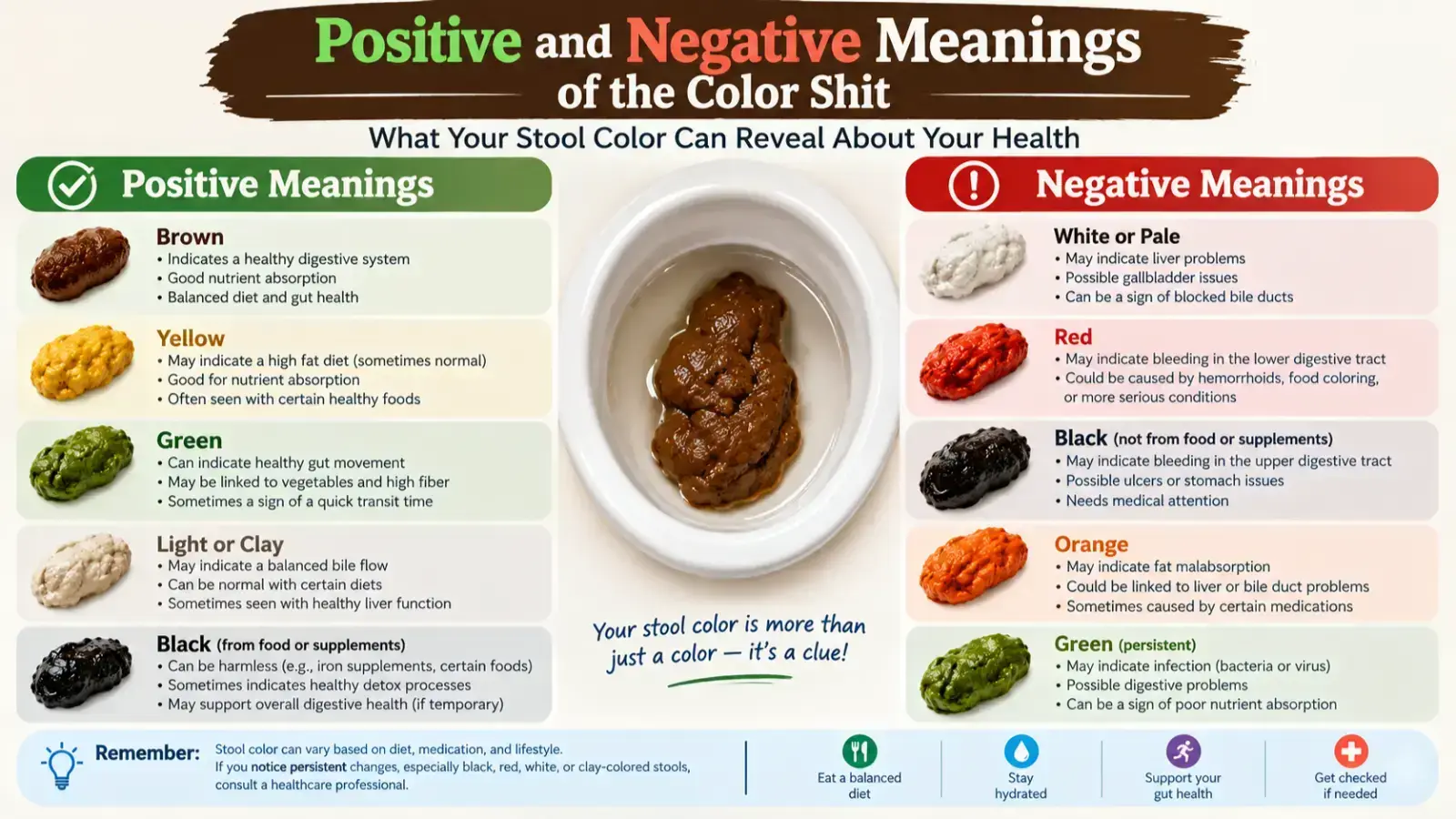
Positive Meanings
Although the phrase is often associated with unpleasant imagery, its earthy brown counterpart can carry constructive meanings in appropriate situations.
1. Naturalness and authenticity
Brown is common in soil, tree bark, and organic materials. In design, it can suggest a connection with nature and a preference for unpretentious materials.
Example: An environmental organization may use earthy brown in its composting campaign to emphasize natural processes.
2. Transformation and renewal
Organic matter can break down and contribute nutrients to soil through suitable natural processes. This creates a useful metaphor for personal growth and renewal.
Example: A school science project may use composting to demonstrate how suitable organic waste can become a resource.
3. Humor and playfulness
Feces-related imagery can create comedy when used intentionally and appropriately.
Example: A cartoon may feature an exaggerated brown character to create silly humor for its intended audience.
4. Realism and acceptance
Open discussion of bodily functions can help normalize topics that people sometimes find embarrassing.
Example: An educational resource may explain digestion and waste elimination in straightforward, age-appropriate language.
5. Environmental awareness
Organic waste can prompt discussion about recycling, composting, and responsible disposal.
Example: A community gardening project may use earthy brown graphics to explain composting practices.
Negative Meanings
The same visual associations can create unfavorable impressions in other situations.
1. Dirtiness and contamination
Feces are commonly associated with contamination, so imagery resembling them can produce an immediate negative response.
Example: A dessert decorated to look like feces may discourage customers from trying it.
2. Embarrassment and social discomfort
Bodily waste is a private subject in many cultures. Unexpected references may make formal conversations uncomfortable.
Example: A business presentation that relies on toilet humor could distract from its main message.
3. Poor quality or neglect
Discoloration that resembles staining or spoilage may cause consumers to question a product’s quality.
Example: Unexpected brown discoloration on a product that should appear fresh could raise concerns, although color alone cannot confirm a defect.
4. Boredom and dullness
A muddy brown palette can look visually flat when it lacks contrast or variation.
Example: A website using only dark brown, beige, and gray may appear monotonous without effective typography and visual hierarchy.
5. Unpleasantness in food-related settings
Feces-like imagery conflicts with familiar expectations about appetizing food.
Example: A restaurant that uses waste-like imagery in its primary branding could undermine its intended impression of freshness and hygiene.
These examples demonstrate that context, presentation, and audience expectations shape color symbolism.
Meanings of the Color Shit
The meaning of a feces-like brown shade changes according to the situation. In environmental education, it may represent decomposition and nutrient cycles. In comedy, it may communicate absurdity. product design, it could be interpreted as rustic or natural—or unpleasant if the appearance resembles waste too closely.
Feng Shui
In traditional Feng Shui, brown is generally associated with the Earth element, grounding, stability, and nourishment. These interpretations apply to brown as a broader color family, not specifically to feces-like shades.
- Energy symbolism: Earthy brown may represent steadiness and a connection with the physical environment.
- Best rooms: Warm brown accents can suit living rooms, studies, and other spaces intended to feel comfortable.
- Color combinations: Pair conventional brown with cream, muted green, off-white, or terracotta.
- Decorating tips: Use wood, stone, natural fabrics, and balanced lighting to create a grounded atmosphere.
Feng Shui is a traditional design system, and its symbolic claims should not be confused with scientifically established psychological effects.
Marketing
Brown is widely used in branding to communicate natural materials, craftsmanship, tradition, and simplicity. Shades that resemble feces require careful handling because they can also suggest dirtiness or contamination.
Branding psychology: Warm, conventional browns can create a rustic or grounded identity. The result depends on the shade, typography, imagery, and audience.
Consumer perception: Earthy packaging may appeal to customers looking for natural-looking products. A design that resembles waste, however, may reduce product appeal.
Trust signals: Clear labeling, professional presentation, product quality, and transparent information are more dependable trust signals than color alone.
Product packaging: Kraft paper and brown cardboard are common choices for products emphasizing simplicity or natural materials. Designers should avoid visual details that accidentally resemble feces.
Advertising applications: Brown can support gardening, composting, and sustainability campaigns. Explicit feces-like imagery is better suited to humor or satire when appropriate for the audience.
Recognizable brands such as UPS and Hershey’s use brown prominently in their branding. UPS associates brown with its corporate identity, while Hershey’s uses brown in connection with chocolate. These examples illustrate conventional brown branding rather than a specific association with feces.
Design
The difference between earthy brown and feces-like brown is important across several design disciplines.
- Interior design: Brown wood, leather, and textiles can create warmth. Muddy shades may feel unattractive if they dominate without lighter accents.
- Graphic design: Brown can communicate an organic or vintage aesthetic, while feces-like shapes may support comedy or satire.
- Web design: Earthy palettes can suit gardening, outdoor, and sustainability websites. Designers should maintain readable text and sufficient contrast.
- User experience: Color should support clear communication. Brown should not be the sole indicator of an error, warning, or interface state.
- Minimalist aesthetics: Brown can work with cream, off-white, and natural textures. Restrained use helps prevent the palette from feeling dull.
Effective visual hierarchy, accessible contrast, and appropriate imagery are more important than relying on symbolism alone.
Fashion
Brown is a versatile clothing color, although shades that strongly resemble feces can be more difficult to style.
Clothing symbolism: Conventional brown often communicates practicality, comfort, understated elegance, and a connection with nature.
Seasonal use: Camel, chocolate, and earthy brown are common in fall and winter wardrobes, although brown can be worn throughout the year.
Styling effects: Balanced brown outfits can look sophisticated with cream, denim, black, olive, or muted blue. Yellowish or greenish undertones may be more challenging to coordinate.
Personality impressions: Brown clothing may create an impression of simplicity or practicality, but it cannot reliably reveal a person’s character.
Advantages: Brown is versatile, pairs well with neutrals, and complements natural fabrics.
Disadvantages: Certain muddy shades may appear dull or less polished, especially when combined with similar colors without variation.
Practical example: Pair chocolate-brown trousers with a cream shirt and brown leather shoes for a classic outfit. If a garment has yellowish or greenish undertones, neutral accessories can make the overall look more intentional.
Color Associations Are Not Universal
Color symbolism differs across cultures, historical periods, and personal experiences. There is no single universal cultural meaning specifically established for shit-colored brown.
Western cultures: Brown commonly evokes soil, wood, autumn, practicality, and rustic materials. Feces-related associations may introduce disgust, embarrassment, or humor depending on the setting.
Eastern cultures: There is no single Eastern interpretation of brown. Meanings vary across countries, languages, and religious communities. In Japanese aesthetics, for example, subdued earth tones can appear in natural materials and traditional design without implying a connection to feces.
Religious traditions: Religious symbolism depends on specific teachings and practices. Brown may appear in garments, natural materials, or depictions of simplicity and humility, but feces-like brown does not have one universal sacred meaning.
Historical interpretations: Earth-derived brown pigments have been used in art and decoration for centuries. Organic waste has also served practical purposes in agriculture and other processes. These uses should not be mistaken for evidence of a shared symbolic meaning.
Modern global interpretations: Social media, memes, cartoons, and popular entertainment frequently use feces-related imagery for comedy. Environmental education, meanwhile, may present decomposition as an essential natural process. These associations can spread internationally, but individual reactions still vary.
The most reliable interpretation considers the audience, purpose, and cultural setting instead of assuming that everyone understands a color in the same way.
What Shit Color Says About Your Personality
There is no scientifically validated personality profile associated with a preference for shit-colored brown. General interpretations of brown may offer a starting point for discussing aesthetic preferences, but they cannot establish someone’s character, emotional health, or behavior.
People who enjoy earthy shades may appreciate natural materials, understated design, or practical clothing. Others may choose unusual feces-like colors because they enjoy satire, unconventional artwork, or provocative humor.
Potential associations include:
- Strengths: A preference for earthy colors may reflect an appreciation for simplicity, practicality, or natural aesthetics.
- Weaknesses: A very limited preference for muted shades may produce a less varied visual style, but this is a design consideration rather than a personality flaw.
- Social behavior: Someone who uses feces-related colors humorously may enjoy irreverent jokes, although humor preferences differ considerably.
- Work style: Brown may suit people who prefer restrained visual environments, but it does not predict productivity, reliability, or professional ability.
- Relationships: Color preferences cannot establish affection, loyalty, communication skills, or compatibility.
- Emotional tendencies: Responses to unusual colors may reflect memories, learned associations, or personal taste rather than stable emotional traits.
Color psychology can help explain how people respond to visual stimuli, but color preferences are not reliable personality tests. Individual experiences, culture, circumstances, and personal choices all influence interpretation.
Frequently Asked Questions
1. What defines the shit color?
Shit color usually describes a brown shade resembling human feces. Depending on the reference, it may appear tan, yellowish brown, dark brown, or olive-brown.
2. What does the color shit symbolize?
It may symbolize earthiness, waste, imperfection, disgust, humor, or natural transformation. Its meaning depends on the context and the viewer’s associations.
3. Why is shit color important?
The term can be useful when discussing visual descriptions, color perception, humor, and cultural attitudes toward bodily functions. Its broader brown associations also appear in art, fashion, and design.
4. Is shit color a warm or cool color?
Most brown shades are perceived as warm or neutral, especially when they contain red, orange, or yellow undertones. Brown with green or gray undertones may appear cooler or muddier.
5. What emotions does shit color represent?
It may evoke disgust, amusement, embarrassment, or neutrality. When perceived as ordinary earthy brown, it may also suggest warmth, practicality, and naturalness.
6. What does shit color mean spiritually?
There is no universally recognized spiritual meaning for this particular shade. Some people may interpret it metaphorically as a symbol of impermanence, transformation, or acceptance of natural processes.
7. What colors pair well with shit-colored brown?
For conventional earthy brown, cream, beige, olive green, muted blue, terracotta, and off-white can create balanced combinations. Lighter neutrals can help soften a shade with unpleasant yellow or green undertones.
8. What does liking shit color say about a person?
It does not establish a specific personality trait. A person might appreciate the shade for artistic experimentation, unconventional humor, earthy aesthetics, or personal reasons.
9. Is shit color used in design and marketing?
Brown is widely used in packaging, interiors, fashion, and branding. Shades that strongly resemble feces are less common in mainstream branding but may appear in comedy, satire, and environmental education.
10. Does shit color have the same meaning across cultures?
No. Responses depend on language, cultural expectations, personal experience, and context. Even when feces-related imagery is considered unpleasant, its use in humor or education can change how it is received.
Conclusion
Shit color meanings demonstrate how a familiar shade can carry different associations depending on its appearance and context. While feces-like brown may evoke disgust, embarrassment, or humor, the broader brown color family is often associated with earthiness, stability, natural materials, and simplicity. Its use in design, marketing, fashion, and environmental education shows that color symbolism is flexible rather than universal. Spiritual and personality interpretations should be treated as personal or cultural associations rather than established facts. Understanding the distinction between a shade and the object it resembles provides a more balanced perspective on color psychology and symbolism.