Symbolism Chinese color meanings reveals how colors can express luck, prosperity, status, mourning, harmony, spirituality, and cultural identity in Chinese traditions. Unlike a simple modern color psychology chart, Chinese color symbolism developed through centuries of history, philosophy, religion, social customs, and the Five Elements system. A single color can carry different meanings depending on its historical period, social setting, regional tradition, and modern context.
Red, for example, commonly represents happiness, celebration, good fortune, and prosperity, while white has strong associations with mourning and funerals in traditional Chinese culture. Understanding these meanings can help you interpret Chinese art, festivals, clothing, architecture, Feng Shui, branding, and everyday customs with greater cultural awareness.
Quick answer:
Chinese color meanings connect colors with emotions, social values, nature, the Five Elements, traditional beliefs, and important life events. Red often symbolizes luck and celebration, yellow represents imperial power and prestige, white relates to mourning, black connects with water and depth, and green represents growth and renewal.
What Do Symbolism Chinese Color Meanings Represent?
Chinese color symbolism does not follow one universal rule. Meanings developed from several overlapping traditions, including ancient philosophy, imperial history, religious practices, festivals, literature, clothing, architecture, and the Five Elements (Wu Xing).
The symbolism Chinese color meanings most commonly discussed today include:
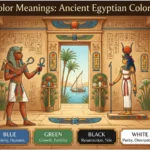
| Color | Common Traditional Associations |
|---|---|
| Red | Luck, happiness, celebration, prosperity |
| Yellow | Imperial authority, prestige, Earth, power |
| Green | Growth, nature, renewal, life |
| White | Mourning, funerals, purity, simplicity |
| Black | Water, depth, seriousness, authority |
| Blue | Calmness, nature, spirituality, context-dependent symbolism |
| Purple | Nobility, status, prestige, spirituality |
These associations provide useful cultural context, but they should not be treated as fixed rules. Historical Chinese color categories sometimes differed from modern Western color classifications.

Chinese Color Meanings and the Five Elements
One of the most important frameworks for understanding Chinese color symbolism is Wu Xing, commonly translated as the Five Elements or Five Phases.
The system connects five phases with nature, directions, seasons, colors, and other symbolic qualities.
| Five Element | Traditional Color Association | Common Symbolic Themes |
|---|---|---|
| Wood | Green / blue-green | Growth, spring, vitality |
| Fire | Red | Energy, warmth, celebration |
| Earth | Yellow | Stability, center, nourishment |
| Metal | White | Clarity, structure, purity |
| Water | Black | Depth, mystery, movement |
This framework explains why Chinese color meanings can differ from Western color psychology. A color may carry meaning because of its relationship with nature and cosmology rather than simply because people associate it with a particular emotion.
Why the Five Elements Matter
The Five Elements influenced traditional Chinese thought, medicine, architecture, art, Feng Shui, and other cultural practices. Colors became part of this symbolic system because people connected visual qualities with natural forces.
For example, red connects with Fire, while black connects with Water. Yellow traditionally represents Earth and occupies an important position as the center within the Five Elements framework.
Red Chinese Color Meaning
Red is one of the most recognizable colors in Chinese culture. Chinese color meanings associated with red commonly include luck, happiness, celebration, prosperity, vitality, and auspiciousness.
Red appears prominently during Lunar New Year celebrations, weddings, festivals, decorations, gift-giving, and traditional artwork.
What Does Red Symbolize in Chinese Culture?
Red traditionally communicates positive and auspicious ideas. People commonly use it to express:
- Good fortune
- Happiness
- Prosperity
- Celebration
- Vitality
- Success
- Protection
- Auspiciousness
During Lunar New Year, red decorations and red envelopes remain especially recognizable cultural symbols.
Red in Chinese Weddings
Red also holds an important place in traditional Chinese wedding customs. Wedding clothing, decorations, lanterns, and other ceremonial objects may feature red because of its association with happiness and good fortune.
However, wedding practices vary between families and regions, so not every modern Chinese wedding uses red in exactly the same way.
Yellow Chinese Color Meaning
Yellow carries a particularly strong historical association with imperial authority and prestige. Symbolism Chinese color meanings connects yellow with Earth in the Five Elements system and with the center.
Historically, yellow became closely associated with imperial power, particularly during periods when rulers controlled the use of certain colors and symbols.
What Does Yellow Symbolize in Chinese Culture?
Yellow can represent:
- Imperial authority
- Prestige
- Power
- Earth
- Stability
- The center
- High social status
The historical importance of yellow makes it more culturally complex than the modern Western association of yellow with happiness or optimism.
Green Chinese Color Meaning
Green commonly connects with nature, growth, spring, vitality, and renewal. Within the Five Elements framework, green or blue-green relates to Wood.
What Does Green Symbolize in Chinese Culture?
Green can suggest:
- Growth
- Renewal
- Nature
- Vitality
- Spring
- Life
- Development
Modern Chinese visual culture frequently uses green in environmental, natural, and health-related contexts. Still, the meaning can change depending on the object, phrase, social context, and shade.
The Historical Meaning of Qing
An important detail in Chinese color meanings is the traditional concept of qing. The ancient Chinese color category qing does not map perfectly onto a single modern English color.
Depending on historical context, qing could refer to colors that modern readers might describe as blue, green, blue-green, or related shades. This distinction helps explain why translating traditional Chinese color symbolism directly into modern Western color categories can sometimes create inaccuracies.
White Chinese Color Meaning
It has a distinctive role in traditional Chinese culture. White Chinese color meanings often include mourning, funerals, grief, and death.
This association differs significantly from many Western traditions, where white frequently represents weddings, purity, innocence, or celebration.
What Does White Symbolize in Chinese Culture?
Traditional associations include:
- Mourning
- Funerals
- Grief
- Death
- Purity
- Simplicity
- Metal within the Five Elements
White’s meaning depends heavily on context. A white garment used in a traditional mourning context carries a very different message from a white wall, product package, or modern fashion item.
White and Funerals
White traditionally appears in Chinese funeral and mourning practices. This makes white an important example of why cultural awareness matters when interpreting symbolism Chinese color meanings.
A color that communicates purity or celebration in one cultural environment may communicate grief in another.
Black Chinese Color Meaning
Black traditionally connects with Water in the Five Elements system. It can represent depth, mystery, seriousness, and the unknown.
What Does Black Symbolize in Chinese Culture?
Traditional and historical associations can include:
- Water
- Depth
- Mystery
- The north
- Seriousness
- Authority
- Darkness
- The unknown
Modern Chinese design also uses black to communicate elegance, sophistication, strength, and minimalism. These contemporary associations may coexist with older symbolic meanings.
Blue Chinese Color Meaning
Blue requires careful interpretation because historical Chinese color categories do not always correspond neatly with modern Western color names.
Modern blue can suggest calmness, openness, nature, spirituality, or tranquility depending on the context. However, traditional symbolism may classify certain blue-green shades differently.
Blue and Traditional Chinese Color Categories
When studying Chinese color meanings, researchers should consider the historical period and terminology involved. The ancient category qing provides a useful example because it could encompass shades that modern English speakers might classify as either blue or green.
Therefore, a modern chart that assigns one fixed meaning to “blue” should not automatically be applied to every historical Chinese source.
Purple Chinese Color Meaning
Purple has developed associations with nobility, prestige, status, spirituality, and authority.
Historical symbolism sometimes connects purple with elevated social or spiritual status. In modern design and fashion, purple can also communicate luxury, creativity, sophistication, and individuality.
Purple in Chinese Culture
Purple may symbolize:
- Nobility
- Prestige
- Status
- Spirituality
- Authority
- Luxury
The exact interpretation depends on the historical and cultural setting.

Chinese Color Meanings in Feng Shui
Feng Shui provides another important framework for understanding symbolism Chinese color meanings. In Feng Shui practice, colors can connect with the Five Elements and may influence how people symbolically organize spaces.
A simplified traditional association looks like this:
- Red: Fire
- Green: Wood
- Yellow: Earth
- White: Metal
- Black: Water
People may select colors according to the atmosphere or symbolic qualities they want to emphasize. For example, green can support a nature-oriented visual theme, while red can create an energetic and celebratory atmosphere.
Modern Feng Shui interpretations vary considerably, so these associations should be presented as traditional or contemporary practices rather than scientific laws.
Chinese Color Meanings in Festivals and Celebrations
Color becomes especially visible during Chinese festivals and ceremonial occasions.
Lunar New Year
Red dominates many Lunar New Year decorations. Red lanterns, paper decorations, banners, clothing, and envelopes reflect associations with good fortune, happiness, and prosperity.
Weddings
Traditional Chinese wedding customs frequently use red because of its connection with happiness and auspiciousness.
Lantern Festival
Lanterns introduce bright colors into public celebrations, while red remains an important traditional color for festive decoration.
Gift-Giving
Color can also affect how people perceive gifts and packaging. Cultural context matters because a color associated with celebration may create a different impression from one traditionally connected with mourning.
Chinese Color Meanings in Clothing and Fashion
Clothing provides another window into cultural symbolism. Traditional garments used color to communicate social position, occasion, ceremony, and identity.
Historically, color restrictions and preferences could reflect social hierarchy and political authority. Imperial clothing, ceremonial garments, and everyday clothing did not always follow the same rules.
Today, Chinese fashion combines traditional symbolism with global design trends. Red may still appear strongly in festive or bridal clothing, while black, white, blue, and other colors appear widely in everyday fashion.
Modern clothing choices therefore cannot always be interpreted using historical symbolism alone.
Chinese Color Symbolism in Art and Design
Artists have used color to create emotional, spiritual, political, and natural associations throughout Chinese history.
Traditional paintings often use color differently from modern Western paintings. The importance of ink, line, negative space, mineral pigments, and symbolic landscapes means that color may function as part of a broader visual language.
Modern Chinese graphic design combines traditional cultural references with international design principles. Designers may use red to communicate celebration or national identity, gold to suggest luxury, and restrained neutral colors for contemporary minimalism.

Chinese Color Meanings in Marketing and Branding
Businesses targeting Chinese-speaking audiences should understand cultural color associations before choosing brand colors.
Red can communicate energy, celebration, and good fortune. Gold may suggest prestige or luxury. White can create a clean modern appearance, but marketers should remember its traditional association with mourning.
How Brands Can Use Chinese Color Symbolism
Effective color selection should consider:
- The target audience
- The product category
- Regional culture
- The occasion
- Packaging conventions
- Historical associations
- Modern consumer expectations
Color should support the overall brand message rather than determine it on its own.
Chinese Color Meanings in Religion and Spirituality
Religious and spiritual traditions also influence color symbolism in China.
Buddhist, Taoist, and Chinese folk traditions can assign different meanings to colors, objects, garments, and ceremonial spaces. These meanings may overlap with broader cultural symbolism but should not be treated as identical.
For example, a color used in a religious painting may carry a specific symbolic function that differs from its meaning in clothing or festival decoration.
Understanding the religious context can therefore provide a more accurate interpretation.
Historical Development of Chinese Color Symbolism
Chinese color symbolism developed over many centuries rather than emerging from one single system.
Ancient philosophical traditions connected colors with nature, directions, seasons, and the Five Elements. Imperial governments later gave certain colors strong political and social associations.
Different dynasties also developed different practices involving clothing, architecture, ceremony, and artistic conventions.
Imperial China
Yellow became strongly connected with imperial authority, while other colors could communicate rank, ceremonial function, or social position.
Modern China
Modern Chinese society combines historical symbolism with global fashion, advertising, technology, architecture, and popular culture. As a result, contemporary meanings often differ from traditional ones.

Are Chinese Color Meanings Universal?
No. Symbolism Chinese color meanings should never be treated as a universal dictionary in which every color has one permanent definition.
Interpretations can change according to:
- Historical period
- Region
- Religion
- Social class
- Age group
- Occasion
- Shade
- Object
- Language
- Modern versus traditional context
For example, white may traditionally communicate mourning in one setting but represent simplicity or modernity in another.
Similarly, red can communicate good fortune in a festive setting while taking on different meanings in political, commercial, artistic, or personal contexts.
Chinese Color Meanings vs. Western Color Symbolism
Chinese and Western color symbolism sometimes overlap, but important differences remain.
| Color | Common Chinese Associations | Common Western Associations |
|---|---|---|
| Red | Luck, happiness, prosperity | Passion, danger, love, energy |
| Yellow | Imperial power, Earth, prestige | Happiness, optimism, caution |
| White | Mourning, funerals, purity | Purity, innocence, peace |
| Black | Water, depth, seriousness | Elegance, mourning, power |
| Green | Growth, nature, Wood | Nature, health, renewal |
| Purple | Prestige, nobility, spirituality | Luxury, creativity, royalty |
| Blue | Context-dependent, nature, calm | Trust, calmness, stability |
These comparisons are broad cultural patterns, not universal psychological rules.
Positive and Negative Chinese Color Symbolism
A color can have both positive and negative associations.
Red commonly carries positive associations with luck and celebration, but its intensity can also communicate danger or urgency in modern contexts.
White can represent simplicity and purity while also carrying traditional associations with mourning.
Black can communicate authority and sophistication but may also suggest darkness or mystery.
The surrounding context determines which interpretation becomes most relevant.
Chinese Color Meanings and Personality
Color preferences do not reliably determine a person’s personality. Someone who prefers red does not automatically possess a particular personality type, and someone who avoids white does not necessarily share a specific psychological trait.
Instead, color preference can reflect personal taste, cultural experience, fashion trends, memories, environment, and individual associations.
For this reason, Chinese color meanings are most useful when studying cultural symbolism rather than predicting personality.

Why Understanding Chinese Color Symbolism Matters
Understanding cultural color symbolism can prevent misunderstandings and improve cross-cultural communication.
It can help:
- Designers choose culturally appropriate palettes
- Marketers create better campaigns
- Writers describe Chinese traditions accurately
- Travelers understand customs
- Researchers interpret historical artwork
- Businesses adapt packaging
- Educators explain cultural traditions
- International brands communicate respectfully
The key is to use color meanings as cultural context rather than rigid rules.
FAQs:
What is the most important color in Chinese culture?
Red is one of the most culturally recognizable colors in China. It commonly represents luck, happiness, celebration, prosperity, and auspiciousness.
What does red mean in Chinese culture?
Red commonly symbolizes good fortune, happiness, prosperity, celebration, vitality, and auspiciousness. It appears frequently during festivals and weddings.
What does white mean in Chinese culture?
Traditional white symbolism often connects with mourning, funerals, grief, and death. White can also represent purity, simplicity, or modernity depending on the context.
What does yellow symbolize in Chinese culture?
Yellow has strong historical associations with imperial authority, prestige, Earth, stability, and the center within the Five Elements system.
What does black symbolize in Chinese culture?
Black traditionally connects with Water and can symbolize depth, mystery, seriousness, darkness, and the north.
What does green symbolize in Chinese culture?
Green or blue-green traditionally connects with Wood and can symbolize growth, spring, nature, vitality, and renewal.
What are the five element colors in Chinese culture?
The commonly cited associations are green or blue-green for Wood, red for Fire, yellow for Earth, white for Metal, and black for Water.
Why is white associated with death in Chinese culture?
Traditional Chinese mourning customs often use white, which created a strong cultural connection between white clothing and funerals or grief.
Does purple have a special meaning in Chinese culture?
Purple can symbolize nobility, prestige, status, authority, and spirituality, although its interpretation depends on historical and modern context.
Are Chinese color meanings the same everywhere?
No. Meanings can vary by historical period, region, religion, social context, occasion, and modern cultural influence.
What does color symbolism mean in Chinese art?
Color symbolism in Chinese art can communicate nature, status, spirituality, emotions, cosmological ideas, and cultural themes. Its interpretation depends on the artwork and historical period.
How does Feng Shui use Chinese colors?
Feng Shui traditionally connects colors with the Five Elements. Red corresponds with Fire, green with Wood, yellow with Earth, white with Metal, and black with Water.
Conclusion
Symbolism Chinese color meanings reflects a rich cultural system shaped by history, philosophy, religion, nature, social customs, and the Five Elements. Red commonly represents luck and celebration, yellow carries historical associations with imperial authority, green connects with growth and Wood, white traditionally relates to mourning, black represents Water and depth, and purple can suggest prestige and spirituality.
Yet no color has one universal meaning across all Chinese communities or historical periods. The most accurate approach considers the color, context, historical period, occasion, and cultural tradition together. By doing so, readers, designers, marketers, and researchers can appreciate Chinese color symbolism without reducing a complex culture to a simple color chart.