Candle color meanings have been used for centuries in spiritual practices, religious ceremonies, meditation, manifestation rituals, and personal reflection.
Different candle colors are believed to carry unique energies and symbolic messages that influence emotions, intentions, and spiritual focus.
Whether used in prayer, mindfulness, home décor, or candle magic traditions, colors help communicate specific goals such as healing, protection, love, prosperity, or transformation.
Understanding candle color symbolism can help you choose the right candle for your intention, mood, or environment. While meanings vary among cultures and traditions, many interpretations share common themes rooted in psychology, spirituality, and historical symbolism.
Quick Answer:
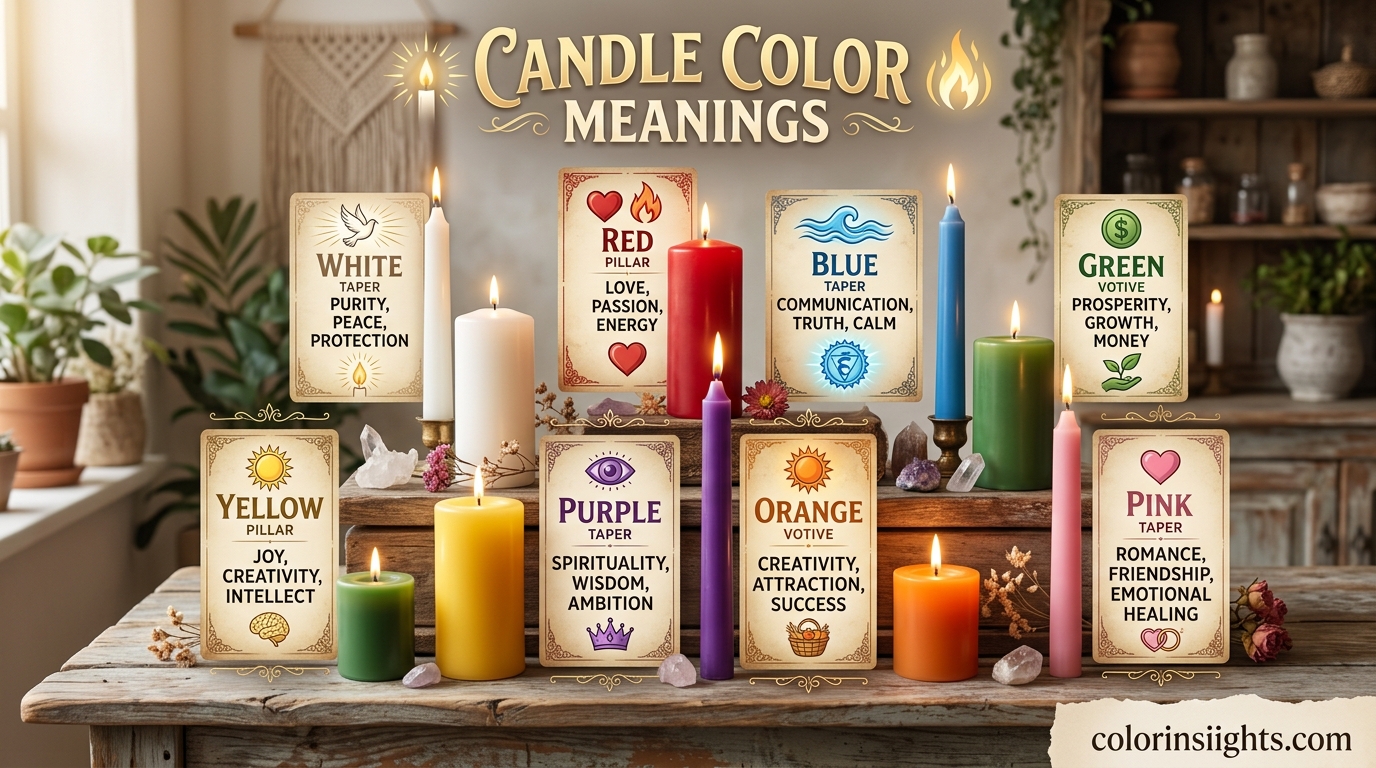
Candle color meanings represent different energies, emotions, and intentions. For example, white symbolizes purity and protection, red represents passion and strength, green signifies abundance and growth, blue encourages peace and healing, and purple is associated with spirituality and wisdom.
What Do Candle Colors Symbolize?
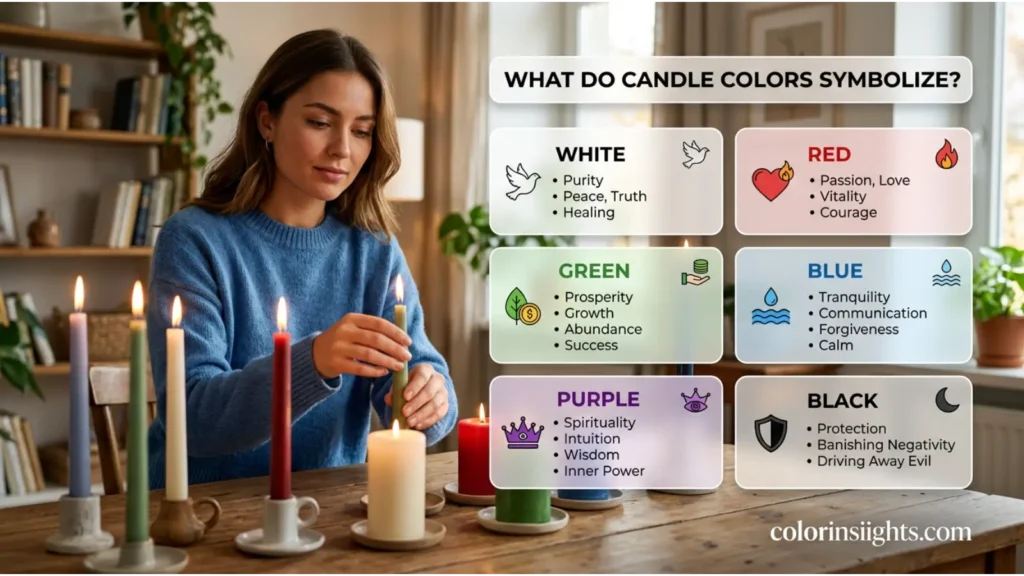
Candle colors symbolize specific emotional, spiritual, and psychological qualities. Across many traditions, color serves as a visual language that helps focus intention and reinforce meaning during rituals, meditation, celebrations, and daily life.
Common candle color symbolism includes:
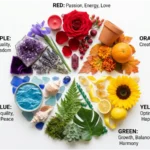
- White: Purity, peace, cleansing, protection.
- Red: Passion, courage, vitality, strength.
- Pink: Love, compassion, friendship.
- Orange: Creativity, enthusiasm, confidence.
- Yellow: Joy, optimism, intelligence.
- Green: Growth, prosperity, healing.
- Blue: Calmness, truth, communication.
- Purple: Spirituality, wisdom, transformation.
- Black: Protection, banishing negativity.
- Brown: Stability, grounding, reliability.
- Gold: Success, achievement, abundance.
- Silver: Intuition, reflection, feminine energy.
The meaning of a candle often depends on the purpose for which it is used and the cultural or spiritual tradition behind the practice.
Psychological Characteristics of Candle Colors
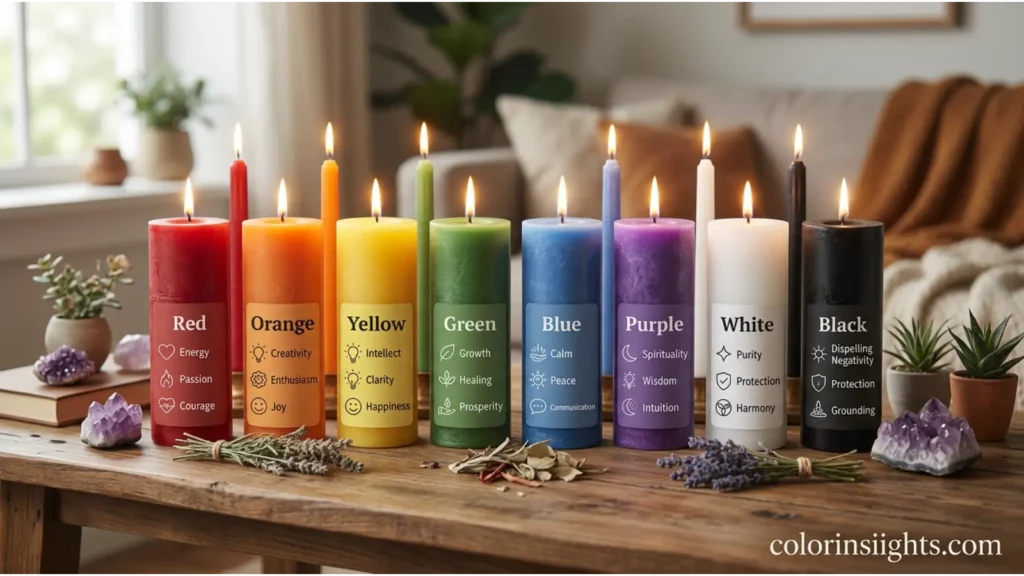
Color psychology suggests that colors influence emotional responses, perception, and behavior. The color of a candle can affect how people feel in a room and may reinforce specific intentions during meditation or reflection.
Emotional Associations
- White promotes peace and clarity.
- Red stimulates excitement and energy.
- Blue encourages relaxation and trust.
- Green creates feelings of balance and renewal.
- Purple inspires imagination and spirituality.
- Yellow promotes happiness and optimism.
Psychological Effects
- Warm colors often increase energy and activity.
- Cool colors typically encourage calmness and concentration.
- Neutral colors can create stability and simplicity.
- Dark colors may evoke seriousness and introspection.
Positive Emotional Responses
- Comfort
- Hope
- Confidence
- Motivation
- Security
- Inspiration
- Emotional balance
Negative Emotional Responses
- Anxiety from overstimulating colors
- Sadness associated with certain dark shades
- Emotional distance from overly cool tones
- Restlessness caused by intense warm colors
Impact on Mood and Behavior
People frequently choose candle colors that match desired emotional states. A blue candle may support relaxation after work, while a yellow candle can create a cheerful atmosphere during social gatherings.
Typical Reactions to Candle Colors
- Red often attracts attention.
- Green feels refreshing and natural.
- White appears clean and peaceful.
- Purple feels mystical and luxurious.
- Gold conveys success and prestige.
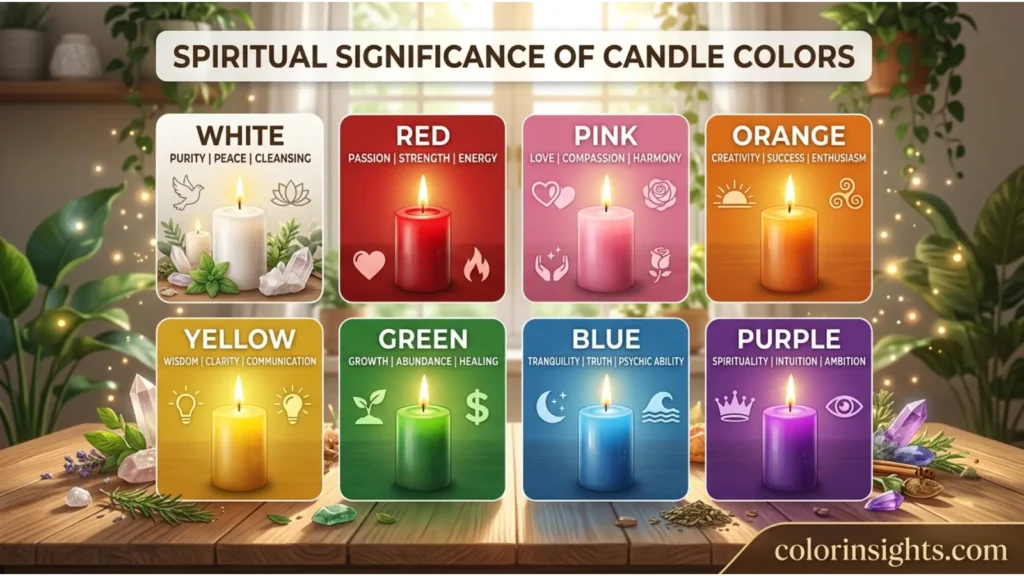
Spiritual Significance of Candle Colors
Many spiritual traditions associate candle colors with specific energies, virtues, and life goals. Colored candles are often used as symbolic tools to strengthen focus and intention.
Spiritual Symbolism Includes
- Holiness: White candles in religious ceremonies.
- Wisdom: Purple and indigo candles.
- Purity: White candles for cleansing rituals.
- Transformation: Purple and black candles.
- Healing: Blue and green candles.
- Protection: White and black candles.
- Power: Red and gold candles.
- Enlightenment: White and violet candles.
- New Beginnings: Green and white candles.
- Eternity: White and silver candles.
Many spiritual practitioners believe that candle colors help align thoughts and intentions with desired outcomes, though interpretations vary widely among traditions.
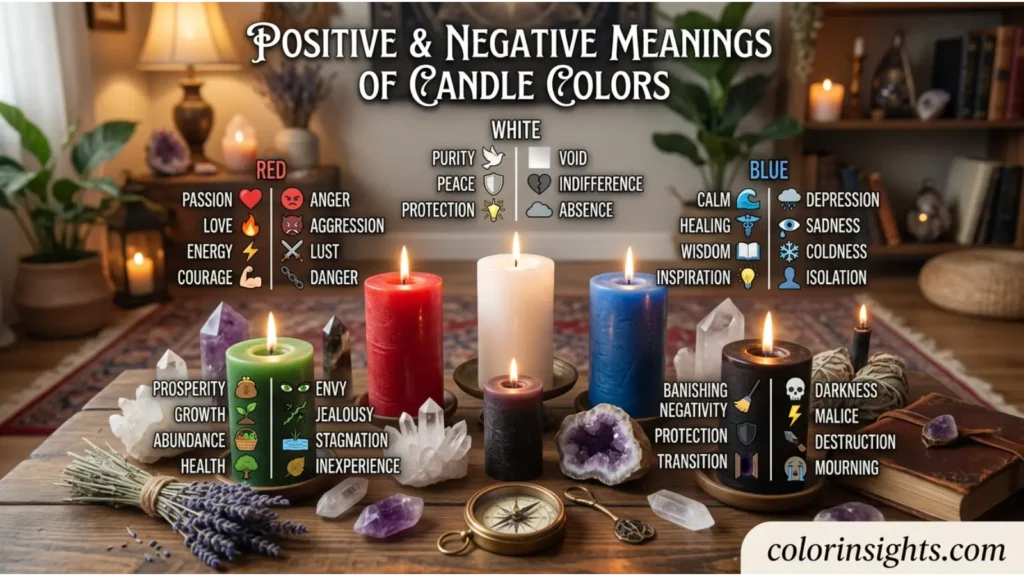
Positive and Negative Meanings of Candle Colors
Positive Meanings
Candle colors often symbolize uplifting and constructive qualities.
Purity
White candles are commonly associated with innocence, truth, and spiritual cleansing.
Peace
Blue and white candles frequently represent tranquility and emotional calm.
Simplicity
Neutral-colored candles create an uncluttered and balanced atmosphere.
Clarity
Yellow and white candles are often linked to mental focus and understanding.
Freshness
Green candles symbolize renewal, growth, and vitality.
Hope
Gold, yellow, and white candles are frequently connected with optimism and faith.
Balance
Green and blue candles often represent harmony between mind and emotions.
Harmony
Soft colors such as pink and lavender encourage emotional connection and cooperation.
Negative Meanings
Certain candle colors may also carry less favorable symbolism depending on context.
Emptiness
An overly sterile white environment can feel impersonal or vacant.
Isolation
Cool colors may sometimes create emotional distance.
Coldness
Blue and silver tones can occasionally seem detached or overly formal.
Sterility
Excessive use of white may resemble clinical environments.
Boredom
Muted or repetitive color schemes may lack stimulation.
Emotional Distance
Cool-toned candles can appear reserved in highly social settings.
Perfectionism
White symbolism may sometimes be associated with unrealistic standards or excessive self-criticism.
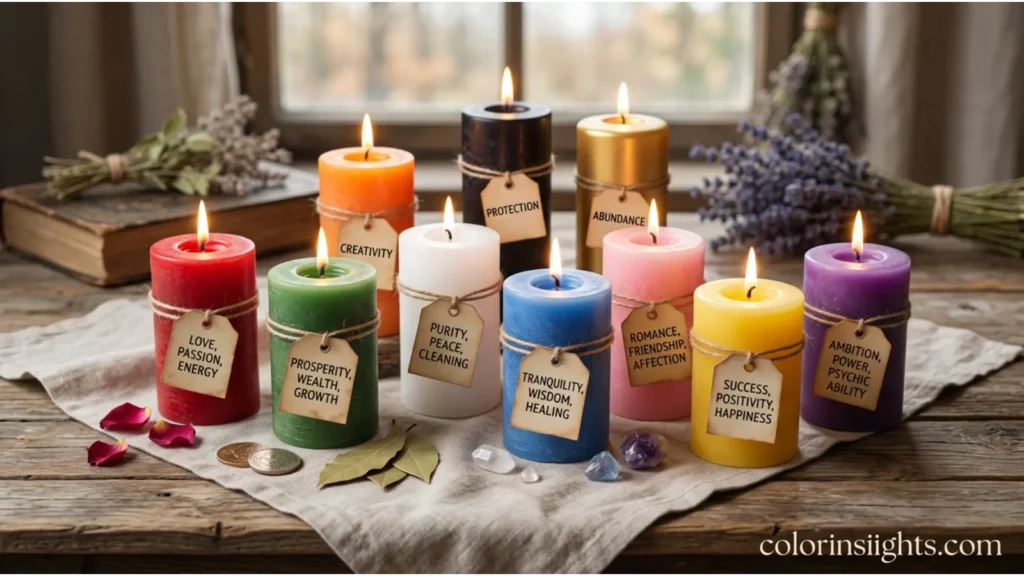
Understanding Different Candle Color Meanings
The symbolism of candle colors changes depending on spiritual traditions, personal beliefs, cultural interpretations, and practical uses.
Feng Shui
In Feng Shui, candle colors are chosen to balance energy and support specific intentions.
Associated Elements
- Red: Fire
- Blue: Water
- Green: Wood
- Yellow: Earth
- White: Metal
Energy Symbolism
- Red increases active energy.
- Green encourages growth.
- Blue promotes calmness.
- White supports clarity and organization.
Best Rooms
- Red: Living rooms and social spaces.
- Blue: Bedrooms and meditation rooms.
- Green: Home offices and family areas.
- White: Entryways and workspaces.
Recommended Color Combinations
- Green and blue for balance.
- White and gold for abundance.
- Red and gold for prosperity.
Home Decorating Tips
Use candle colors strategically to support the desired mood and energy of each room without overwhelming the space.
Marketing
Color psychology plays an important role in candle branding and product marketing.
Branding Psychology
- White suggests purity and simplicity.
- Black conveys luxury and sophistication.
- Gold communicates prestige.
- Green implies eco-friendliness.
Consumer Perception
Consumers often associate candle colors with emotional experiences and fragrance expectations.
Trust Signals
Soft, natural colors frequently communicate authenticity and wellness.
Product Packaging
Many candle companies align packaging colors with intended benefits, such as relaxation, energy, or self-care.
Advertising Applications
Marketing campaigns use color symbolism to create emotional connections with buyers.
Examples of brands using color-focused candle marketing include Yankee Candle, Bath & Body Works, and Diptyque.
Design
Candle colors influence visual aesthetics and atmosphere.
Interior Design
Colored candles can reinforce room themes and seasonal décor.
Graphic Design
Candle imagery often uses symbolic color palettes to communicate mood.
Web Design
E-commerce stores frequently use color psychology to guide purchasing decisions.
User Experience
Consistent color messaging improves emotional recognition and brand identity.
Minimalist Aesthetics
White, beige, black, and soft gray candles remain popular in modern minimalist spaces.
Fashion
The symbolism of candle colors often parallels color meanings in clothing.
Clothing Symbolism
- Red suggests confidence.
- Blue indicates reliability.
- White communicates simplicity.
- Purple conveys creativity.
Seasonal Use
- Bright colors dominate spring and summer.
- Rich jewel tones appear frequently in fall and winter.
Styling Effects
Colors can influence perceived energy, professionalism, and attractiveness.
Personality Impressions
People often make assumptions based on color choices, though these impressions are not always accurate.
Advantages
- Enhance mood.
- Create visual interest.
- Support personal expression.
Disadvantages
- Cultural misunderstandings.
- Potential color overload.
- Differing personal interpretations.
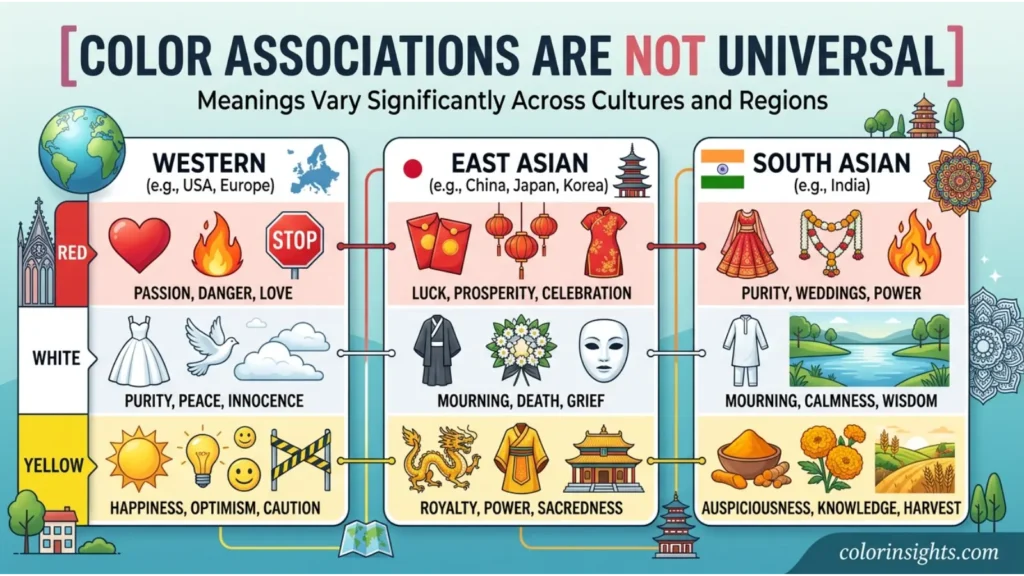
Color Associations Are Not Universal
Color symbolism varies significantly around the world.
Western Cultures
In many Western societies, white symbolizes purity and weddings, while black is commonly associated with mourning and formality.
Eastern Cultures
Several Eastern traditions associate red with luck, prosperity, and celebration. White may be linked to mourning in some regions.
Religious Traditions
Different faiths use colors to represent sacred concepts. White often symbolizes holiness, while purple may represent spiritual authority and devotion.
Historical Interpretations
Throughout history, rare colors such as purple signified wealth and power because pigments were expensive and difficult to obtain.
Modern Global Interpretations
Global media and branding have influenced color meanings, creating more shared interpretations across cultures while preserving regional differences.
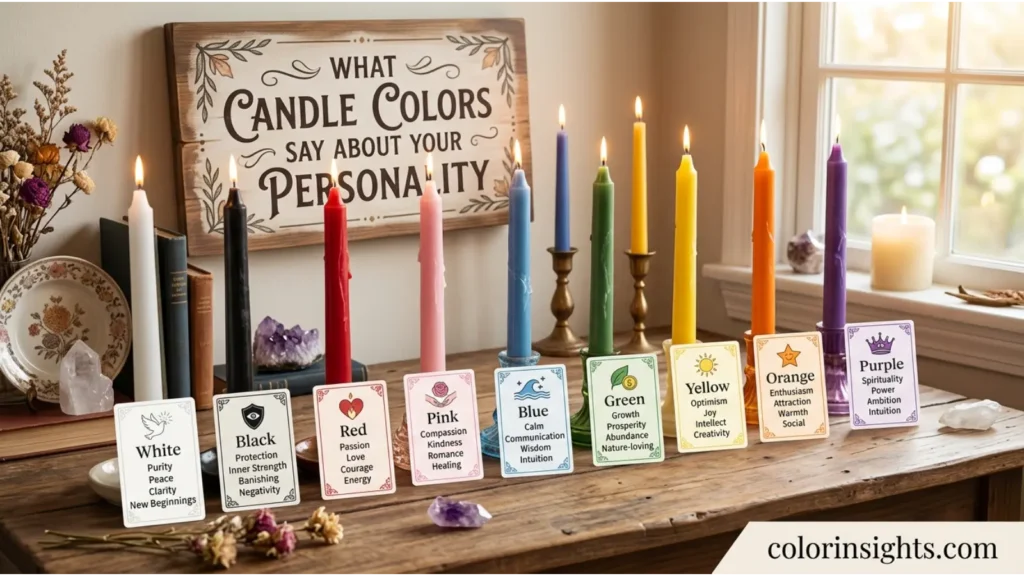
What Candle Colors Say About Your Personality
People are often drawn to certain candle colors because they reflect preferences, emotions, or desired experiences. However, color preferences do not determine personality with certainty.
Strengths
Individuals who prefer symbolic candle colors may value:
- Self-expression
- Creativity
- Emotional awareness
- Personal growth
- Reflection
Weaknesses
Possible tendencies include:
- Overthinking symbolism
- Emotional sensitivity
- Idealism
- Perfectionism
Social Behavior
Color enthusiasts often enjoy creating welcoming environments and expressing identity through aesthetics.
Work Style
They may appreciate organized, visually appealing spaces that support focus and productivity.
Relationships
People who enjoy meaningful color symbolism often value emotional connection and thoughtful communication.
Emotional Tendencies
Different color preferences may reflect current emotional needs rather than permanent personality traits.
For example:
- Blue lovers may seek calm.
- Red lovers may enjoy excitement.
- Green lovers may prioritize balance.
- Purple lovers may appreciate creativity and spirituality.
FAQs:
What defines candle color meanings?
Candle color meanings are symbolic interpretations that associate specific colors with emotions, spiritual intentions, psychological effects, and cultural traditions.
What do candle colors symbolize?
They commonly symbolize qualities such as love, healing, prosperity, protection, wisdom, peace, courage, and transformation.
Why are candle colors important?
Colors help reinforce intentions, influence mood, and create emotional or spiritual associations during rituals, meditation, or everyday use.
Are candle color meanings universal?
No. Meanings vary among cultures, religions, historical periods, and personal belief systems.
Which candle color represents protection?
White and black candles are most commonly associated with protection and spiritual boundaries.
What candle color symbolizes love?
Pink represents affection and compassion, while red symbolizes passion and romantic energy.
What candle color means prosperity?
Green and gold candles are frequently linked to abundance, wealth, and success.
What candle color is best for healing?
Blue and green candles are commonly associated with emotional, physical, and spiritual healing.
What colors pair well with candle symbolism?
Popular combinations include white and gold, blue and silver, green and brown, and red and gold.
What does liking certain candle colors say about a person?
Color preferences may reflect emotional needs, aesthetic tastes, values, or desired experiences, but they do not scientifically define personality.
Which candle color is used for meditation?
Blue, purple, and white candles are frequently chosen for meditation and mindfulness practices.
Can candle colors affect mood?
Research in color psychology suggests colors can influence emotional perception and atmosphere, though individual responses vary.
Conclusion:
Candle color meanings combine psychology, spirituality, culture, symbolism, and personal interpretation. From the calming influence of blue to the passionate energy of red and the cleansing symbolism of white, each candle color carries unique associations that can enhance rituals, décor, meditation, and emotional well-being.
While meanings differ across traditions, understanding candle color symbolism provides a useful framework for selecting candles that align with specific intentions, environments, and personal preferences.
Ultimately, candle colors serve as powerful visual symbols that help people express goals, emotions, and spiritual aspirations.