Flowers communicate emotions and messages through their colors, making color flower meanings an important part of culture, psychology, art, and everyday life. Whether given as gifts, used in weddings, planted in gardens, or displayed in homes, flower colors influence how people perceive beauty, emotion, and intention.
While the type of flower carries symbolism, its color often changes or strengthens its meaning. Understanding flower color symbolism helps people choose the right blooms for celebrations, condolences, romance, gratitude, and personal expression.
Quick Answer:
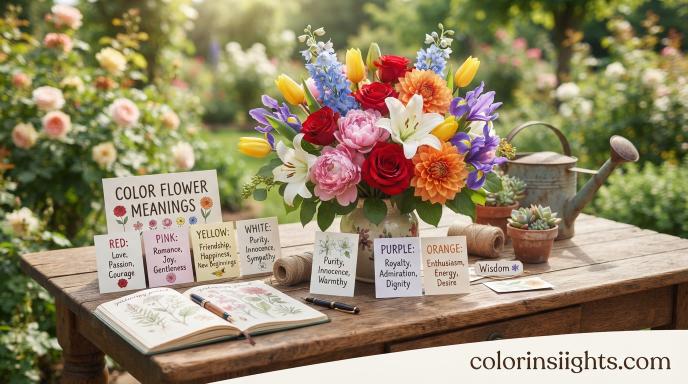
Color flower meanings represent different emotions and messages. For example, red symbolizes love, white represents purity, yellow expresses friendship, pink conveys admiration, purple signifies royalty, blue reflects peace, and orange symbolizes enthusiasm and energy.
What Does the Color Flower Symbolize?
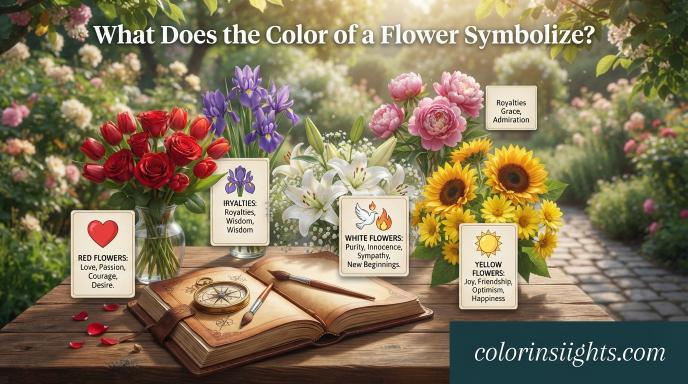
Color flowers symbolize emotions, personality, traditions, and cultural values. Different flower colors communicate unique messages without using words, making them one of the world’s oldest forms of symbolic communication.
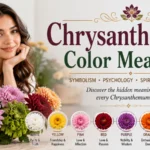
Common flower color symbolism includes:
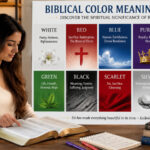
- Red: Love, passion, courage, romance
- Pink: Affection, gratitude, gentleness
- White: Purity, innocence, peace
- Yellow: Friendship, joy, optimism
- Orange: Energy, enthusiasm, excitement
- Purple: Royalty, dignity, luxury, spirituality
- Blue: Trust, calmness, serenity
- Green: Growth, renewal, good health
- Lavender: Grace, elegance, enchantment
- Black: Mystery, farewell, remembrance
The symbolism also changes depending on the flower species. For example, a red rose communicates romantic love, while a red tulip often symbolizes perfect love and devotion.
Psychological Characteristics of the Color Flower
Color psychology explains that flower colors influence emotional responses before people consciously recognize them. The human brain naturally associates colors with memories, emotions, and experiences.
Emotional Associations
- Love and affection
- Happiness
- Peace
- Hope
- Sympathy
- Confidence
- Comfort
- Celebration
Psychological Effects
Flower colors can:
- Improve mood
- Reduce stress
- Encourage optimism
- Increase emotional connection
- Create memorable experiences
- Influence purchasing decisions
- Enhance environmental comfort
Positive Emotional Responses
- Joy
- Romance
- Gratitude
- Relaxation
- Inspiration
- Confidence
- Excitement
- Emotional warmth
Negative Emotional Responses
Depending on context, some flower colors may evoke:
- Sadness
- Nostalgia
- Grief
- Jealousy
- Isolation
- Melancholy
- Anxiety
- Emotional distance
Impact on Mood and Behavior
Research in environmental psychology suggests colorful flowers improve emotional well-being by increasing positive feelings and reducing stress. Warm-colored flowers such as red and orange stimulate energy, while cool-colored flowers like blue and lavender encourage calmness.
How People Typically React
People often choose flower colors based on the occasion:
- Red flowers for romance
- White flowers for weddings and remembrance
- Yellow flowers for friendship
- Pink flowers for appreciation
- Purple flowers for admiration
- Blue flowers for peaceful environments
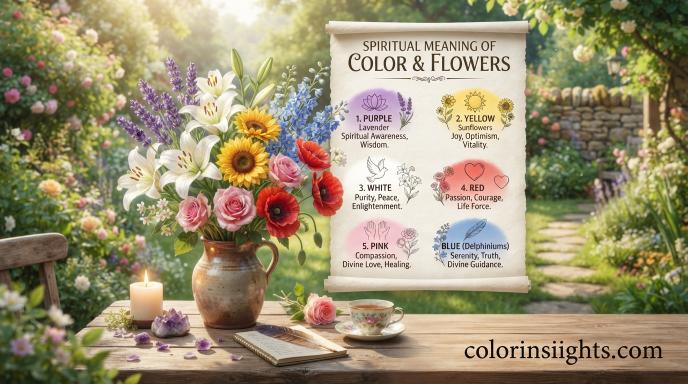
Spiritual Meaning of the Color Flower
Across many spiritual traditions, flower colors represent deeper meanings beyond physical beauty.
Holiness
White flowers symbolize spiritual purity and sacred ceremonies.
Wisdom
Purple flowers often represent wisdom, higher consciousness, and spiritual maturity.
Purity
White lilies and white roses symbolize innocence and moral integrity.
Transformation
Butterfly-attracting flowers and blooming plants often represent personal growth and transformation.
Healing
Green foliage and blue flowers are commonly associated with emotional and physical healing.
Protection
Certain traditions believe brightly colored flowers placed near entrances bring positive energy and protection.
Power
Red flowers symbolize strength, vitality, and life force.
Enlightenment
Lotus flowers in white, blue, and pink represent spiritual awakening and enlightenment.
New Beginnings
Spring flowers in pastel shades symbolize renewal, hope, and fresh starts.
Eternity
Everlasting flowers and circular floral arrangements often symbolize the continuous cycle of life.
Positive and Negative Meanings of the Color Flower
Positive Meanings
Flower colors often express uplifting emotions and positive intentions.
- Purity: White roses at weddings symbolize innocence.
- Peace: Blue flowers create calming environments.
- Simplicity: White daisies represent uncomplicated beauty.
- Clarity: Light-colored flowers promote mental freshness.
- Freshness: Green blooms symbolize healthy growth.
- Hope: Yellow flowers brighten difficult situations.
- Balance: Lavender flowers create emotional harmony.
- Harmony: Mixed floral arrangements celebrate unity.
Negative Meanings
Color meanings depend on culture and context.
- Emptiness: Plain white arrangements may appear emotionally distant.
- Isolation: Dark flowers can suggest loneliness.
- Coldness: White floral designs sometimes feel sterile.
- Sterility: Minimalist white bouquets may seem clinical.
- Boredom: Overuse of neutral flowers can lack emotional warmth.
- Emotional Distance: Pale flowers may communicate reserve.
- Perfectionism: Highly symmetrical floral displays can appear overly formal.
Real-world example:
White flowers decorate hospitals because they symbolize cleanliness, but some people associate them with grief or emotional distance.
Meanings of the Color Flower
Flower color meanings change depending on personal experiences, traditions, celebrations, and cultural expectations.
Feng Shui
In Feng Shui, flower colors influence the flow of positive energy (Qi).
- Associated Element: Depends on the color. Red relates to Fire, green to Wood, white to Metal, blue to Water, and yellow to Earth.
- Energy Symbolism: Flowers attract vitality, prosperity, and emotional balance.
- Best Rooms: Living rooms, entryways, dining rooms, meditation spaces, and bedrooms.
- Recommended Color Combinations: White with green for harmony, pink with white for relationships, yellow with orange for abundance.
- Home Decorating Tips: Use fresh flowers, avoid wilted blooms, and match flower colors to the desired energy in each room.
Marketing
Flower colors play an important role in branding and consumer psychology.
Branding Psychology
Businesses use flower imagery and floral colors to communicate emotions such as trust, luxury, freshness, and romance.
Consumer Perception
Customers often associate colorful floral packaging with quality, care, and premium products.
Trust Signals
Natural flower colors increase perceptions of authenticity and sustainability.
Product Packaging
Beauty brands frequently use pink, lavender, and white floral designs to emphasize elegance and purity.
Advertising Applications
Flower colors appear in Mother’s Day, Valentine’s Day, spring promotions, wellness campaigns, and luxury branding.
Famous Brands
Brands such as L’Oréal, Yves Rocher, Bath & Body Works, The Body Shop, and Jo Malone London frequently incorporate floral colors and botanical imagery in marketing.
Design
Flower colors are widely used across design disciplines.
Interior Design
Fresh flowers add seasonal color, improve ambiance, and create focal points.
Graphic Design
Floral color palettes communicate softness, elegance, creativity, or celebration.
Web Design
Floral-inspired colors improve visual appeal for wellness, beauty, wedding, and lifestyle websites.
User Experience
Gentle floral color palettes create relaxing digital experiences.
Minimalist Aesthetics
Simple arrangements featuring white flowers with green foliage support clean, modern interiors.
Fashion
Flower colors influence clothing choices and seasonal trends.
Clothing Symbolism
Floral colors express personality, romance, creativity, and confidence.
Seasonal Use
- Spring: Pink, yellow, lavender
- Summer: Bright orange and coral
- Autumn: Burgundy and mustard
- Winter: White and deep red
Styling Effects
Soft floral colors create elegant outfits, while vibrant colors produce bold fashion statements.
Personality Impressions
People wearing floral colors are often perceived as friendly, approachable, optimistic, or artistic.
Advantages
- Versatile
- Timeless
- Suitable for many occasions
- Easy to coordinate
Disadvantages
- Bright floral prints may overwhelm minimalist styles.
- Seasonal trends change quickly.
Practical example: A pastel floral dress suits spring weddings, while burgundy floral accessories complement autumn fashion.
Color Associations Are Not Universal
Flower color meanings differ around the world.
Western Cultures
Red flowers symbolize romantic love, while white flowers represent weddings, purity, and sympathy.
Eastern Cultures
In several East Asian traditions, white flowers are more strongly associated with mourning and funerals than with weddings.
Religious Traditions
Christianity often associates white lilies with purity and resurrection. Buddhism values lotus flowers as symbols of enlightenment. Hindu traditions use marigolds in ceremonies to symbolize devotion and prosperity.
Historical Interpretations
During the Victorian era, “the language of flowers” (floriography) allowed people to communicate secret messages through specific flowers and colors.
Modern Global Interpretations
Global media and international flower markets have broadened meanings, but local customs still influence how flower colors are interpreted. Understanding cultural context is especially important when sending flowers internationally.
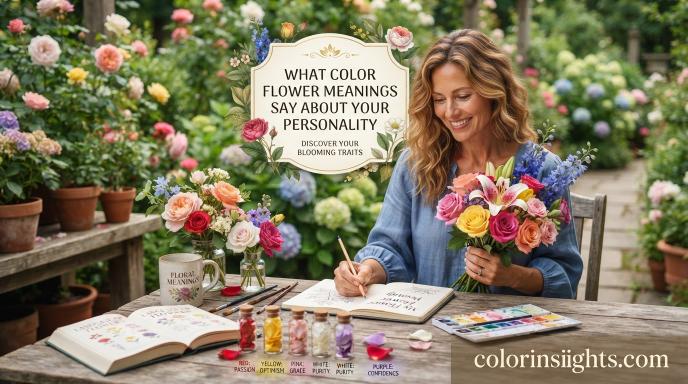
What Color Flower Meanings Say About Your Personality
People are often drawn to flower colors that reflect their preferences and emotional style. However, color preference is influenced by culture, memories, and personal experiences, so it should not be viewed as a definitive measure of personality.
Strengths
Those attracted to bright floral colors may be:
- Optimistic
- Creative
- Compassionate
- Warm
- Expressive
Weaknesses
Some individuals may also be:
- Emotionally sensitive
- Idealistic
- Indecisive
- Easily affected by their surroundings
Social Behavior
People who enjoy colorful flowers often appreciate meaningful relationships, celebrations, and thoughtful gestures.
Work Style
They may value creativity, collaboration, aesthetics, and emotionally positive work environments.
Relationships
Flower lovers often express affection through gifts, acts of kindness, and memorable experiences.
Emotional Tendencies
Different flower colors may reflect changing moods rather than fixed personality traits. For example, someone may prefer calming blue flowers during stressful times and vibrant yellow flowers during joyful occasions.
FAQs:
What defines color flower meanings?
Color flower meanings refer to the symbolic messages and emotions associated with different flower colors across cultures and traditions.
What do color flowers symbolize?
They symbolize emotions such as love, friendship, peace, hope, remembrance, celebration, gratitude, and spiritual growth.
Why are color flower meanings important?
They help people choose appropriate flowers for weddings, birthdays, funerals, anniversaries, holidays, and everyday gifts.
Are flower color meanings universal?
No. Meanings vary between cultures, religions, historical traditions, and personal experiences.
What emotions do flower colors represent?
Depending on the color, flowers can represent happiness, romance, serenity, courage, admiration, sympathy, optimism, or renewal.
What is the spiritual meaning of flower colors?
Spiritually, flower colors often symbolize purity, healing, wisdom, transformation, enlightenment, protection, and new beginnings.
Which flower colors pair well together?
Popular combinations include white and green, pink and white, purple and lavender, yellow and orange, and blue with white for balanced floral arrangements.
What do flower color preferences say about a person?
They may reflect emotional preferences, aesthetic tastes, or current moods, but they do not scientifically determine personality.
Which flower color is best for expressing love?
Red remains the most recognized flower color for romantic love and passion, especially when used with roses.
Can flower colors influence mood?
Yes. Research in color psychology suggests flower colors can affect emotional responses, creating feelings of calm, happiness, energy, or comfort depending on the color and setting.
Conclusion
Color flower meanings combine psychology, symbolism, spirituality, design, and cultural tradition into a powerful language of visual communication. From expressing romantic love with red roses to celebrating friendship with yellow blooms or honoring peace through white lilies, flower colors help convey emotions that words sometimes cannot.
While many meanings are widely recognized, interpretations vary across cultures and personal experiences. Understanding flower color symbolism allows people to choose floral arrangements more thoughtfully for gifts, celebrations, memorials, home décor, branding, and personal expression, making every bouquet more meaningful and memorable.