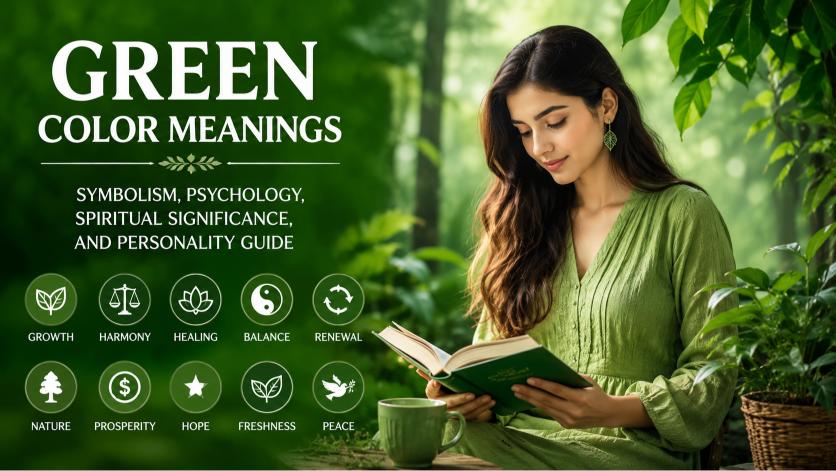
Green is one of the most meaningful and universally recognized colors in nature. Associated with forests, plants, renewal, and life, it often symbolizes growth, balance, harmony, and prosperity. Because it sits in the middle of the visible color spectrum, green is frequently connected with stability, emotional equilibrium, and healthy living.
However, like all colors, its meaning changes depending on cultural traditions, personal experiences, and context. In psychology, spirituality, design, and branding, green communicates everything from hope and healing to ambition and environmental awareness.
Quick Answer:
Green generally symbolizes growth, renewal, harmony, nature, health, prosperity, balance, and hope, although its meaning varies across different cultures and situations.
What Does the Color Green Symbolize?
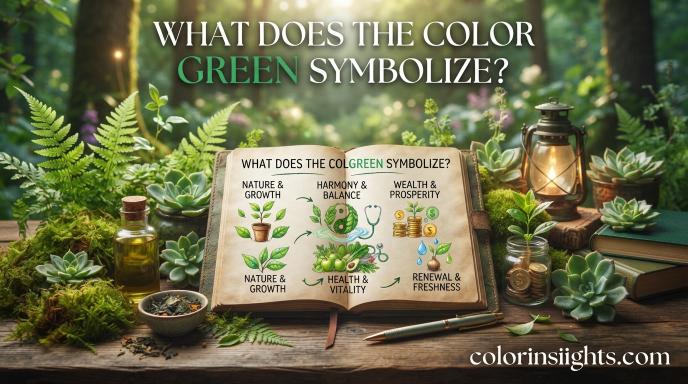
Green symbolizes life, renewal, abundance, and emotional balance. Since it is the dominant color in nature, people naturally associate it with healthy ecosystems, fresh beginnings, and continuous growth.
The symbolism of green includes:
- Growth and personal development
- Nature and environmental awareness
- Harmony and emotional balance
- Fertility and abundance
- Prosperity and financial success
- Health and physical wellness
- Hope and optimism
- Safety and stability
- Patience and endurance
- Renewal after challenges
Green also represents sustainability, making it one of the most recognizable colors for eco-friendly organizations and environmental initiatives worldwide.
Psychological Characteristics of the Color Green
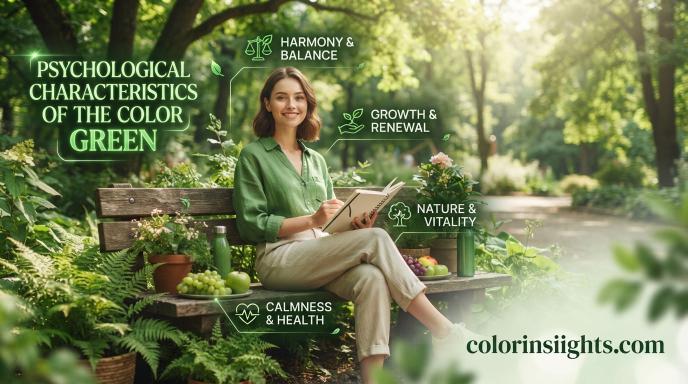
Color psychology describes green as one of the most calming and restorative colors. Exposure to natural green environments has been linked with reduced stress, improved concentration, and emotional relaxation.
Emotional Associations
Green commonly evokes feelings of:
- Calmness
- Peace
- Comfort
- Security
- Hope
- Freshness
- Optimism
- Renewal
- Confidence
- Emotional balance
Psychological Effects
Green may psychologically encourage:
- Relaxation
- Mental clarity
- Better focus
- Reduced anxiety
- Emotional recovery
- Balanced decision-making
- Increased patience
Because the human eye processes green comfortably, it often creates less visual fatigue than many brighter colors.
Positive Emotional Responses
People frequently associate green with:
- Happiness
- Trust
- Stability
- Compassion
- Healing
- Safety
- Confidence
- Encouragement
Negative Emotional Responses
In some contexts, green may symbolize:
- Envy (“green with envy”)
- Jealousy
- Greed
- Materialism
- Inexperience (“green” meaning inexperienced)
- Stagnation when overused
- Complacency
Impact on Mood and Behavior
Green environments often encourage:
- Relaxed conversations
- Creative thinking
- Reflection
- Cooperative behavior
- Better concentration
- Stress recovery
This explains why hospitals, wellness centers, schools, and offices frequently incorporate green into their interiors.
How People Typically React to Green
Most individuals perceive green as:
- Comfortable
- Natural
- Refreshing
- Safe
- Welcoming
- Trustworthy
- Healthy
Although individual reactions vary, green is generally viewed as one of the most universally positive colors.
Spiritual Meaning of the Color Green
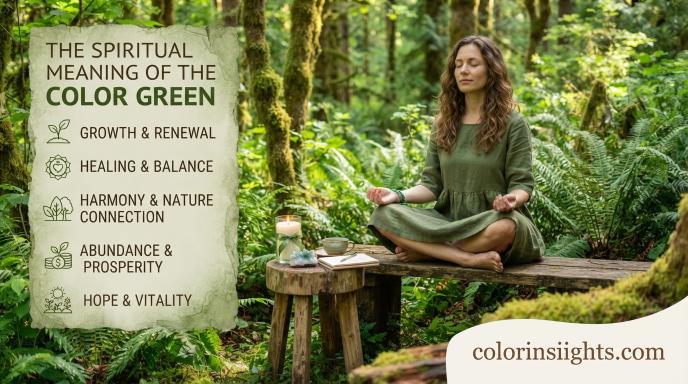
Across numerous spiritual traditions, green represents healing, divine creation, compassion, renewal, and the continuous cycle of life. It often symbolizes the connection between humanity and nature.
Green spiritually represents:
- Holiness: Often associated with sacred gardens, paradise, and divine blessings in several religious traditions.
- Wisdom: Symbolizes balanced judgment and thoughtful decision-making.
- Purity: Represents natural purity rather than perfection.
- Transformation: Reflects personal growth and spiritual evolution.
- Healing: Frequently connected with emotional, physical, and spiritual restoration.
- Protection: Many traditions associate green with protective energy and abundance.
- Power: Represents life force and enduring strength.
- Enlightenment: Encourages compassion, empathy, and inner peace.
- New Beginnings: Symbolizes fresh starts, springtime, and renewal.
- Eternity: Nature’s continuous cycle makes green a symbol of everlasting life.
In many spiritual practices, green is also linked with the heart chakra, representing unconditional love, emotional healing, forgiveness, and compassion.
Positive and Negative Meanings of the Color Green
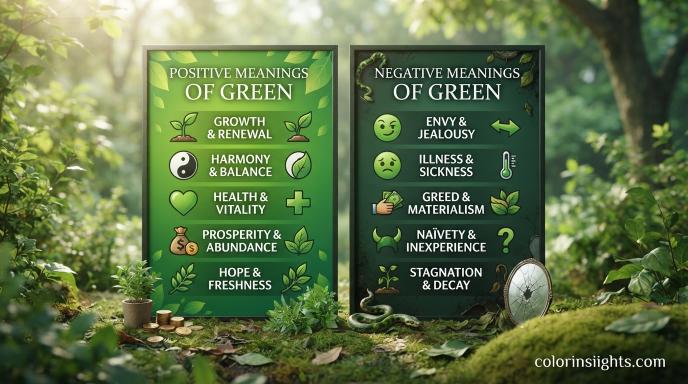
Positive Meanings
Green carries numerous uplifting meanings that influence psychology, branding, and culture.
Growth
Young plants symbolize continual learning and personal development.
Peace
Parks and forests help people relax and recover from stress.
Simplicity
Minimalist designs often use green to communicate natural living.
Clarity
Soft green environments may improve focus and mental organization.
Freshness
Fresh fruits, vegetables, and herbs naturally reinforce this symbolism.
Hope
Green commonly represents optimism after difficult experiences.
Balance
Its position between warm and cool colors reflects emotional stability.
Harmony
Green creates visual comfort in homes, offices, and healthcare spaces.
Negative Meanings
Although mostly positive, green has less favorable interpretations depending on context.
Envy
Expressions like “green with envy” connect green with jealousy.
Example:
A coworker may feel envious after another receives a promotion.
Greed
Dark green can symbolize excessive focus on wealth.
Example:
Financial scandals sometimes use green imagery to represent greed.
Inexperience
Calling someone “green” often means they lack experience.
Example:
A newly hired employee may be described as green.
Stagnation
Too much muted green may feel dull or uninspiring.
Example:
An office with excessive dark green may appear outdated.
Emotional Distance
Very cool green shades sometimes create emotional detachment.
Example:
Clinical waiting rooms using only muted green may feel impersonal.
Over-Caution
Green’s calming nature may occasionally reduce urgency.
Example:
Marketing campaigns needing excitement usually combine green with brighter accent colors.
Meanings of the Color Green
Green changes meaning depending on its environment, cultural background, industry, and intended message.
Feng Shui
In Feng Shui, green belongs primarily to the Wood element, representing expansion, vitality, family, and health.
- Associated element: Wood
- Energy symbolism: Growth, renewal, prosperity
- Best rooms: Living rooms, home offices, bedrooms, meditation spaces
- Recommended color combinations: Green with white, beige, natural wood, brown, or soft blue
- Decorating tips: Add indoor plants, botanical artwork, and natural materials to strengthen positive energy without overwhelming the space.
Marketing
Green plays a significant role in branding psychology.
Businesses use green to communicate:
- Sustainability
- Health
- Organic products
- Financial stability
- Freshness
- Responsibility
- Growth
Consumers often perceive green brands as environmentally responsible and trustworthy.
Well-known brands using green include:
- Starbucks
- Whole Foods Market
- Spotify
- Animal Planet
- John Deere
Green is especially common in organic food packaging, banking, healthcare, wellness products, and eco-friendly advertising.
Design
Green remains one of the most versatile colors in design.
Interior Design
Green creates calming spaces that promote relaxation. Sage, olive, emerald, and forest green remain popular for modern homes.
Graphic Design
Designers use green to communicate sustainability, trust, health, and growth.
Web Design
Green buttons often signal positive actions like “Continue,” “Accept,” or “Success.” It is widely used in dashboards, finance platforms, and wellness websites.
User Experience
Green improves visual hierarchy by indicating safe actions, completed tasks, or successful transactions.
Minimalist Aesthetics
Muted greens paired with white, gray, or natural wood create clean and timeless interiors.
Fashion
Green offers both classic elegance and modern versatility.
Clothing Symbolism
Green clothing often communicates confidence, balance, creativity, and sophistication.
Seasonal Use
- Spring: Mint and pastel green
- Summer: Lime and bright green
- Autumn: Olive and moss green
- Winter: Emerald and deep forest green
Styling Effects
Green pairs well with:
- White
- Beige
- Navy
- Brown
- Gold
- Black
Personality Impressions
People wearing green may appear:
- Calm
- Dependable
- Grounded
- Intelligent
- Friendly
Advantages
- Flatters many skin tones
- Creates a refreshing appearance
- Works in casual and formal wardrobes
Disadvantages
Certain neon greens may overwhelm professional settings if used excessively.
Color Associations Are Not Universal
Color meanings vary significantly across cultures and historical traditions.
Western Cultures
Green commonly symbolizes nature, environmental protection, wealth, luck, health, and renewal. It is also associated with traffic signals that indicate permission to proceed.
Eastern Cultures
In many Asian cultures, green represents fertility, youth, harmony, prosperity, and new beginnings. However, certain expressions involving green may carry different social meanings depending on the country.
Religious Traditions
Green holds special significance in several faiths. It often symbolizes paradise, life, mercy, hope, resurrection, and divine blessings. Religious symbolism varies by tradition and historical interpretation.
Historical Interpretations
Throughout history, green represented agriculture, harvests, royalty in some societies, and healing through herbal medicine. During medieval Europe, green also became associated with both luck and unpredictability.
Modern Global Interpretations
Today, green strongly represents sustainability, renewable energy, climate awareness, healthy lifestyles, and environmentally responsible business practices.
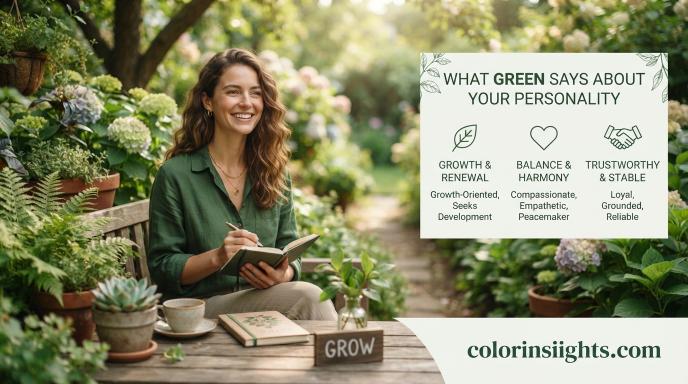
What Green Says About Your Personality
People who prefer green are often described as valuing stability, kindness, and meaningful relationships. However, personality cannot be determined solely by favorite colors.
Strengths
- Compassionate
- Patient
- Reliable
- Practical
- Balanced
- Loyal
- Generous
- Calm
Weaknesses
Some green-loving individuals may become:
- Resistant to change
- Overly cautious
- Possessive
- Self-sacrificing
- Stubborn
Social Behavior
They often enjoy peaceful environments, supportive friendships, and cooperative relationships rather than constant competition.
Work Style
Green personalities typically appreciate:
- Long-term planning
- Teamwork
- Organization
- Consistency
- Ethical leadership
Relationships
They usually value:
- Loyalty
- Trust
- Emotional security
- Honest communication
- Long-lasting partnerships
Emotional Tendencies
Many seek emotional harmony and prefer resolving conflicts through patience rather than confrontation.
Remember that favorite colors reflect preferences—not fixed personality traits. Individual experiences, culture, and life circumstances all shape behavior.
FAQs:
What defines the color green?
Green is the color between blue and yellow on the visible spectrum and is strongly associated with nature, growth, and renewal.
What does the color green symbolize?
Green commonly symbolizes growth, harmony, health, prosperity, hope, balance, and fresh beginnings.
Why is green important?
Green influences emotional well-being, supports branding, enhances design, and symbolizes environmental responsibility across many cultures.
Is green a warm or cool color?
Green is generally considered a cool color, although yellow-green shades can feel warmer while blue-green shades appear cooler.
What emotions does green represent?
Green often represents calmness, optimism, safety, compassion, relaxation, confidence, and emotional balance.
What does green mean spiritually?
Spiritually, green symbolizes healing, compassion, renewal, protection, abundance, and heart-centered emotional growth.
What colors pair well with green?
Green pairs beautifully with white, beige, brown, navy, gold, black, gray, blush pink, and natural wood tones.
What does liking green say about a person?
People who enjoy green are often associated with patience, dependability, compassion, and a preference for balance, although color preference alone does not determine personality.
Why do companies use green in branding?
Green helps communicate trust, sustainability, health, freshness, financial security, and environmental responsibility.
Why is green associated with money?
In the United States, green became closely connected with money because U.S. currency has traditionally been printed in green ink, reinforcing associations with wealth and prosperity.
Conclusion
Green is one of the world’s most meaningful and versatile colors, representing life, growth, harmony, health, prosperity, and renewal. Its influence extends across psychology, spirituality, design, fashion, marketing, and cultural traditions, making it an enduring symbol of balance and hope. Although interpretations differ around the world, green consistently evokes a connection to nature and positive transformation.
Understanding green color meanings helps individuals make informed choices in branding, interior design, personal style, communication, and everyday life while recognizing that color symbolism is always shaped by culture, context, and personal experience.