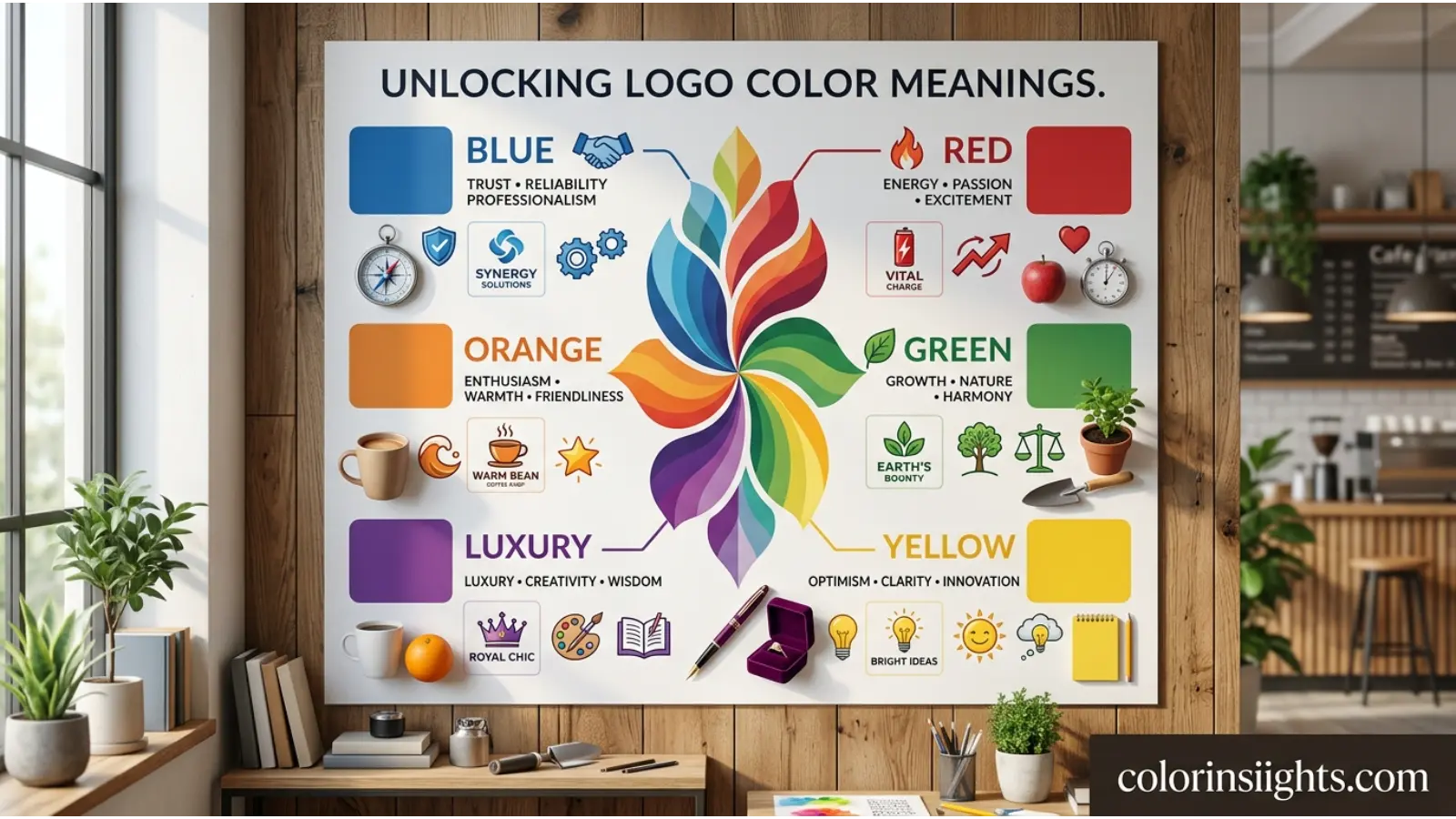
Logo color meanings play a vital role in shaping how people perceive a brand. Colors communicate emotions, values, and personality long before customers read a company name or slogan.
From inspiring trust and confidence to creating excitement or luxury, every logo color carries unique psychological, cultural, and marketing significance. Businesses carefully choose logo colors to strengthen brand identity, attract their target audience, and influence purchasing decisions.
Understanding logo color meanings helps designers, marketers, and consumers recognize the messages hidden within visual branding.
Quick Answer:
Logo color meanings represent the emotions, values, and personality a brand wants to communicate. Different colors evoke different psychological responses and influence how customers perceive a company’s trustworthiness, quality, and identity.
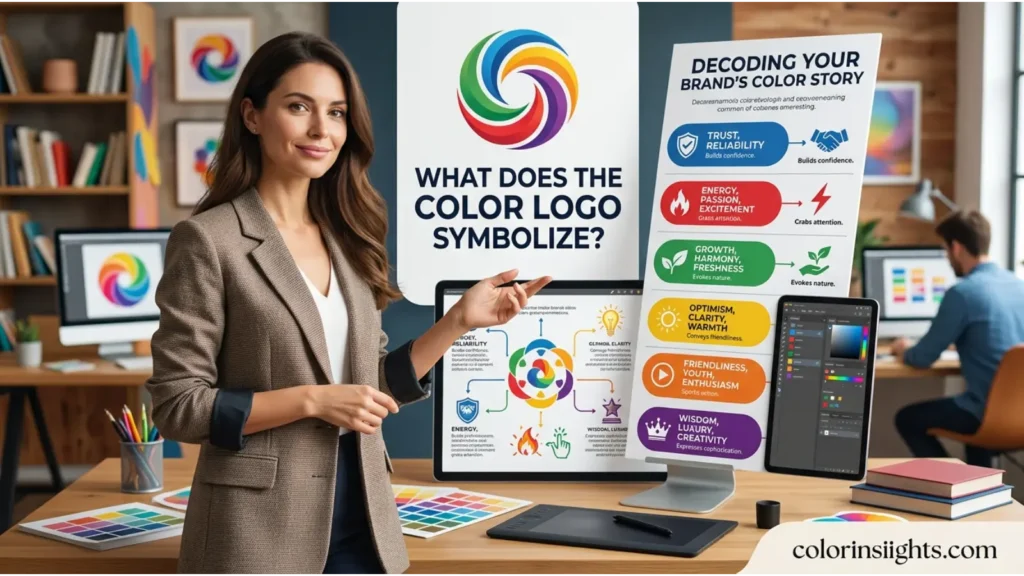
What Does the Color Logo Symbolize?
Unlike a single color, logo colors symbolize a brand’s identity through carefully selected color combinations. Each color contributes a specific emotional message that shapes first impressions and consumer expectations.
Common symbolic meanings include:
- Trust and reliability
- Confidence and professionalism
- Energy and excitement
- Creativity and innovation
- Luxury and prestige
- Nature and sustainability
- Simplicity and clarity
- Passion and determination
- Optimism and friendliness
- Intelligence and authority
For example:
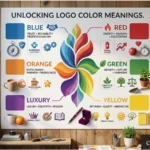
- Blue logos often symbolize trust.
- Red logos represent energy.
- Green logos communicate health.
- Black logos express luxury.
- Yellow logos inspire optimism.
The meaning ultimately depends on the industry, audience, and cultural context.
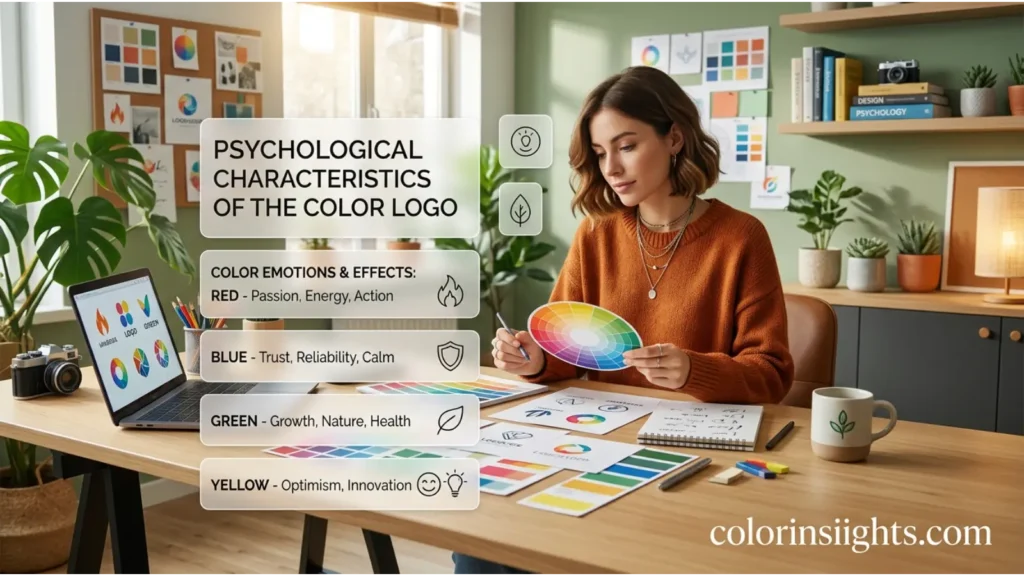
Psychological Characteristics of the Color Logo
Logo color psychology explains how colors influence emotions, decisions, and purchasing behavior. Research in visual psychology suggests people often form first impressions of brands within seconds, with color playing a significant role.
Emotional Associations
Logo colors commonly evoke:
- Trust
- Excitement
- Security
- Innovation
- Luxury
- Warmth
- Calmness
- Confidence
- Happiness
- Sophistication
Psychological Effects
Different colors trigger different cognitive responses.
- Blue creates feelings of reliability.
- Red increases urgency and excitement.
- Green encourages relaxation.
- Yellow stimulates optimism.
- Purple suggests creativity.
- Black communicates authority.
Positive Emotional Responses
- Confidence
- Loyalty
- Optimism
- Comfort
- Curiosity
- Motivation
- Security
- Enthusiasm
Negative Emotional Responses
Improper color choices may create:
- Anxiety
- Aggression
- Confusion
- Coldness
- Distrust
- Cheapness
- Arrogance
- Emotional distance
Impact on Mood and Behavior
Logo colors can influence:
- Purchase decisions
- Brand recall
- Customer loyalty
- Website engagement
- Product preference
- Emotional connection
How People Typically React
Consumers often judge a brand by its colors before interacting with its products. Familiar color schemes improve recognition and create consistent emotional expectations.
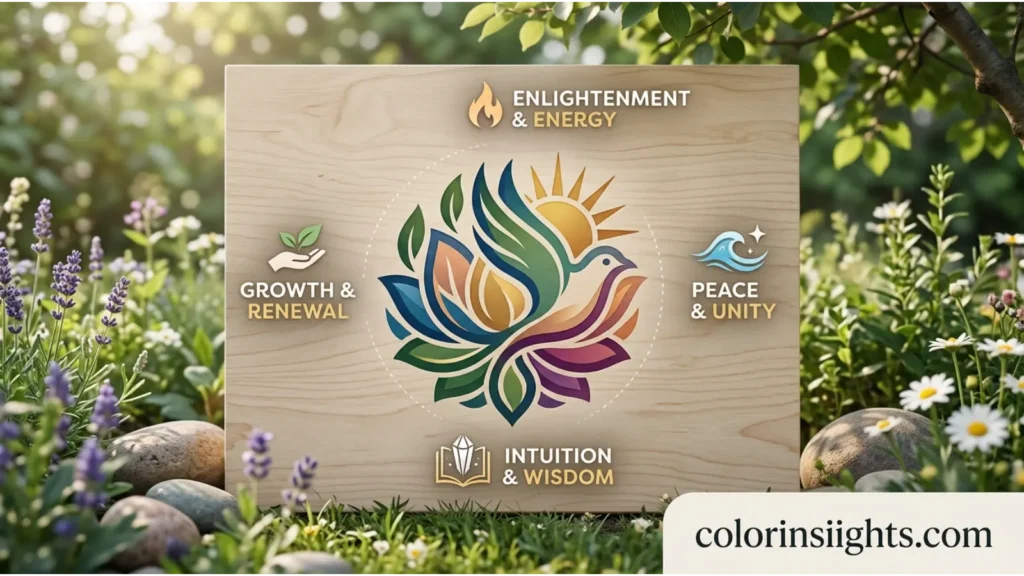
Spiritual Meaning of the Color Logo
Although logos themselves are not spiritual symbols, the colors used within them often carry spiritual meanings across cultures and religions.
Common Spiritual Associations
- Holiness: White represents purity and sacredness.
- Wisdom: Blue symbolizes wisdom and truth.
- Purity: White reflects innocence and clarity.
- Transformation: Purple represents personal growth.
- Healing: Green signifies renewal and health.
- Protection: Blue and black may symbolize protection.
- Power: Gold and black convey strength.
- Enlightenment: Yellow symbolizes knowledge.
- New Beginnings: Green represents fresh starts.
- Eternity: Gold often symbolizes timelessness.
Brands sometimes incorporate these symbolic meanings to create deeper emotional connections.
Positive and Negative Meanings of the Color Logo
Positive Meanings
Well-designed logo colors can communicate positive brand values.
Trust
Banks frequently use blue to reassure customers about security.
Confidence
Technology companies often use bold colors to express innovation.
Optimism
Yellow logos create welcoming first impressions.
Luxury
Black and gold suggest premium quality.
Balance
Green communicates harmony and sustainability.
Creativity
Purple encourages imagination.
Simplicity
Minimal black-and-white logos emphasize clarity.
Freshness
Green and light blue reinforce health-focused branding.
Negative Meanings
Colors may also produce unintended impressions.
Aggression
Excessive red may appear overwhelming.
Coldness
Too much gray or blue can feel impersonal.
Sterility
Pure white may seem clinical.
Emotional Distance
Minimal monochrome designs may appear unfriendly.
Cheapness
Poorly chosen bright colors can reduce perceived quality.
Confusion
Too many competing colors weaken brand identity.
Perfectionism
Highly rigid color schemes may feel less approachable.
Boredom
Muted colors without contrast may fail to attract attention.
Meanings of the Color Logo
Logo color meanings change depending on branding goals, industry, audience, and culture.
Feng Shui
Although logos are marketing tools, their colors may align with Feng Shui principles.
Associated Elements
- Blue: Water
- Green: Wood
- Red: Fire
- Yellow: Earth
- White: Metal
Energy Symbolism
Colors influence perceived balance and positive energy.
Best Rooms
Businesses often display logos near entrances, reception areas, or offices.
Recommended Color Combinations
- Blue and white
- Green and brown
- Red and gold
- Black and gold
Home Decorating Tips
Choose logo-inspired décor only when it complements the room’s purpose and desired atmosphere.
Marketing
Logo colors are among the strongest branding tools.
Branding Psychology
Colors help define personality and positioning.
Consumer Perception
Customers associate colors with quality and reliability.
Trust Signals
Blue, green, and white often increase perceived credibility.
Product Packaging
Color consistency improves recognition across products.
Advertising Applications
Strategic colors increase visibility and emotional appeal.
Famous Brand Examples
- Blue: Facebook, Intel, PayPal
- Red: Coca-Cola, Netflix, YouTube
- Green: Starbucks, Spotify
- Yellow: McDonald’s, IKEA
- Black: Nike, Chanel
- Purple: Cadbury, Hallmark
Design
Logo colors significantly influence design effectiveness.
Interior Design
Businesses often extend logo colors into office interiors.
Graphic Design
Consistent color palettes strengthen visual identity.
Web Design
Accent colors improve readability and conversions.
User Experience
Color hierarchy guides user attention.
Minimalist Aesthetics
Simple color schemes enhance memorability.
Fashion
Logo colors influence clothing brands and personal style.
Clothing Symbolism
Luxury brands often favor black.
Sports brands commonly use red or blue.
Seasonal Use
- Bright colors for spring and summer.
- Dark colors for autumn and winter.
Styling Effects
Color consistency reinforces brand recognition.
Personality Impressions
Logo-inspired clothing can appear energetic, elegant, or professional.
Advantages
- Easy brand recognition
- Strong visual identity
- Emotional appeal
Disadvantages
- Cultural misunderstandings
- Trend dependency
- Audience-specific preferences
Color Associations Are Not Universal
Color meanings vary significantly across cultures.
Western Cultures
Blue often symbolizes trust, while white represents purity and weddings. Black commonly reflects sophistication but may also symbolize mourning.
Eastern Cultures
Red frequently represents prosperity and celebration. White may symbolize mourning in several East Asian traditions.
Religious Traditions
Christianity often associates white with purity and gold with divinity. Islam frequently connects green with paradise and spiritual renewal. Hindu traditions use saffron to symbolize sacrifice and spirituality.
Historical Interpretations
Purple historically represented royalty because purple dyes were expensive. Gold symbolized wealth and authority across many civilizations.
Modern Global Interpretations
Global brands adapt logo colors for regional audiences while maintaining consistent identities. Cultural research helps avoid unintended interpretations.
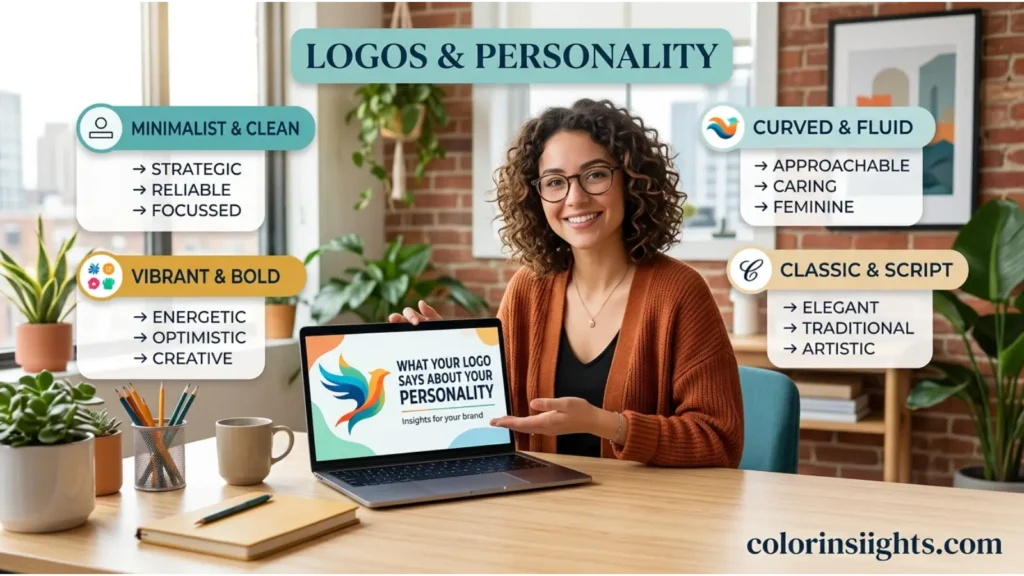
What Logo Says About Your Personality
People who appreciate well-designed logos often value aesthetics, communication, and visual storytelling. However, color preferences alone cannot accurately determine personality.
Strengths
- Creative
- Observant
- Detail-oriented
- Brand-conscious
- Analytical
Weaknesses
- May overanalyze visual details
- Can become overly perfectionistic
- Sensitive to design inconsistencies
Social Behavior
Often appreciates attractive presentations and organized environments.
Work Style
May enjoy marketing, branding, graphic design, business, or creative industries.
Relationships
Usually values authenticity and consistency.
Emotional Tendencies
Often responds positively to visual harmony and thoughtful design.
FAQs
What defines logo color meanings?
Logo color meanings refer to the emotions, values, and messages communicated through the colors used in a brand’s visual identity.
What does the color logo symbolize?
Logo colors symbolize trust, innovation, excitement, luxury, sustainability, professionalism, or creativity depending on the chosen palette.
Why are logo color meanings important?
They influence first impressions, brand recognition, customer trust, and purchasing decisions.
Are logo colors considered warm or cool?
Logo palettes can include warm colors, cool colors, or neutral colors depending on branding goals.
What emotions do logo colors represent?
They may represent confidence, security, happiness, excitement, calmness, luxury, creativity, or authority.
What is the spiritual meaning of logo colors?
Many logo colors borrow spiritual symbolism such as purity, wisdom, healing, protection, transformation, enlightenment, and prosperity.
What colors pair well in logo design?
Popular combinations include:
- Blue and white
- Black and gold
- Green and white
- Red and black
- Purple and silver
- Orange and navy
What does liking logo colors say about a person?
People attracted to effective logo colors may appreciate creativity, organization, branding, and visual communication, though personality cannot be determined solely by color preference.
Which logo color builds the most trust?
Blue is generally considered the most trusted logo color because it is associated with reliability, security, and professionalism.
Can logo colors affect buying decisions?
Yes. Color psychology influences consumer perception, product appeal, and purchasing behavior, making color selection a critical part of branding.
Conclusion:
Logo color meanings are far more than aesthetic choices—they are strategic communication tools that shape how audiences perceive a brand.
Every color carries psychological, cultural, and emotional associations that influence trust, recognition, and consumer behavior. Whether a company aims to project innovation, luxury, sustainability, or reliability, selecting the right logo colors helps create a strong and memorable brand identity.
While color symbolism varies across cultures and individual experiences, understanding the psychology and practical applications of logo colors enables businesses, designers, and marketers to make informed branding decisions that resonate with their target audiences.





 Welcome to The colorinsiights.com