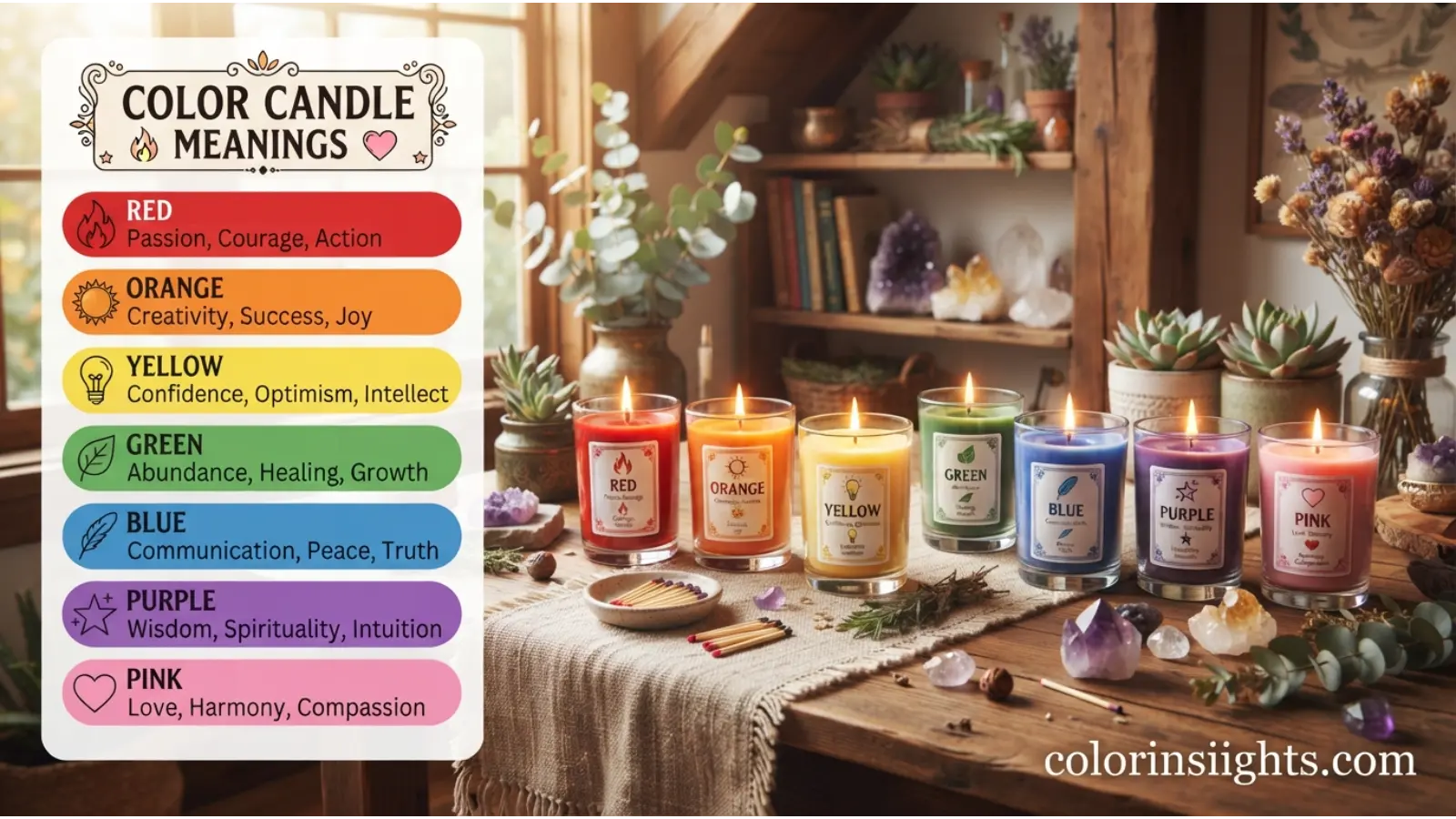
Color candle meanings symbolism reveal how different candle colors can represent emotions, intentions, traditions, and personal experiences. Throughout history, people have used candles in spiritual practices, celebrations, meditation, ceremonies, and home decoration to create specific moods and symbolize ideas such as peace, love, protection, healing, and transformation.
The meaning of a candle color often depends on cultural beliefs, personal associations, and the purpose behind its use.
Quick Answer:
Color candle meanings describe the emotional, spiritual, and symbolic messages connected with different candle colors, helping people choose candles for specific intentions, moods, and rituals.
What Does the Color Candle Symbolize?
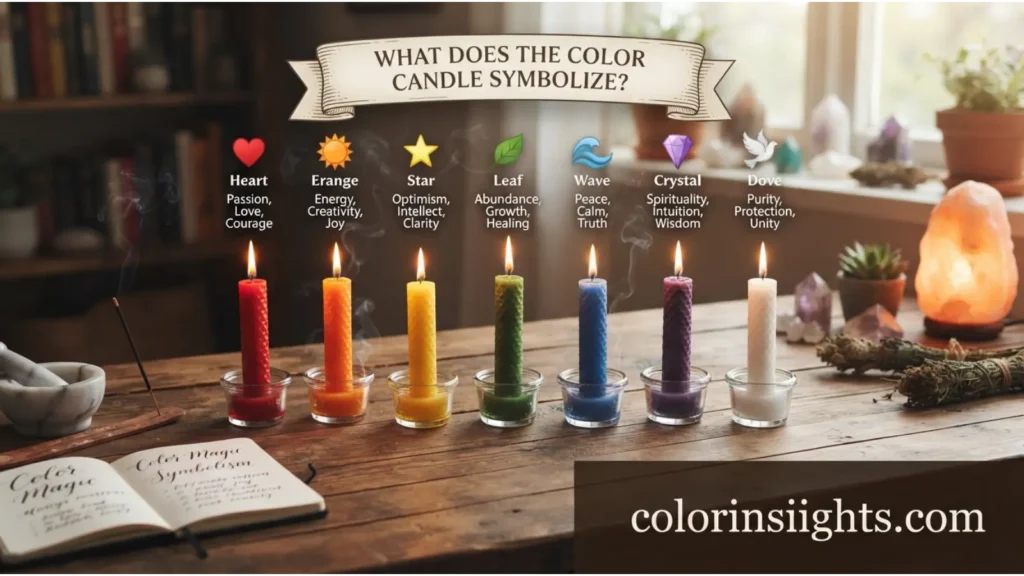
Color candle symbolism explains how different shades communicate specific emotions, energies, and intentions. Unlike the flame itself, which often represents light, awareness, and transformation, the candle color adds another layer of meaning based on psychology, culture, and tradition.
Different candle colors may symbolize:
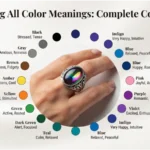
- White candles: Purity, peace, cleansing, clarity, protection, and new beginnings.
- Black candles: Mystery, protection, endings, transformation, and absorbing negativity.
- Red candles: Passion, love, courage, strength, energy, and motivation.
- Blue candles: Calmness, wisdom, communication, healing, and emotional balance.
- Green candles: Growth, renewal, prosperity, nature, and harmony.
- Purple candles: Spiritual awareness, intuition, creativity, and transformation.
- Yellow candles: Happiness, confidence, learning, optimism, and mental clarity.
- Pink candles: Compassion, friendship, romance, kindness, and emotional healing.
- Orange candles: Creativity, enthusiasm, success, and personal power.
- Gold candles: Abundance, achievement, luxury, and spiritual illumination.
- Silver candles: Reflection, intuition, protection, and feminine energy.
The meaning of a candle color changes depending on the situation. A white candle used during meditation may represent inner peace, while the same candle used at a wedding may symbolize purity and a fresh start. This demonstrates that color candle meaning is influenced by intention, environment, and personal interpretation.
Psychological Characteristics of Color Candle Meanings
Psychology of Candle Colors
Color psychology studies how colors influence emotions, thoughts, and behaviors. While individual reactions vary, researchers have found that colors can create emotional associations because of personal experiences, cultural learning, and biological responses.
When people select candles of certain colors, they often respond to the emotional atmosphere those colors create.
Emotional Associations of Candle Colors
- White candles are commonly associated with calmness, cleanliness, simplicity, and mental clarity.
- Red candles may create feelings of excitement, passion, confidence, and energy.
- Blue candles often encourage feelings of relaxation, trust, and emotional stability.
- Green candles connect with feelings of balance, renewal, and natural harmony.
- Purple candles are frequently linked with imagination, creativity, and spiritual reflection.
- Yellow candles may inspire optimism, focus, and mental stimulation.
Psychological Effects of Candle Colors
Candle colors can influence mood and perception by changing the atmosphere of a space. A person lighting a soft blue candle may experience a more peaceful environment, while a bright orange candle may create a sense of warmth and enthusiasm.
Common psychological effects include:
- Creating a relaxing atmosphere.
- Supporting meditation and mindfulness.
- Encouraging emotional expression.
- Improving visual comfort in a room.
- Strengthening personal rituals and habits.
Positive Emotional Responses
Certain candle colors can encourage positive emotional experiences:
- White: Peace, openness, and emotional cleansing.
- Green: Renewal, stability, and comfort.
- Blue: Calmness, trust, and relaxation.
- Pink: Love, kindness, and emotional connection.
- Yellow: Happiness, creativity, and confidence.
Negative Emotional Responses
Colors can also create less positive reactions depending on personal experiences and context:
- Black candles may feel mysterious or intense for some people.
- Red candles may appear overwhelming if used excessively.
- Yellow candles may feel too stimulating in bright environments.
- White candles may sometimes feel empty or emotionally distant.
Impact on Mood and Behavior
Candle colors can affect how people experience a space. A room decorated with warm candle colors such as red, orange, or gold may feel energetic and inviting. Cooler colors like blue and green may encourage relaxation and reflection.
However, color psychology does not suggest that a candle color controls emotions. Instead, colors influence perception and atmosphere while personal memories, cultural background, and individual preferences shape the final emotional response.
Spiritual Meaning of Color Candle Meanings
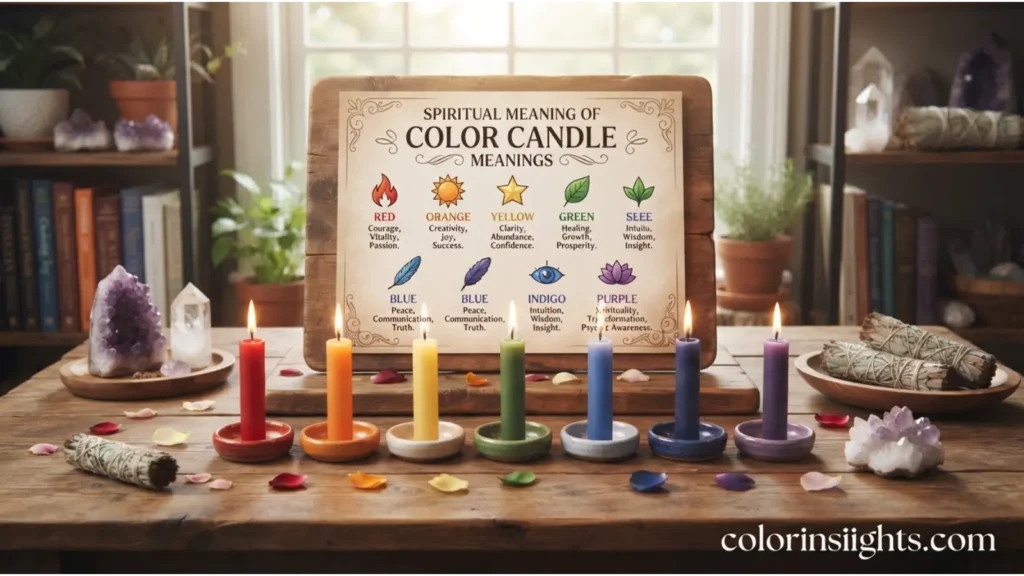
Throughout many spiritual traditions, candles represent light, awareness, prayer, intention, and connection with higher ideas. The color of a candle often adds symbolic meaning to spiritual practices, ceremonies, and personal reflection.
The spiritual meaning of candle colors varies among traditions, but common interpretations include:
White Candles
White candles often symbolize:
- Holiness: Representing sacred energy, divine connection, and spiritual purity.
- Purity: Associated with cleansing, innocence, and peaceful intentions.
- Protection: Used symbolically for creating a safe and positive environment.
- New beginnings: Connected with fresh starts, renewal, and personal growth.
Purple Candles
Purple candles are often linked with:
- Wisdom: Symbolizing deeper understanding and spiritual knowledge.
- Intuition: Associated with inner awareness and reflection.
- Transformation: Representing personal change and spiritual development.
- Enlightenment: Connected with expanded consciousness and insight.
Blue Candles
Blue candles commonly represent:
- Healing: Associated with emotional peace and restoration.
- Calmness: Supporting relaxation and meditation.
- Communication: Symbolizing honesty, expression, and understanding.
Green Candles
Green candles may symbolize:
- Growth: Representing personal development and renewal.
- Balance: Connected with harmony between mind, body, and nature.
- Prosperity: Often associated with abundance and positive opportunities.
Gold and Silver Candles
Gold and silver candles are often connected with:
- Power: Representing achievement, confidence, and spiritual strength.
- Eternity: Symbolizing lasting energy and timeless wisdom.
- Protection: Used in some traditions as symbols of spiritual defense.
- Illumination: Representing guidance, awareness, and higher knowledge.
Across spiritual practices, candle colors are usually viewed as symbolic tools rather than guaranteed sources of change. Their meaning comes from intention, tradition, and personal belief.
Positive and Negative Meanings of Color Candle Meanings
Positive Meanings
Color candles can represent many uplifting qualities and emotional experiences.
Purity
White candles are widely associated with purity and cleansing. People often use white candles during ceremonies, meditation, or moments when they want to create a peaceful atmosphere.
Peace
Blue and white candles commonly symbolize peace and tranquility. They are frequently used in relaxation spaces, prayer areas, and mindfulness practices.
Simplicity
Neutral candle colors can create a minimalist environment by representing simplicity, balance, and clarity.
Clarity
White and yellow candles may symbolize clear thinking, focus, and awareness.
Freshness
Green candles often represent renewal, nature, and a fresh beginning.
Hope
Yellow, green, and white candles are sometimes connected with optimism and positive expectations.
Balance
Green and blue candles may represent emotional stability, harmony, and peaceful energy.
Harmony
Soft candle colors such as pink, green, and blue can create feelings of connection and emotional comfort.
Negative Meanings
Although candle colors often have positive symbolism, they may also carry contrasting meanings depending on context.
Emptiness
White candles may sometimes represent emptiness or emotional distance when used in settings lacking warmth or personal elements.
Isolation
Cool colors like blue may feel distant or lonely if used excessively in large spaces.
Coldness
Blue and silver candles can sometimes create a colder atmosphere because of their association with winter, ice, or distance.
Sterility
Too much white decoration may feel clinical or impersonal, similar to medical environments.
Boredom
Neutral candle colors without contrast may appear plain or uninspiring.
Emotional Distance
Certain cool candle shades may create a sense of separation rather than connection.
Perfectionism
White candles can symbolize perfection and order, but excessive focus on perfection may create pressure or unrealistic expectations.
The interpretation of candle colors depends heavily on placement, lighting, cultural background, and personal meaning. A single color can communicate comfort in one setting and emotional distance in another.
Meanings of Color Candle Meanings
The meaning of a candle color changes depending on its purpose and setting. A white candle used in meditation may symbolize peace and spiritual clarity, while the same candle at a wedding often represents purity and new beginnings. Likewise, a red candle can express romance on Valentine’s Day, courage during personal challenges, or celebration during festive occasions. Understanding the context helps you choose candle colors that best match your intentions.
Feng Shui
In Feng Shui, candles represent the Fire element, which symbolizes energy, passion, transformation, and inspiration. The color of a candle further influences the type of energy it is believed to enhance.
- Associated element: Fire
- Energy symbolism: Vitality, warmth, motivation, and positive transformation
- Best rooms: Living rooms, meditation spaces, dining rooms, and home offices
- Recommended color combinations:
- White and gold for harmony and abundance
- Green and blue for relaxation and balance
- Red and orange for motivation and creativity
- Purple and white for spiritual reflection
- Home decorating tips: Use candle colors that complement your room’s purpose. Soft blues and greens work well in bedrooms, while warm reds and oranges can add energy to social spaces. Avoid using too many intensely colored candles in small rooms, as they may feel visually overwhelming.
Marketing
Businesses often use candle colors to communicate a brand’s personality and influence customer perceptions.
- Branding psychology: Color helps shape how consumers perceive a candle’s purpose, whether it promotes relaxation, luxury, romance, or wellness.
- Consumer perception: Buyers frequently associate white candles with cleanliness, green candles with natural ingredients, and black candles with premium or sophisticated products.
- Trust signals: Neutral colors, simple packaging, and consistent branding can increase feelings of quality and reliability.
- Product packaging: Wellness brands often use white, green, and pastel tones, while luxury candle collections commonly feature black, gold, or deep purple packaging.
- Advertising applications: Marketing campaigns frequently match candle colors with seasonal emotions, such as red for holidays, pink for Valentine’s Day, and green for spring collections.
Examples of brands that commonly use color psychology in candle or home fragrance branding include Yankee Candle, Bath & Body Works, Diptyque, Jo Malone London, and Village Candle. Their packaging and product names often reinforce the emotional symbolism of each candle color.
Design
Color candles play both decorative and functional roles in design.
Interior Design
Interior designers use candle colors to reinforce a room’s atmosphere. White candles complement minimalist interiors, while earth-toned candles create warmth in rustic or natural spaces.
Graphic Design
Designers often use candle imagery with carefully selected colors to communicate wellness, spirituality, celebration, or luxury in advertisements and packaging.
Web Design
Online candle retailers commonly organize products by color, helping shoppers quickly find candles that match specific moods, occasions, or decorative styles.
User Experience (UX)
Clear color organization simplifies navigation and improves the shopping experience. Matching product images with consistent color themes also strengthens visual branding.
Minimalist Aesthetics
Neutral-colored candles remain popular because they blend easily with modern interiors and provide subtle decorative accents without dominating a space.
Fashion
Although candles are decorative objects, their colors often inspire fashion trends and personal styling.
- Clothing symbolism: White reflects simplicity, black conveys sophistication, red expresses confidence, and green suggests freshness and balance.
- Seasonal use: Bright colors are popular during spring and summer, while darker candle-inspired tones often appear in autumn and winter fashion.
- Styling effects: Matching candle-inspired colors with clothing or home décor creates cohesive seasonal themes.
- Personality impressions: People may associate soft candle colors with calmness and warm colors with confidence, although these impressions vary between individuals.
- Advantages: Candle-inspired color palettes are versatile and work well across home décor, clothing, and event styling.
- Disadvantages: Overusing a single color can reduce visual interest or create an atmosphere that feels too intense or too neutral.
For example, white candles paired with cream-colored décor create a peaceful setting, while deep burgundy candles complement autumn-inspired table arrangements.
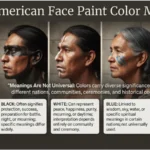
Color Associations Are Not Universal
Color candle meanings are shaped by culture, history, religion, and personal experience. As a result, the same candle color may carry different symbolism in different parts of the world.
Western Cultures
In many Western countries, white candles often symbolize weddings, peace, remembrance, and spiritual reflection. Red candles commonly represent love, passion, and holiday celebrations, while green candles are frequently associated with nature, prosperity, and Christmas traditions.
Eastern Cultures
Many Eastern traditions connect red with happiness, celebration, good fortune, and prosperity. White may symbolize purity in some settings but is also associated with mourning and remembrance in several East Asian cultures. Gold often represents wealth, honor, and success.
Religious Traditions
Different religions use candle colors for symbolic purposes.
- Christianity often uses purple during Advent, white for major celebrations, and red to represent sacrifice or the Holy Spirit.
- Buddhism frequently incorporates candles as symbols of wisdom, mindfulness, and enlightenment.
- In some Hindu traditions, candles and lamps represent light overcoming darkness and knowledge overcoming ignorance.
The interpretation of candle colors varies between denominations and cultural practices.
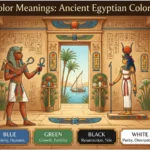
Historical Interpretations
Historically, candle colors often reflected the availability of natural dyes and the customs of particular societies. Over time, people assigned additional symbolic meanings based on religious ceremonies, seasonal festivals, and local traditions.
Modern Global Interpretations
Today, the internet, global commerce, and social media have made candle color symbolism more widely recognized. However, individuals still interpret colors through personal memories, cultural background, and emotional experiences. No single interpretation applies universally.
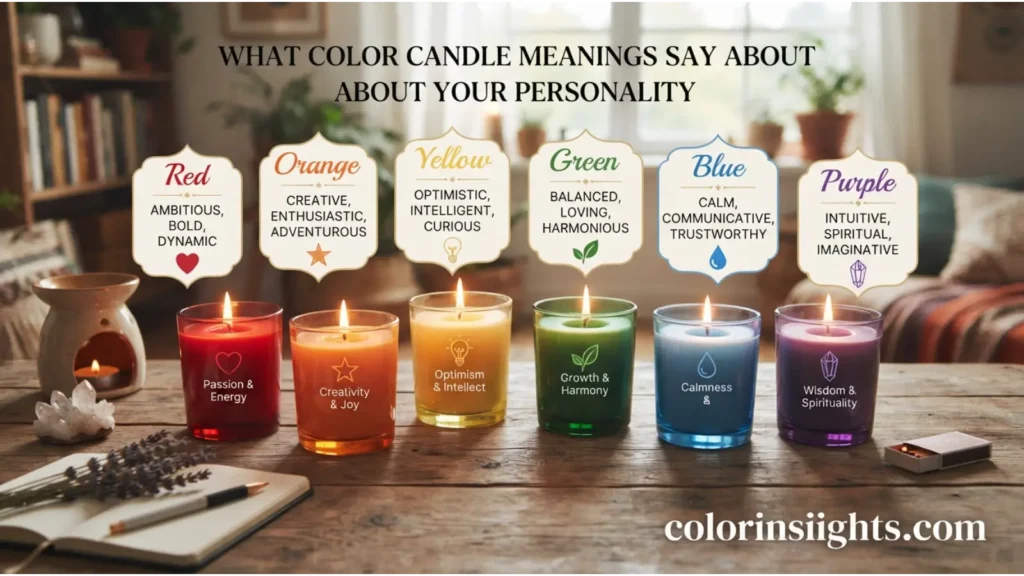
What Color Candle Meanings Say About Your Personality
People sometimes believe that their favorite candle color reflects aspects of their personality. While these associations can be interesting for self-reflection, scientific research does not support using color preference alone to determine personality traits. Personality develops through a combination of genetics, life experiences, culture, education, and environment.
That said, common symbolic associations include:
Strengths
People who prefer calming candle colors may value:
- Peace and emotional balance
- Creativity and imagination
- Compassion and empathy
- Optimism and resilience
- Personal growth and mindfulness
Weaknesses
Depending on the individual, these preferences may also coincide with tendencies such as:
- Overthinking
- Avoiding conflict
- Seeking perfection
- Being overly cautious
- Becoming emotionally reserved
Social Behavior
People drawn to warm candle colors often enjoy energetic social settings, while those who prefer cooler tones may appreciate quiet conversations and reflective environments. Neither preference is better; they simply reflect different comfort levels.
Work Style
Some individuals choose bright colors to encourage motivation and creativity, whereas others favor neutral tones that support concentration and organization. Workplace success depends on many factors beyond color preference.
Relationships
People who enjoy soft colors such as pink or white may appreciate harmony, kindness, and emotional connection. Those attracted to bold colors may value passion, confidence, and excitement in relationships.
Emotional Tendencies
Many people select candle colors based on how they want to feel rather than who they are. For example, someone experiencing stress may choose blue candles for relaxation, while another person preparing for a celebration may prefer vibrant red or gold.
Ultimately, favorite candle colors offer insight into personal preferences and emotional goals rather than fixed personality characteristics.
FAQs:
What defines color candle meanings?
Color candle meanings are the symbolic, emotional, cultural, and spiritual associations connected with different candle colors. People often choose candle colors based on the atmosphere or intention they wish to create.
What do color candles symbolize?
Color candles can symbolize peace, love, protection, healing, prosperity, courage, wisdom, transformation, and many other concepts depending on the candle’s color and context.
Why are color candle meanings important?
They help people select candles for meditation, celebrations, home décor, spiritual practices, relaxation, and personal expression.
What is the spiritual meaning of candle colors?
Spiritually, candle colors often represent qualities such as healing, wisdom, protection, purification, enlightenment, transformation, abundance, and renewal.
What colors pair well with candle colors?
Popular combinations include white and gold, blue and silver, green and brown, red and cream, black and gold, and purple with white. The best pairing depends on the desired mood and décor style.
What does liking certain candle colors say about a person?
Favorite candle colors may reflect personal tastes, emotional goals, or aesthetic preferences. However, they do not reliably determine personality traits.
Do candle colors have the same meaning everywhere?
No. Cultural traditions, religious beliefs, historical customs, and personal experiences all influence how people interpret candle colors.
Can candle color affect mood?
Color can influence how people perceive an environment and may contribute to relaxation or stimulation, but emotional responses also depend on personal experiences and the surrounding setting.
Conclusion
Color candle meanings combine psychology, symbolism, spirituality, culture, and design to create rich layers of meaning. Whether used for meditation, celebration, home decoration, or personal reflection, candle colors help communicate intentions and shape the atmosphere of a space.
While many traditional interpretations are widely recognized, their meanings are not universal and can vary across cultures and individuals. Choosing a candle color is ultimately a personal decision that blends symbolism with individual preference, allowing each candle to become a meaningful expression of mood, purpose, and style.