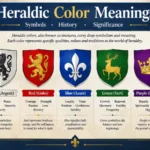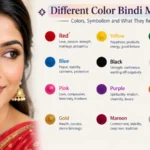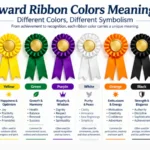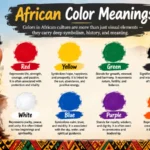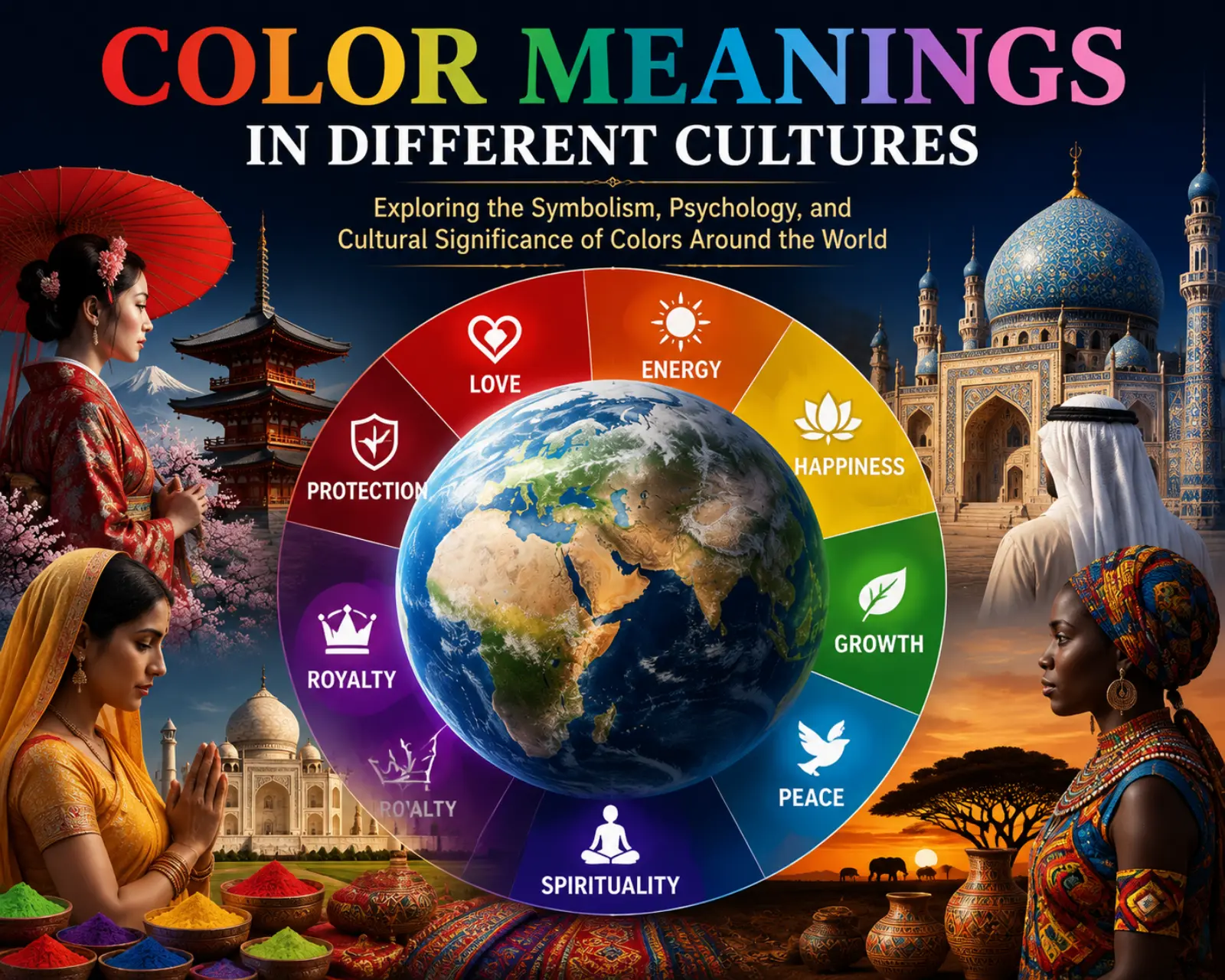
Colors communicate ideas before people read a word or hear a message. However, the same color can represent celebration in one society and mourning in another. These differences develop through religion, history, geography, politics, art, and long-standing social customs. Understanding color meanings in different cultures is therefore important in design, marketing, fashion, travel, education, and international communication.
Quick answer:
Color symbolism is not universal. Red may represent luck in China, danger in the United States, and purity in some South Asian wedding traditions. Meaning always depends on cultural and situational context.
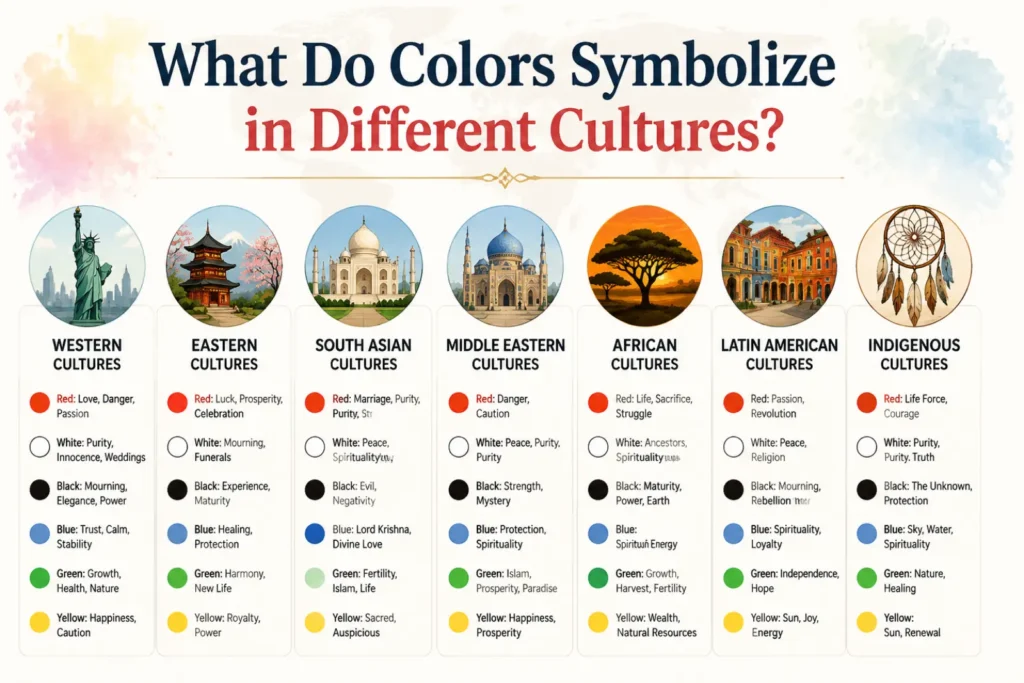
What Do Colors Symbolize in Different Cultures?
Colors commonly symbolize emotions, social values, religious beliefs, political identities, and important life events. People may associate a color with love, death, purity, wealth, danger, healing, authority, or spirituality. Exploring color meanings in different cultures helps explain why the same shade can create different emotional and social responses around the world.
These associations are learned through repeated cultural exposure. Religious clothing, national flags, ceremonies, architecture, advertising, and family traditions all influence how people interpret colors.
Common areas of color symbolism include:
- Birth and new beginnings
- Marriage and celebration
- Death and mourning
- Religion and spirituality
- Status and authority
- Health and healing
- Nature and agriculture
- Politics and national identity
- Gender and social roles
- Good luck and protection
A color rarely has only one meaning. Its symbolism may change according to shade, location, historical period, and intended use.
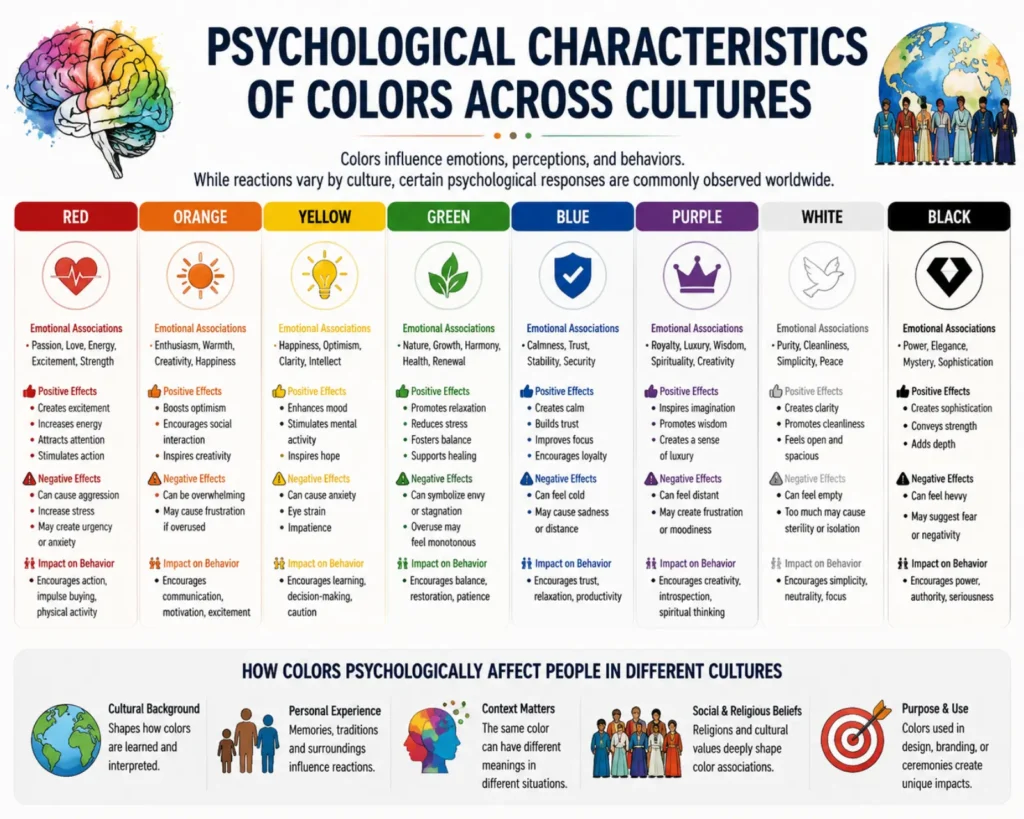
Psychological Characteristics of Colors Across Cultures
Color psychology examines how colors may influence attention, emotion, perception, and behavior. Some reactions appear broadly shared, while others depend heavily on cultural learning.
Bright colors often attract attention, while dark or muted tones may feel more serious or restrained. Warm colors such as red, orange, and yellow can appear energetic or stimulating. Cool colors such as blue and green often seem calm, spacious, or refreshing.
Common emotional associations include:
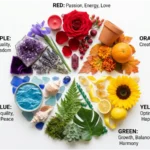
- Red: energy, passion, urgency, aggression, celebration
- Blue: calmness, trust, sadness, spirituality, authority
- Green: nature, health, prosperity, jealousy, renewal
- Yellow: optimism, caution, sacredness, illness, intellect
- White: purity, peace, mourning, simplicity, emptiness
- Black: power, elegance, death, mystery, rebellion
- Purple: royalty, spirituality, luxury, mourning, creativity
- Orange: enthusiasm, warmth, spirituality, affordability
Psychological effects may also vary by context. Red on a warning sign can create urgency, while red in a wedding dress may represent joy or prosperity. Blue in a bank logo may encourage trust, while blue lighting in an artistic setting may feel distant or melancholic.
Positive emotional responses can include:
- Comfort
- Hope
- Excitement
- Security
- Confidence
- Belonging
Negative emotional responses can include:
- Anxiety
- Isolation
- Aggression
- Sadness
- Suspicion
- Emotional fatigue
People do not react to color in exactly the same way. Personal experience, age, religion, profession, and cultural identity can influence each response.
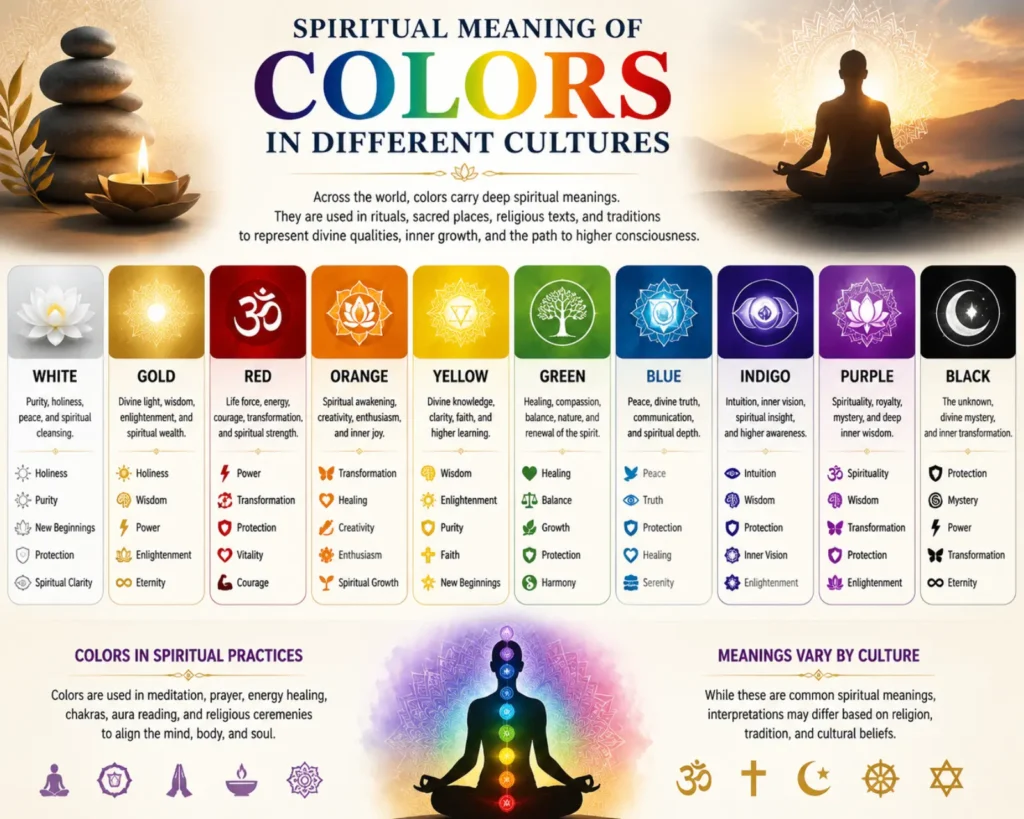
Spiritual Meaning of Colors in Different Cultures
Colors play an important role in religious practice, sacred art, ritual clothing, and spiritual symbolism. Their meanings often reflect ideas about holiness, transformation, protection, and the relationship between life and death.
Holiness
White, gold, blue, and purple frequently appear in sacred spaces and ceremonial clothing. Gold may symbolize divine glory, while white can represent holiness or spiritual cleanliness.
Wisdom
Blue, purple, and yellow may symbolize wisdom in different traditions. Blue is often associated with contemplation, while purple may represent spiritual authority.
Purity
White is widely connected with purity, but this meaning is not universal. In some Asian cultures, white is also strongly associated with death and mourning.
Transformation
Black, red, purple, and orange may represent transformation. These colors can appear in rites of passage, religious festivals, or ceremonies marking personal change.
Healing
Green, blue, white, and turquoise are commonly linked with healing. Green may represent natural restoration, while blue can suggest peace and emotional recovery.
Protection
Red, black, blue, and turquoise may be used as protective colors. Protective symbolism appears in charms, clothing, architecture, and ceremonial objects.
Power
Red, black, purple, and gold frequently represent power. Political leaders, religious authorities, military groups, and royal institutions have historically used these colors to communicate control or prestige.
Enlightenment
White, gold, yellow, and saffron may represent illumination, sacred knowledge, or spiritual awakening.
New Beginnings
White, green, yellow, and light blue often suggest renewal, hope, birth, or a fresh start.
Eternity
Blue, black, gold, and circular color symbolism may represent eternity, the heavens, the unknown, or the continuation of spiritual life.
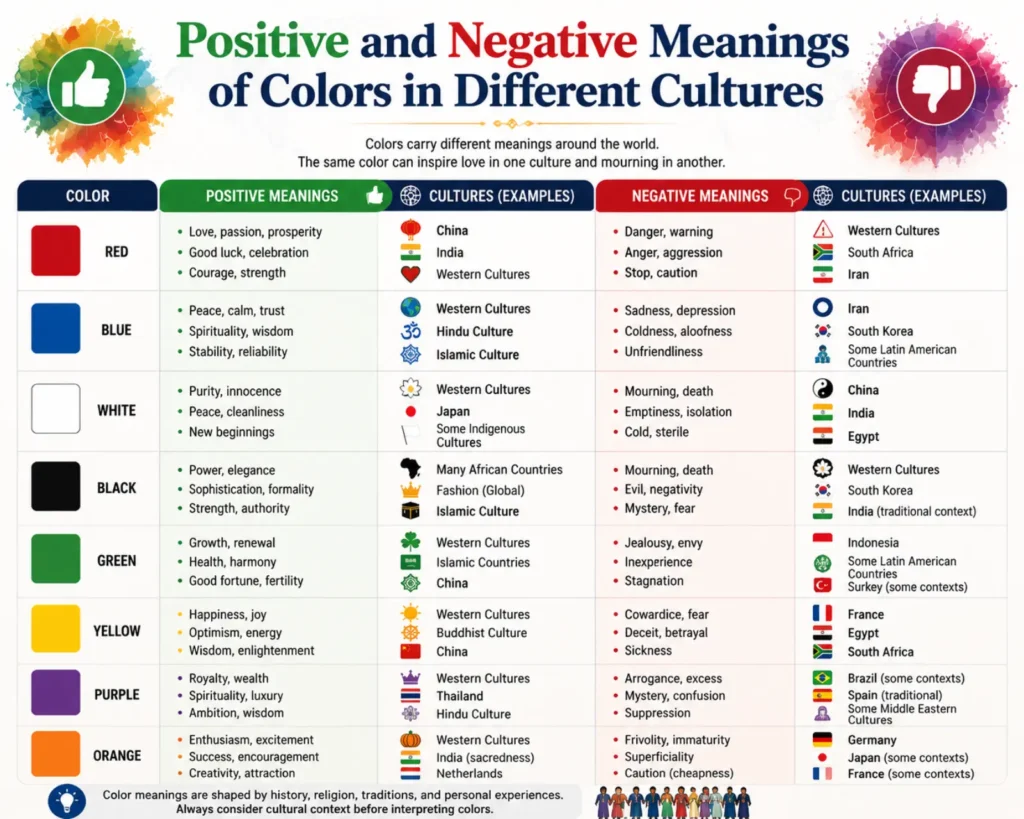
Positive and Negative Meanings of Colors in Different Cultures
Color symbolism usually includes both positive and negative interpretations.
Positive Meanings
Purity
White often represents purity in Western weddings and some religious ceremonies. Clean white clothing may communicate innocence, honesty, or sacred devotion.
Peace
White and blue commonly symbolize peace. White flags are internationally associated with surrender or a desire to stop conflict.
Simplicity
White, beige, and neutral colors are often used in minimalist design to communicate order and clarity.
Clarity
Blue and white are frequently used in healthcare, technology, and professional communication because they may suggest organization and reliability.
Freshness
Green, light blue, and white commonly appear in products related to health, water, hygiene, and nature.
Hope
Green, yellow, and light blue may represent hope and renewal. Green plants, spring landscapes, and sunrise colors often support this symbolism.
Balance
Green and neutral earth tones can communicate stability and harmony with nature.
Harmony
Blue, green, and soft neutral combinations are often used in interiors designed for relaxation.
Negative Meanings
Emptiness
White may appear empty, impersonal, or emotionally distant when used without warmth or texture.
Isolation
Gray, black, and pale blue may suggest loneliness when used in bleak visual settings.
Coldness
Blue, gray, and stark white can feel cold in clinical or highly minimalist environments.
Sterility
Too much white may remind people of hospitals, laboratories, or institutional spaces.
Boredom
Gray, beige, and repetitive neutral palettes may appear dull when there is little visual contrast.
Emotional Distance
Cool colors can sometimes create a detached or formal impression.
Perfectionism
Highly controlled white or monochromatic environments may suggest strictness, order, or fear of disorder.
Real-world meaning depends on setting. A white hospital room may communicate cleanliness, while the same white color in a mourning ceremony may represent loss.
Meanings of Colors in Different Cultures
The meaning of a color changes according to location, religion, historical experience, and social purpose. The following examples show how major colors can carry contrasting interpretations.
Red
In many Western cultures, red represents love, passion, danger, and urgency. It appears in romantic gifts, warning signs, emergency vehicles, and sales promotions.
In China, red is strongly associated with luck, prosperity, happiness, and celebration. It is common during weddings and Lunar New Year events.
In India, red may symbolize fertility, purity, marriage, and spiritual energy. Brides often wear red or red-based colors.
In parts of Africa, red may represent sacrifice, political struggle, death, or vitality, depending on the community.
White
The United States and much of Europe, white commonly represents purity, cleanliness, peace, and bridal tradition.
In China, Japan, Korea, and several other Asian societies, white may be associated with mourning, funerals, and death.
In some religious traditions, white clothing represents spiritual devotion, humility, or a purified state.
Black
In many Western societies, black represents death, mourning, mystery, elegance, and authority. It is common in formal fashion and luxury branding.
In parts of Africa, black may symbolize age, maturity, spiritual power, or ancestral identity.
In modern global culture, black also represents sophistication, rebellion, exclusivity, and strength.
Blue
In the United States and Europe, blue is often associated with trust, calmness, professionalism, and sadness.
some Middle Eastern traditions, blue is believed to offer protection against harmful attention or the evil eye.
In Hindu traditions, blue may carry sacred associations through religious figures represented with blue skin.
The corporate design, blue is widely used to communicate security and reliability.
Green
Green commonly represents nature, health, growth, renewal, and environmental awareness.
Islamic traditions, green has strong religious and cultural significance and is often associated with paradise, life, and spiritual blessing.
Western language, green can also symbolize jealousy, inexperience, or financial prosperity.
In some cultures, green may be connected with fertility, agriculture, or national identity.
Yellow
In the United States, yellow often represents happiness, energy, warmth, and caution.
China’s, yellow historically carried associations with imperial authority, prestige, and the center of power.
In some Latin American contexts, yellow may be associated with mourning or death, although interpretations differ by country.
In Buddhism, yellow or saffron-colored robes may represent humility, renunciation, and spiritual discipline.
Purple
Purple is widely associated with royalty, luxury, spirituality, creativity, and authority.
In some European and Latin American cultures, purple may also be connected with mourning, religious observance, or death.
In modern branding, purple often appears in beauty, wellness, premium, and imaginative products.
Orange
Orange commonly represents warmth, energy, confidence, enthusiasm, and creativity.
In Hinduism and Buddhism, saffron and orange tones can symbolize spirituality, sacrifice, purity, and religious devotion.
In marketing, orange may communicate affordability, friendliness, and action.
Gold
Gold represents wealth, prestige, success, sacredness, and divine light in many cultures.
It appears in royal clothing, religious art, luxury packaging, and ceremonial decoration.
Silver
Silver may symbolize modernity, technology, elegance, intuition, and the moon. It is commonly used in automotive, electronics, jewelry, and futuristic design.
Feng Shui
In feng shui, colors are often connected with the five elements: wood, fire, earth, metal, and water.
- Green and brown: Wood element; growth, health, family
- Red and strong orange: Fire element; passion, visibility, energy
- Yellow, beige, and earthy tones: Earth element; stability, nourishment
- White, gray, and metallic colors: Metal element; clarity, precision
- Blue and black: Water element; flow, wisdom, career energy
Practical room applications include:
- Green in living spaces for renewal
- Blue in calm work or meditation areas
- Earth tones in bedrooms for stability
- White in organized spaces for clarity
- Red as a limited accent where energy is needed
Recommended combinations depend on the intended atmosphere. Blue with white can feel calm and clean, while green with natural wood tones can create a grounded environment.
Marketing
Brands use color to shape consumer perception and make products more recognizable. International brands must understand color meanings in different cultures before launching campaigns in new markets.
Common branding associations include:
- Blue for trust and professionalism
- Red for urgency and excitement
- Green for health and sustainability
- Black for luxury and exclusivity
- Yellow for optimism and visibility
- Purple for creativity and premium positioning
- Orange for affordability and enthusiasm
Examples include brands that use blue to support reliability, red to attract attention, or green to suggest natural products. However, international companies must consider local interpretations before using the same color strategy in every market.
Product packaging also relies on color. Green packaging may suggest organic ingredients, while black packaging can indicate a premium product. Red may stimulate attention but could also appear aggressive in certain contexts.
Design
Color meanings in different cultures are highly relevant in interior, graphic, web, and user-experience design.
Interior Design
Designers use color to create atmosphere. Warm colors can make rooms feel energetic, while cool colors often create a calmer effect.
Graphic Design
Graphic designers use color hierarchy to guide attention, separate information, and communicate mood.
Web Design
In web design, color affects navigation, readability, accessibility, and user trust. Buttons, alerts, backgrounds, and links must remain visually clear.
User Experience
Red frequently signals errors or warnings, while green often indicates success. These conventions are common but should still be tested for cultural relevance and accessibility.
Minimalist Aesthetics
White, gray, beige, and black dominate many minimalist designs. These colors can communicate clarity and sophistication, but excessive neutrality may feel cold or generic.
Fashion
Color in clothing communicates identity, mood, status, and cultural belonging.
Examples include:
- Black for formal wear, authority, or elegance
- White for weddings, religious events, or mourning
- Red for confidence, romance, celebration, or marriage
- Blue for professionalism and calmness
- Green for freshness, nature, or cultural identity
- Purple for luxury, creativity, or ceremonial use
Seasonal fashion also affects color use. Pastels often appear in spring, bright tones in summer, earthy colors in autumn, and dark or jewel tones in winter.
Advantages of color in fashion include stronger self-expression and visual impact. Disadvantages include cultural misunderstanding, dress-code conflict, or unintended symbolism.
Color Associations Are Not Universal
Color symbolism changes across societies. No single interpretation applies equally everywhere.
Western Cultures
Western color meanings often connect white with weddings, black with mourning, red with love or danger, and blue with trust. These examples show why color meanings in different cultures must be studied within their specific social and historical background.
Eastern Cultures
Eastern interpretations vary widely. Red may represent luck in China, while white may represent mourning in several East Asian societies.
Religious Traditions
Religious traditions give colors sacred meanings. Green is significant in Islam, saffron in Hinduism and Buddhism, and purple or white in several Christian contexts.
Historical Interpretations
Historically, some colors were restricted by cost or law. Purple became associated with royalty because purple dye was once rare and expensive. Gold indicated wealth because of its material value.
Modern Global Interpretations
Global media and international brands have created some shared associations. Green increasingly represents sustainability, blue represents technology and trust, and black represents luxury. Even so, local traditions remain influential.
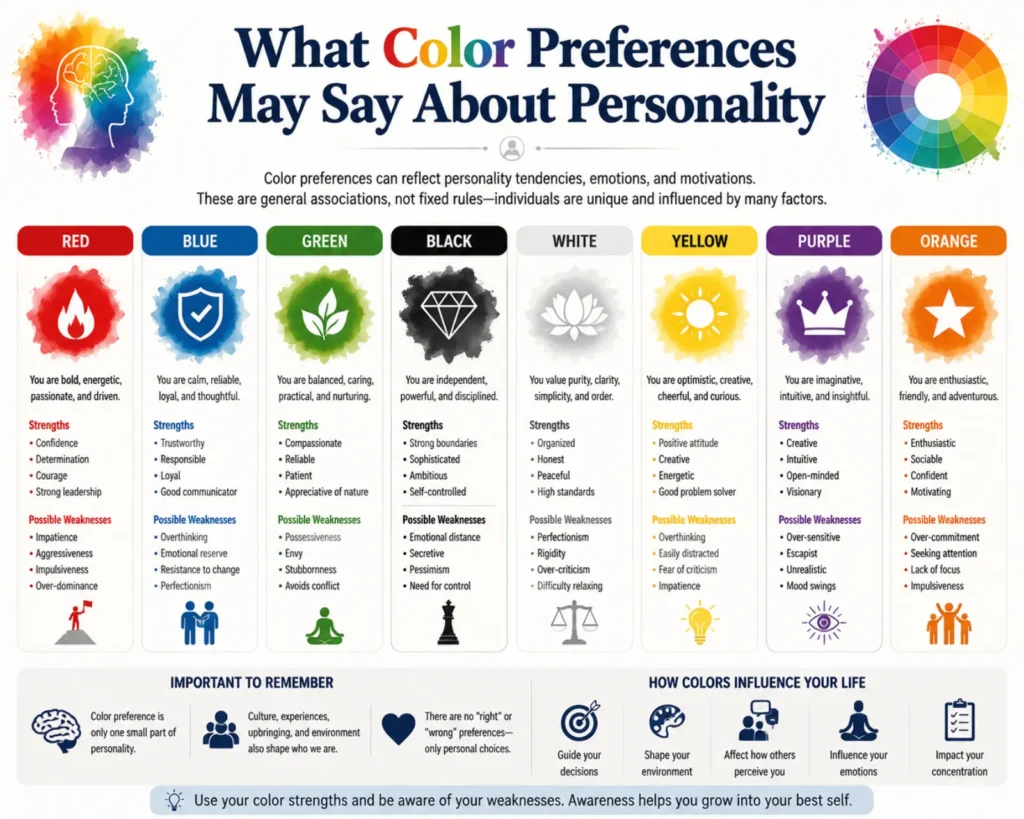
What Color Preferences May Say About Personality
People often associate color preferences with personality traits, but these interpretations are not scientifically certain. Preferences can change with mood, age, trends, and environment.
Red Preference
Possible strengths:
- Confidence
- Energy
- Determination
- Passion
Possible weaknesses:
- Impatience
- Aggression
- Impulsiveness
Blue Preference
Possible strengths:
- Reliability
- Calmness
- Loyalty
- Thoughtfulness
Possible weaknesses:
- Emotional reserve
- Overcaution
- Resistance to change
Green Preference
Possible strengths:
- Balance
- Compassion
- Practical thinking
- Appreciation of nature
Possible weaknesses:
- Possessiveness
- Envy
- Avoidance of conflict
Black Preference
Possible strengths:
- Independence
- Discipline
- Sophistication
- Strong boundaries
Possible weaknesses:
- Emotional distance
- Secrecy
- Excessive control
White Preference
Possible strengths:
- Organization
- Simplicity
- Clarity
- Self-discipline
Possible weaknesses:
- Perfectionism
- Rigidity
- Emotional restraint
Purple Preference
Possible strengths:
- Creativity
- Imagination
- Individuality
- Spiritual interest
Possible weaknesses:
- Idealism
- Sensitivity
- Escapism
Color preferences may influence fashion, workspace design, and buying choices, but they should never be used as a fixed personality diagnosis.
How to Avoid Cultural Color Mistakes
International brands, designers, and travelers should research local color customs before making important decisions.
Useful practices include:
- Study local wedding and funeral traditions.
- Review religious associations.
- Avoid assuming Western meanings apply globally.
- Test branding with local audiences.
- Consider regional differences within the same country.
- Use native-language cultural consultants where appropriate.
- Review political and historical symbolism.
- Check whether a color is associated with a social movement.
- Consider shade differences, not only the basic color name.
A bright red package may look festive in one market and aggressive in another. White flowers may suggest innocence in one country and mourning in another.
Frequently Asked Questions
What defines color meaning in a culture?
Color meaning develops through history, religion, language, social customs, politics, art, and repeated public use.
What do colors symbolize in different cultures?
Color meanings in different cultures vary because societies develop their own associations through history, traditions, religion, and social experiences.
Why are color meanings important?
They influence communication, branding, fashion, ceremonies, design, and social behavior. Misunderstanding color symbolism can create confusion or offense.
Is red always associated with love?
No. Red may symbolize love in Western culture, luck in China, marriage in India, or danger and sacrifice in other contexts.
Is white always a symbol of purity?
No. White represents purity in many Western traditions but may represent mourning and death in several Asian cultures.
What emotions do colors represent?
Common associations include red with excitement, blue with calmness, green with renewal, yellow with optimism, and black with seriousness. These reactions vary by context.
What do colors mean spiritually?
Colors may represent holiness, transformation, healing, protection, power, enlightenment, or eternal life.
What colors pair well together across cultures?
Neutral combinations such as blue and white, green and beige, or black and gold are widely used, but their meaning should still be evaluated for the intended audience.
What does liking a color say about a person?
A color preference may suggest certain moods or aesthetic tastes, but it does not reliably determine personality.
Which color has the most different cultural meanings?
Red, white, and black carry some of the most varied meanings because they appear frequently in ceremonies, religion, politics, and social customs.
How do brands use cultural color symbolism?
Brands adapt colors to communicate trust, excitement, health, luxury, or affordability. International campaigns often modify palettes for local markets.
Can color meanings change over time?
Yes. Political events, technology, fashion, advertising, and social movements can alter how people interpret colors.
Conclusion
Understanding color meanings in different cultures helps people communicate more accurately across borders. A color that suggests joy, purity, or prosperity in one society may represent mourning, danger, or political identity in another. Understanding color meanings in different cultures requires looking at religion, history, geography, art, and collective experience.
The safest approach is to avoid treating color meanings as universal rules. Research the cultural context, consider the purpose of the color, and examine how local audiences may interpret it. This approach supports more respectful communication, stronger design, and better international marketing.