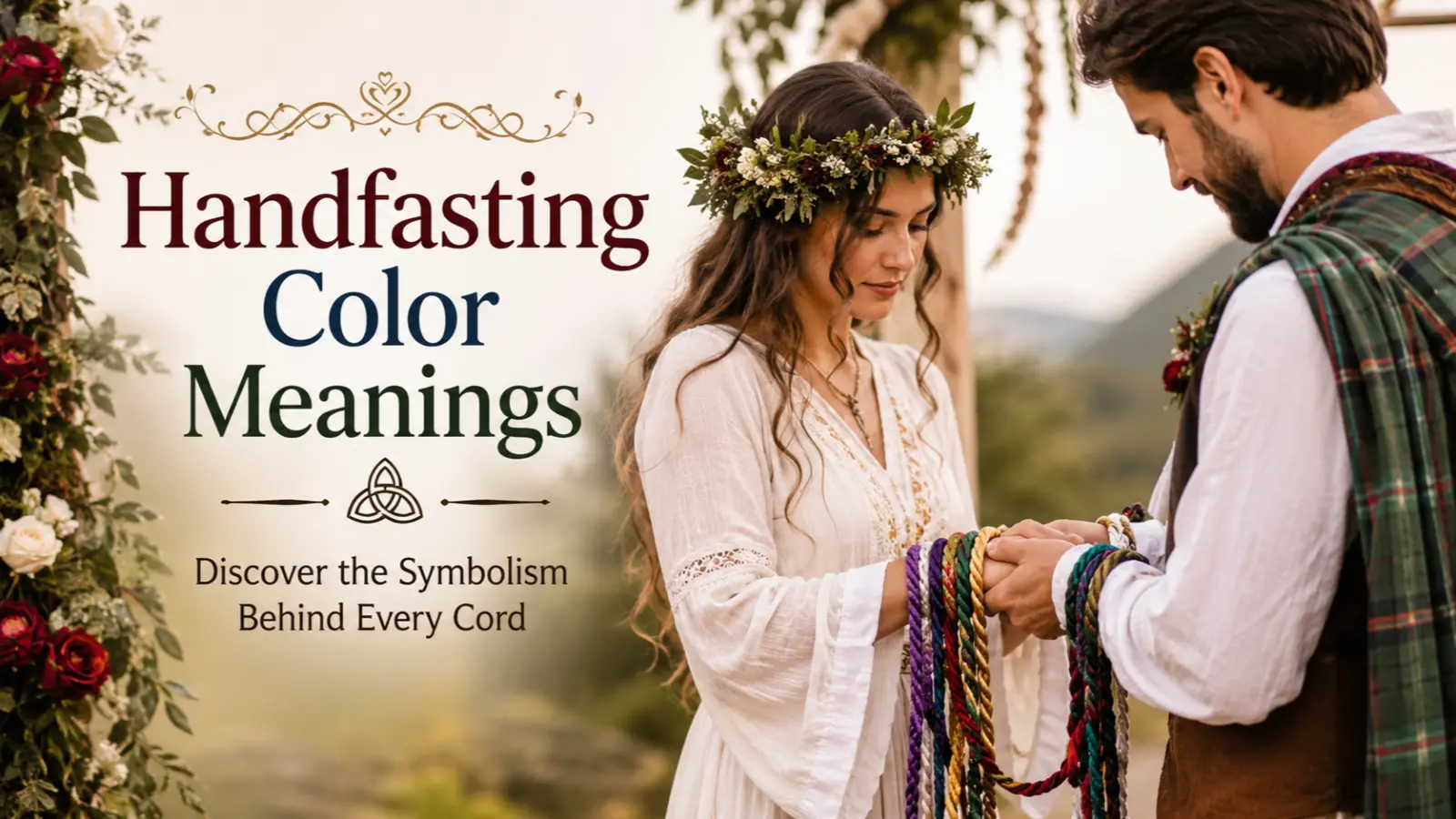
Handfasting is an ancient ceremonial tradition in which a couple’s hands are bound together with one or more cords or ribbons to symbolize their commitment, unity, and shared future. Each handfasting cord color carries its own unique symbolism, allowing couples to personalize their ceremony according to their values, goals, and spiritual beliefs.
From passionate red and peaceful blue to prosperous green and pure white, every color contributes a deeper layer of meaning to the ritual. Understanding handfasting color meanings helps create a ceremony that reflects love, trust, growth, and lifelong partnership.
Quick Answer:
Handfasting color meanings represent different blessings and intentions, such as love, loyalty, prosperity, protection, wisdom, fertility, healing, and spiritual connection, allowing couples to customize their wedding ceremony with meaningful symbolism.
What Does the Color Handfasting Symbolize?
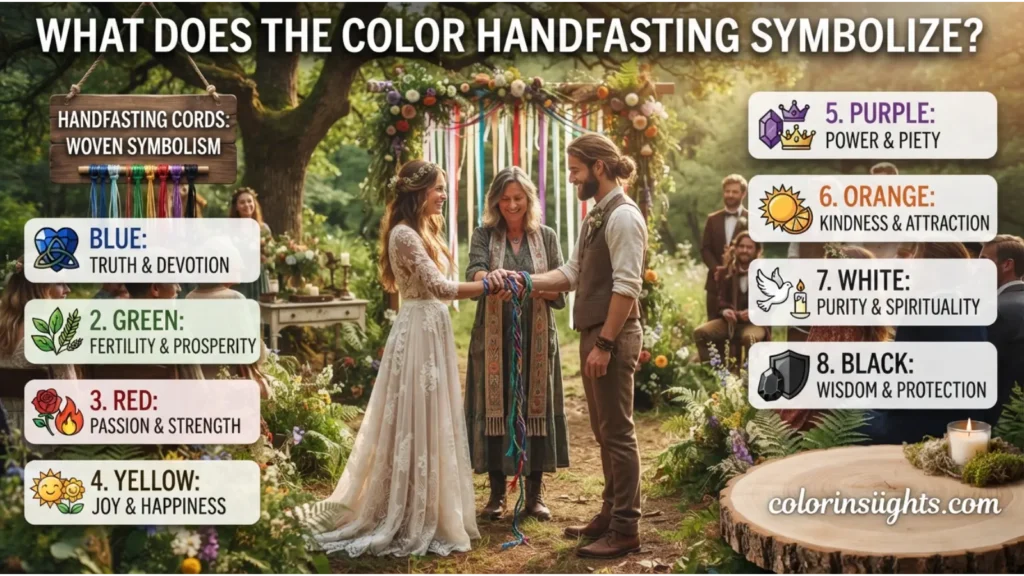
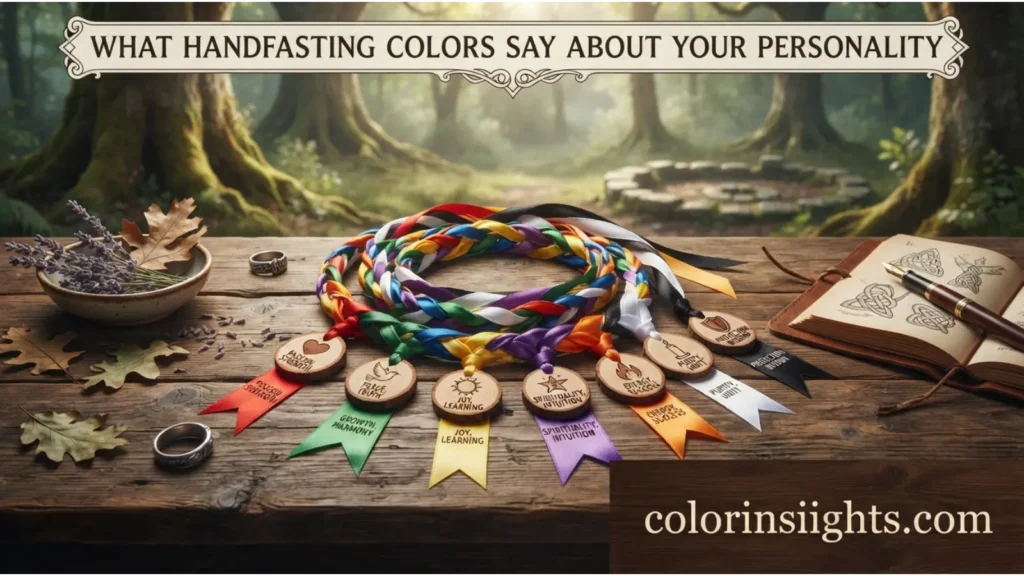
Unlike traditional color symbolism that focuses on a single shade, handfasting color meanings refer to the symbolic purpose behind each colored cord used during the ceremony. Every ribbon or cord represents a blessing or promise the couple wishes to weave into their marriage.
Common symbolic meanings include:
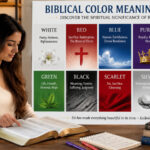
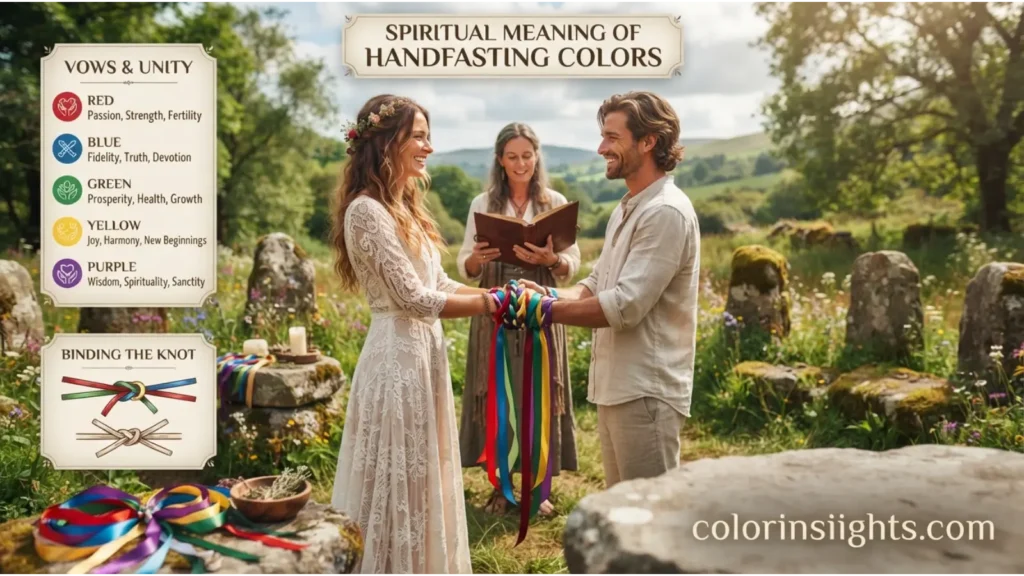
- Red: Passion, romance, courage, and desire.
- Blue: Loyalty, honesty, communication, and trust.
- Green: Growth, prosperity, fertility, and abundance.
- White: Purity, sincerity, peace, and new beginnings.
- Purple: Spiritual wisdom, dignity, and higher purpose.
- Gold: Success, happiness, prosperity, and divine blessings.
- Silver: Intuition, emotional balance, and protection.
- Pink: Tender love, affection, compassion, and kindness.
- Yellow: Joy, optimism, creativity, and friendship.
- Orange: Enthusiasm, vitality, adventure, and confidence.
- Black: Strength, resilience, protection, and commitment through hardship.
- Brown: Stability, grounding, reliability, and family.
- Gray: Balance, patience, maturity, and compromise.
Most couples combine several colors so their cords symbolize multiple hopes for their relationship.
Psychological Characteristics of Handfasting Colors
Color psychology suggests that colors influence emotions, perceptions, and interpersonal relationships. In a handfasting ceremony, each color reinforces the emotional intentions behind the vows.
Emotional Associations
- Red encourages excitement and deep emotional connection.
- Blue promotes calmness and honest communication.
- Green evokes renewal and long-term growth.
- White inspires clarity and trust.
- Purple encourages spiritual awareness.
- Gold creates feelings of optimism and achievement.
Psychological Effects
Colors influence how participants experience the ceremony by:
- Creating emotional warmth.
- Enhancing feelings of commitment.
- Reinforcing shared values.
- Strengthening symbolic memories.
- Encouraging mindfulness during vows.
Positive Emotional Responses
- Love
- Hope
- Security
- Compassion
- Joy
- Confidence
- Peace
- Gratitude
Negative Emotional Responses
Depending on context, certain colors may also evoke:
- Overwhelming passion (red)
- Emotional distance (gray)
- Excessive seriousness (black)
- Perfectionism (white)
- Jealousy or possessiveness (green in some interpretations)
Impact on Mood and Behavior
Color symbolism helps couples focus on the qualities they wish to cultivate throughout married life. Choosing intentional colors often makes the ceremony feel more personal and memorable.
Typical Reactions
Guests often perceive thoughtfully selected handfasting colors as meaningful expressions of the couple’s personality, culture, spirituality, and future aspirations.
Spiritual Meaning of Handfasting Colors
Handfasting ceremonies have roots in Celtic traditions but are now practiced across many spiritual and secular weddings. Color symbolism often reflects universal spiritual themes.
Holiness
- White symbolizes sacred commitment.
- Gold represents divine blessings.
- Purple reflects spiritual devotion.
Wisdom
- Purple encourages wisdom and lifelong learning.
- Blue represents thoughtful communication.
Purity
- White symbolizes honesty, integrity, and faithful love.
- Silver represents emotional clarity.
Transformation
- Green reflects personal growth.
- Orange symbolizes positive change.
- Red represents transformation through love.
Healing
- Green encourages emotional healing.
- Blue promotes peaceful resolution.
- Pink supports compassion and forgiveness.
Protection
- Black symbolizes resilience and protection.
- Silver is associated with intuition and spiritual safeguarding.
Power
- Red represents courage.
- Gold symbolizes success.
- Purple reflects noble strength.
Enlightenment
- Purple encourages spiritual awareness.
- White symbolizes higher understanding.
New Beginnings
- White marks fresh starts.
- Green reflects new opportunities.
- Yellow symbolizes hopeful optimism.
Eternity
Braiding multiple cords together symbolizes two lives becoming permanently connected while honoring individuality and mutual respect.
Positive and Negative Meanings of Handfasting Colors
Positive Meanings
Handfasting colors commonly represent:
- Purity: White cords symbolize honest intentions.
- Peace: Blue encourages harmony during challenges.
- Simplicity: Natural linen or white ribbons reflect authenticity.
- Clarity: Silver and white symbolize open communication.
- Freshness: Green celebrates new chapters together.
- Hope: Yellow inspires optimism for the future.
- Balance: Gray reminds couples to compromise.
- Harmony: Pink and blue together represent emotional balance.
Real-world example:
A couple choosing green, blue, and white may wish to emphasize growth, trust, and peaceful partnership.
Negative Meanings
Some colors can have less favorable interpretations depending on culture and personal perspective.
- Emptiness: Excessive white may appear emotionally distant.
- Isolation: Gray sometimes symbolizes emotional reserve.
- Coldness: Silver and gray may seem formal.
- Sterility: Minimal white-only ceremonies may feel impersonal.
- Boredom: Neutral colors without contrast can lack emotional warmth.
- Emotional Distance: Dark colors may seem less expressive.
- Perfectionism: White can symbolize unrealistic expectations.
Real-world example:
A ceremony using only black and gray cords might unintentionally appear somber unless balanced with brighter colors representing hope or joy.
Meanings of Handfasting Colors
Handfasting cord meanings depend on personal beliefs, family traditions, cultural heritage, and the story each couple wishes to tell. The same color may carry different symbolism across communities, making customization one of the ceremony’s greatest strengths.
Feng Shui
Although handfasting originates from Celtic traditions, many couples incorporate Feng Shui color principles.
- Associated element: Varies by color (green–Wood, red–Fire, white–Metal, blue–Water, yellow–Earth).
- Energy symbolism: Colors invite harmony, prosperity, protection, and emotional balance.
- Best rooms: White for bedrooms, green for living spaces, blue for meditation rooms.
- Recommended combinations: Green and blue, white and gold, red and gold.
- Decorating tips: Match ribbon colors with flowers, candles, and wedding décor for a cohesive symbolic theme.
Marketing
Color psychology strongly influences branding and consumer trust.
- Builds emotional recognition.
- Communicates values instantly.
- Creates memorable visual identity.
- Increases perceived reliability.
Common examples include:
- Blue: IBM, Facebook, PayPal (trust).
- Red: Coca-Cola, Netflix, Target (energy).
- Green: Starbucks, Whole Foods (growth).
- Purple: Hallmark, Cadbury (luxury).
- Yellow: McDonald’s, IKEA (optimism).
These associations help explain why couples naturally connect certain colors with specific emotions.
Design
Handfasting colors inspire numerous design fields.
- Interior designers use calming blues and greens.
- Graphic designers employ color symbolism to guide attention.
- Web designers use blue for trust and green for success messages.
- UX designers rely on color to improve usability.
- Minimalist aesthetics frequently incorporate white, gray, and natural earth tones.
Fashion
Wedding attire often complements handfasting cord colors.
- White represents timeless elegance.
- Green suits nature-inspired weddings.
- Burgundy and red create dramatic romance.
- Purple reflects regal sophistication.
- Gold adds luxury.
Advantages
- Creates visual harmony.
- Personalizes ceremonies.
- Enhances wedding photography.
- Reflects personality.
Disadvantages
- Some colors may conflict with cultural traditions.
- Overusing bold colors may distract from the ceremony.
Color Associations Are Not Universal
Color symbolism changes across cultures, religions, and historical periods.
Western Cultures
In many Western countries, white represents weddings, purity, and innocence, while red symbolizes romance. Blue commonly reflects loyalty and stability.
Eastern Cultures
In several East Asian traditions, red symbolizes happiness, celebration, prosperity, and good fortune. White may instead represent mourning or remembrance.
Religious Traditions
Christian ceremonies often associate white with holiness and divine grace. Pagan and Wiccan traditions may emphasize green for nature, purple for spiritual wisdom, and gold for divine energy.
Historical Interpretations
Ancient Celtic traditions focused more on the symbolic promises represented by the cords than on fixed color meanings. Modern interpretations have expanded to include contemporary color psychology.
Modern Global Interpretations
Today’s couples often blend cultural heritage, personal preferences, and psychological symbolism when selecting handfasting colors. This flexibility makes the ritual inclusive and deeply personal.
What Handfasting Colors Say About Your Personality
Although favorite colors cannot accurately determine personality, they often reflect preferences, values, and emotional tendencies.
People drawn to specific handfasting colors may display the following characteristics:
Strengths
- Compassion
- Loyalty
- Creativity
- Emotional intelligence
- Optimism
- Commitment
- Spiritual curiosity
Weaknesses
- Idealism
- Sensitivity
- Perfectionism
- Emotional intensity
- Risk avoidance
- Stubbornness
Social Behavior
Individuals often prefer relationships built on honesty, communication, and mutual respect. They may value tradition while remaining open to personalization.
Work Style
Many appreciate teamwork, long-term planning, and dependable partnerships. Creative personalities may prefer colorful symbolism that reflects innovation.
Relationships
People attracted to meaningful color symbolism frequently prioritize emotional connection, trust, empathy, and shared values over material success.
Emotional Tendencies
Color preferences may reflect current emotional needs rather than permanent personality traits. Someone choosing green today may seek healing or growth, while another choosing blue may value peace and stability.
Therefore, color preferences should be viewed as expressions of intention rather than scientific indicators of personality.
FAQs:
What defines handfasting color meanings?
Handfasting color meanings are the symbolic interpretations assigned to each ribbon or cord used during a handfasting ceremony to represent blessings, promises, and shared values.
What do handfasting colors symbolize?
They symbolize qualities such as love, loyalty, prosperity, healing, courage, wisdom, protection, peace, and lifelong commitment.
Why are handfasting colors important?
They personalize the ceremony and allow couples to express the values they want to bring into their marriage.
Are handfasting color meanings universal?
No. Meanings vary by culture, religion, family traditions, and personal interpretation.
What emotions do handfasting colors represent?
Depending on the color, they may represent love, hope, trust, joy, compassion, confidence, serenity, or spiritual connection.
What is the spiritual meaning of handfasting colors?
Spiritually, they symbolize sacred union, divine blessings, transformation, protection, healing, wisdom, and eternal partnership.
What colors pair well in a handfasting ceremony?
Popular combinations include white and gold, blue and green, red and gold, purple and silver, or pink with white.
What do handfasting colors say about a person?
They may reflect personal values and aspirations, such as seeking harmony, growth, loyalty, or creativity, but they do not scientifically determine personality.
Can couples create their own color meanings?
Yes. Many couples assign personal symbolism to each cord, making the ceremony unique to their relationship.
How many colors should a handfasting cord include?
There is no fixed rule. Most ceremonies use two to seven colors, depending on the symbolism the couple wishes to include.
Conclusion
Handfasting color meanings transform a beautiful wedding tradition into a deeply personal expression of love, commitment, and shared purpose. Every cord color—from passionate red and peaceful blue to prosperous green and pure white—adds symbolic depth to the ceremony while reflecting the couple’s unique journey together.
Because color meanings vary across cultures and personal beliefs, there is no single “correct” combination. The most meaningful handfasting colors are those that represent your values, hopes, and future together.
By thoughtfully selecting each ribbon, couples create a lasting symbol of unity that blends tradition, psychology, spirituality, and personal storytelling into one unforgettable ceremony.