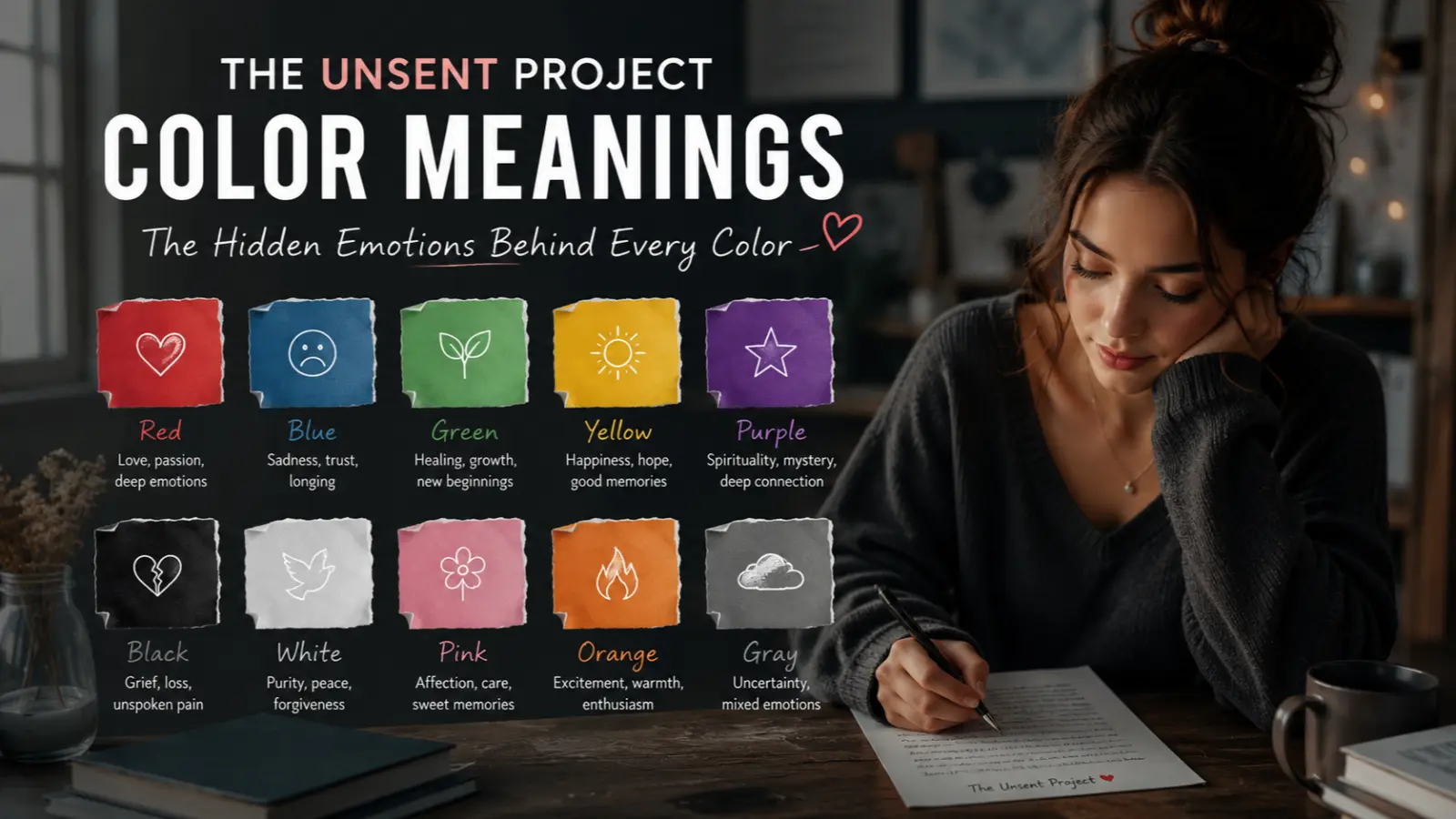
The Unsent Project Color is a popular online collection of anonymous messages that people wish they had sent to someone important in their lives. A defining feature of the project is its use of colors.
Before submitting a message, contributors choose the color they most associate with the recipient. These colors represent emotions, memories, and personal perceptions rather than scientifically proven meanings.
As a result, The Unsent Project color meanings have become a fascinating blend of emotional symbolism, color psychology, and personal storytelling.
Quick Answer:
The Unsent Project color meanings represent the emotions people associate with someone they never fully expressed themselves to. While inspired by general color psychology, each color reflects personal feelings, memories, relationships, and emotional experiences.
What Does the Unsent Project Color Symbolize?
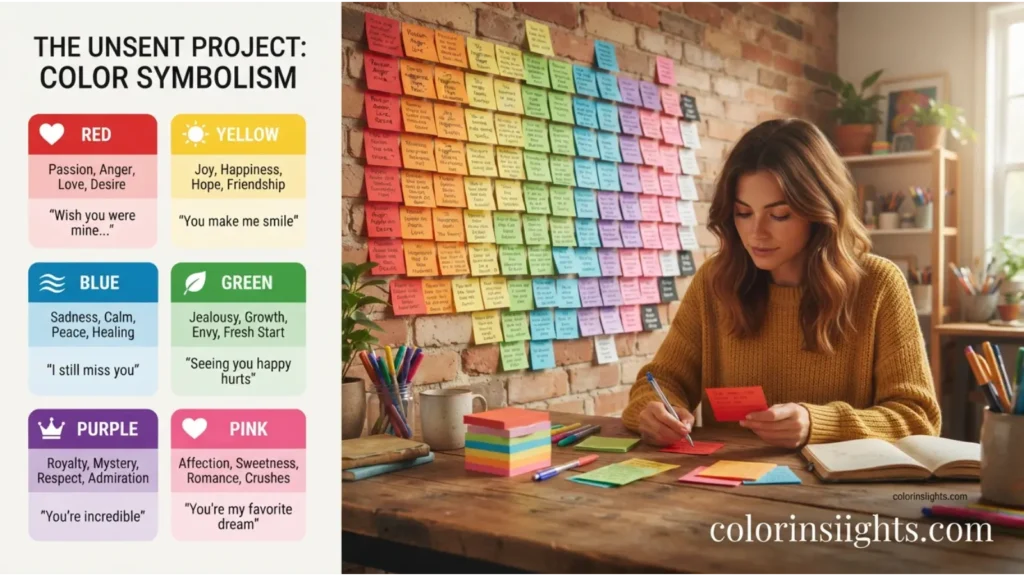
Unlike traditional color symbolism, The Unsent Project color meaning is based on emotional association rather than fixed definitions. Every participant chooses the color that best reflects how they perceive the person receiving the unsent message.
For example:
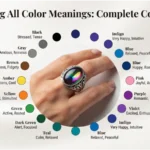
- Red often symbolizes passionate love, anger, or intense emotional attachment.
- Blue commonly represents calmness, sadness, trust, or emotional distance.
- Yellow may reflect happiness, nostalgia, friendship, or cherished memories.
- Green is frequently connected with healing, growth, jealousy, or hope.
- Black often symbolizes grief, loss, mystery, or unresolved emotions.
- White may represent innocence, peace, forgiveness, or emotional closure.
- Pink typically reflects affection, tenderness, admiration, or youthful love.
- Purple often symbolizes creativity, mystery, spiritual connection, or deep admiration.
- Orange can represent enthusiasm, warmth, excitement, or emotional energy.
The colors are intentionally subjective, allowing each person to assign a unique emotional meaning based on their own experiences.
What are the 4 colors of feelings?
A common four-color feelings framework uses:
- Red — anger, frustration, or intense feelings
- Blue — sadness, loneliness, or calmness
- Yellow — happiness, excitement, or optimism
- Green — balance, relaxation, safety, or contentment
However, there is no universal scientific system assigning exactly four colors to feelings. Meanings vary by culture, psychology framework, and context.
Psychological Characteristics of the Unsent Project Color
From a color psychology perspective, The Unsent Project combines established emotional color associations with deeply personal memories. The chosen color often reflects how individuals emotionally process relationships rather than objective personality traits.
Emotional Associations
- Love and attachment
- Regret
- Longing
- Nostalgia
- Hope
- Gratitude
- Forgiveness
- Loss
Psychological Effects
- Encourages emotional reflection
- Helps individuals externalize hidden feelings
- Supports emotional processing through symbolic expression
- Creates a visual connection between emotions and memories
Positive Emotional Responses
- Emotional healing
- Self-awareness
- Acceptance
- Compassion
- Hope for closure
- Gratitude for meaningful experiences
Negative Emotional Responses
- Sadness
- Heartbreak
- Anxiety
- Regret
- Loneliness
- Emotional confusion
Impact on Mood and Behavior
Choosing a symbolic color often helps people organize complex emotions. It can reduce emotional overload by giving feelings a visual identity, making difficult experiences easier to understand and communicate.
How People Typically React
People often:
- Feel emotionally validated
- Recall significant memories
- Interpret colors differently based on personal experiences
- Connect emotionally with others who share similar stories
It is important to remember that these reactions vary widely between individuals.
Spiritual Meaning of the Unsent Project Color
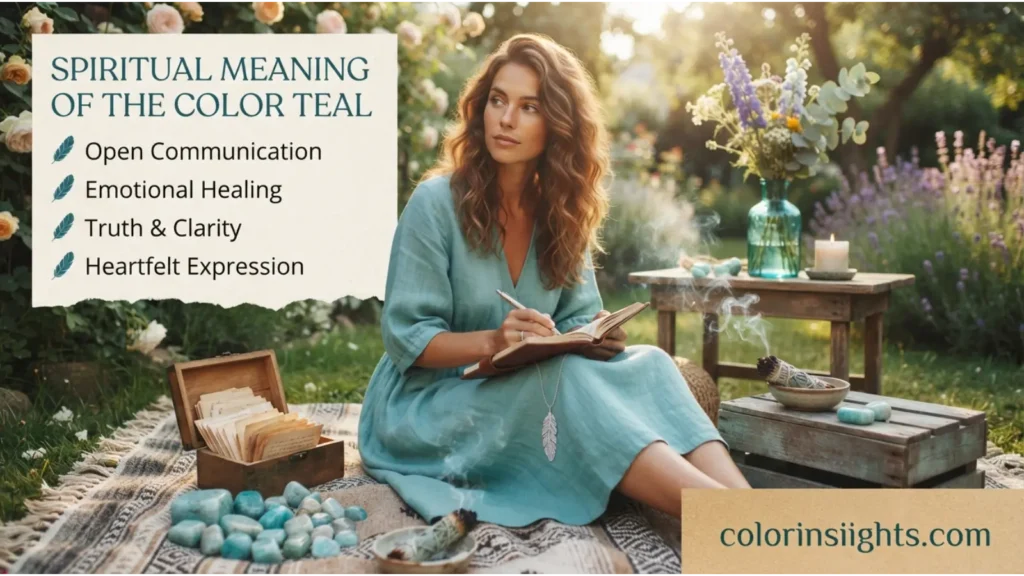
The colors used in The Unsent Project are not officially linked to any religion or spiritual tradition. However, many participants naturally connect color symbolism with broader spiritual concepts.
Depending on the selected color, meanings may include:
- Holiness: White may symbolize purity, innocence, or divine peace.
- Wisdom: Blue and purple often represent inner understanding and reflection.
- Purity: White frequently symbolizes sincerity and honest intentions.
- Transformation: Green commonly represents emotional growth and personal healing.
- Healing: Soft blue and green are often associated with recovery and emotional balance.
- Protection: Black can symbolize emotional boundaries or protection after painful experiences.
- Power: Red may represent emotional courage, determination, and strength.
- Enlightenment: Purple is frequently linked with spiritual awareness and intuition.
- New Beginnings: Yellow and green often symbolize optimism and fresh starts.
- Eternity: Blue may represent enduring memories and lasting emotional bonds.
These interpretations come from broader color symbolism rather than official meanings within The Unsent Project itself.
Positive and Negative Meanings of the Unsent Project Color
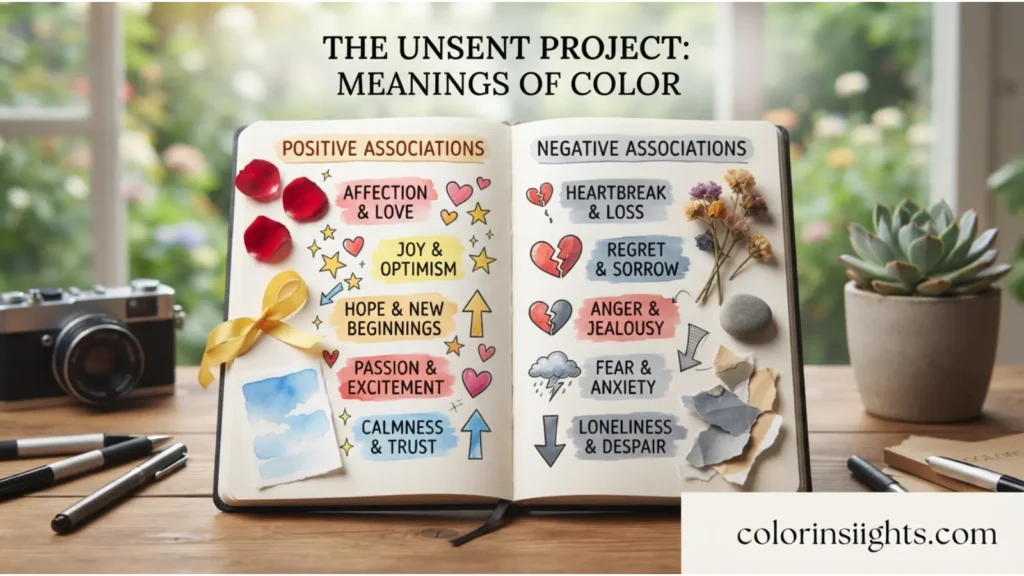
Because every color reflects personal emotions, both positive and negative interpretations are possible.
Positive Meanings
Colors within The Unsent Project can symbolize:
- Love and compassion
- Peace and forgiveness
- Hope for reconciliation
- Emotional clarity
- Personal growth
- Fresh perspectives
- Balance after emotional hardship
- Harmonious memories
Real-world example:
Someone selecting green after ending a difficult relationship may associate the color with healing and moving forward rather than sadness.
Negative Meanings
Colors may also reflect painful emotions such as:
- Emptiness after separation
- Isolation from loved ones
- Emotional coldness
- Broken trust
- Loneliness
- Regret
- Unresolved grief
- Perfectionism in relationships
Real-world example:
Choosing black may represent mourning the loss of a relationship, while gray may symbolize emotional uncertainty and unresolved feelings.
Meanings of the Color The Unsent Project
The meaning of every color changes depending on personal history, cultural background, personality, and the relationship involved. Unlike traditional color psychology, there is no official dictionary assigning one universal meaning to each color.
Feng Shui
Although The Unsent Project is unrelated to Feng Shui, general color symbolism can provide interesting insights.
- Associated elements: Vary by color (Red–Fire, Blue–Water, Green–Wood, White–Metal, Black–Water).
- Energy symbolism: Each color represents a different emotional energy.
- Best rooms: Blue suits bedrooms, green works well in living spaces, yellow brightens kitchens, and white complements home offices.
- Recommended color combinations: White with blue, green with beige, black with gold, or yellow with gray.
- Home decorating tips: Use calming colors for relaxation and brighter colors to encourage creativity and positivity.
Marketing
Brands carefully use color psychology to influence customer perception.
Color choices communicate:
- Brand personality
- Trustworthiness
- Emotional appeal
- Product quality
- Customer expectations
For example:
- Coca-Cola uses red to express excitement and energy.
- Facebook and PayPal use blue to communicate trust and reliability.
- Starbucks uses green to represent growth and sustainability.
- McDonald’s combines red and yellow to encourage energy and appetite.
- Apple often uses white and silver to reinforce simplicity and innovation.
The emotional associations seen in The Unsent Project demonstrate how strongly color influences human perception.
Design
Color plays a major role in visual communication.
In design, colors help create:
- Visual hierarchy
- Emotional atmosphere
- Brand identity
- User engagement
- Accessibility
- Minimalist aesthetics
Interior designers also use color to influence mood. Warm colors create energy, while cool colors promote calmness. Neutral colors provide flexibility and sophistication.
Fashion
Colors strongly influence personal style and first impressions.
They affect:
- Clothing symbolism
- Seasonal trends
- Emotional expression
- Confidence
- Social perception
For example:
- Black conveys elegance and authority.
- White represents freshness and simplicity.
- Blue creates a trustworthy appearance.
- Red attracts attention and confidence.
- Green suggests balance and natural beauty.
Choosing clothing colors often communicates emotions without words.
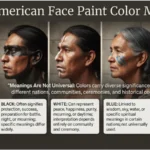
Color Associations Are Not Universal
Although color psychology identifies common emotional patterns, meanings vary across cultures and personal experiences.
Western Cultures
White usually symbolizes weddings and purity, while black commonly represents mourning. Red often reflects romance, excitement, or passion.
Eastern Cultures
In several East Asian traditions, white has historically been associated with mourning, while red symbolizes celebration, prosperity, happiness, and good fortune.
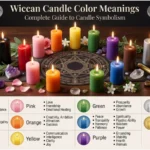
Religious Traditions
Many religions assign symbolic meanings to colors. White often represents holiness, green symbolizes paradise in Islamic traditions, purple is linked with royalty and spirituality in Christianity, and saffron represents sacrifice in several Eastern religions.
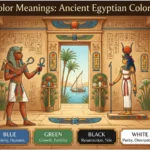
Historical Interpretations
Throughout history, colors have reflected wealth, power, social status, and political identity. Purple, for example, was once reserved for royalty because purple dye was extremely expensive.
Modern Global Interpretations
Today, digital communities such as The Unsent Project create new emotional meanings for colors. Online culture allows individuals to redefine traditional symbolism through personal storytelling.

What The Unsent Project Says About Your Personality
Choosing a color within The Unsent Project may reveal how someone currently interprets a relationship, but it does not scientifically determine personality.
People who thoughtfully associate emotions with colors often display characteristics such as:
Strengths
- Emotionally aware
- Creative
- Reflective
- Compassionate
- Imaginative
- Empathetic
Weaknesses
- Overthinking
- Emotional sensitivity
- Difficulty letting go
- Idealizing relationships
- Holding onto memories
Social Behavior
They may value meaningful conversations, emotional honesty, and authentic relationships over superficial interactions.
Work Style
These individuals often appreciate creativity, collaboration, and emotionally supportive environments.
Relationships
They tend to seek deep emotional connections and may remember significant relationships for many years.
Emotional Tendencies
Many enjoy expressing feelings through writing, art, music, or symbolic forms such as color selection.
Color preference should always be viewed as one piece of emotional expression rather than a reliable personality assessment.
FAQs:
What defines The Unsent Project color?
It is the color someone personally associates with the recipient of an anonymous unsent message, reflecting emotional perception rather than an official meaning.
What does The Unsent Project symbolize?
It symbolizes unspoken emotions, personal memories, emotional healing, and the human desire for closure.
Why are The Unsent Project color meanings important?
They help people visually express emotions that are often difficult to communicate through words alone.
Is The Unsent Project based on scientific color psychology?
Partially. It draws inspiration from general color psychology, but each participant assigns their own personal meaning.
What emotions do The Unsent Project colors represent?
Depending on the chosen color, they may represent love, sadness, hope, forgiveness, grief, nostalgia, friendship, or emotional growth.
What is the spiritual meaning of The Unsent Project colors?
Spiritually, colors may symbolize healing, transformation, peace, wisdom, protection, and renewal, depending on traditional color symbolism.
What colors pair well with The Unsent Project themes?
Neutral backgrounds such as white, gray, black, and soft pastel shades allow emotionally symbolic colors to stand out visually.
What does choosing a certain color say about a person?
It usually reflects their emotional perception of a specific relationship rather than defining their overall personality.
Are The Unsent Project color meanings universal?
No. Every participant creates their own emotional association, so meanings differ from person to person.
Which color appears most often in The Unsent Project?
There is no universally accepted “most meaningful” color. Popular choices often include red, blue, black, pink, green, and yellow because they represent common emotional experiences.
Conclusion
The Unsent Project color meanings offer a unique intersection of color psychology, emotional expression, and personal storytelling. Unlike traditional color symbolism, these colors do not have fixed definitions.
Instead, they represent deeply personal experiences, relationships, memories, and emotions. While many interpretations align with established principles of color psychology, each color ultimately reflects the individual who selected it.
This flexibility is what makes The Unsent Project so emotionally powerful—it transforms color into a universal language for expressing feelings that words alone often cannot capture.