Turkey head color meanings provide fascinating insights into animal behavior, communication, and symbolism. Unlike many birds, wild turkeys can rapidly change the color of their featherless heads through increased or decreased blood flow.
These changing colors often signal emotions, social status, health, courtship readiness, or potential danger. Beyond biology, the vibrant shades of a turkey’s head have inspired cultural traditions, spiritual interpretations, wildlife studies, and artistic symbolism.
Understanding these colors helps birdwatchers, hunters, educators, and nature enthusiasts better interpret turkey behavior while appreciating the remarkable role color plays in the natural world.
Quick Answer:
Turkey head colors—including red, blue, white, and combinations of these shades—primarily symbolize communication, dominance, emotional state, health, courtship, and environmental awareness rather than permanent personality traits.
What Does the Color Turkey Head Symbolize?
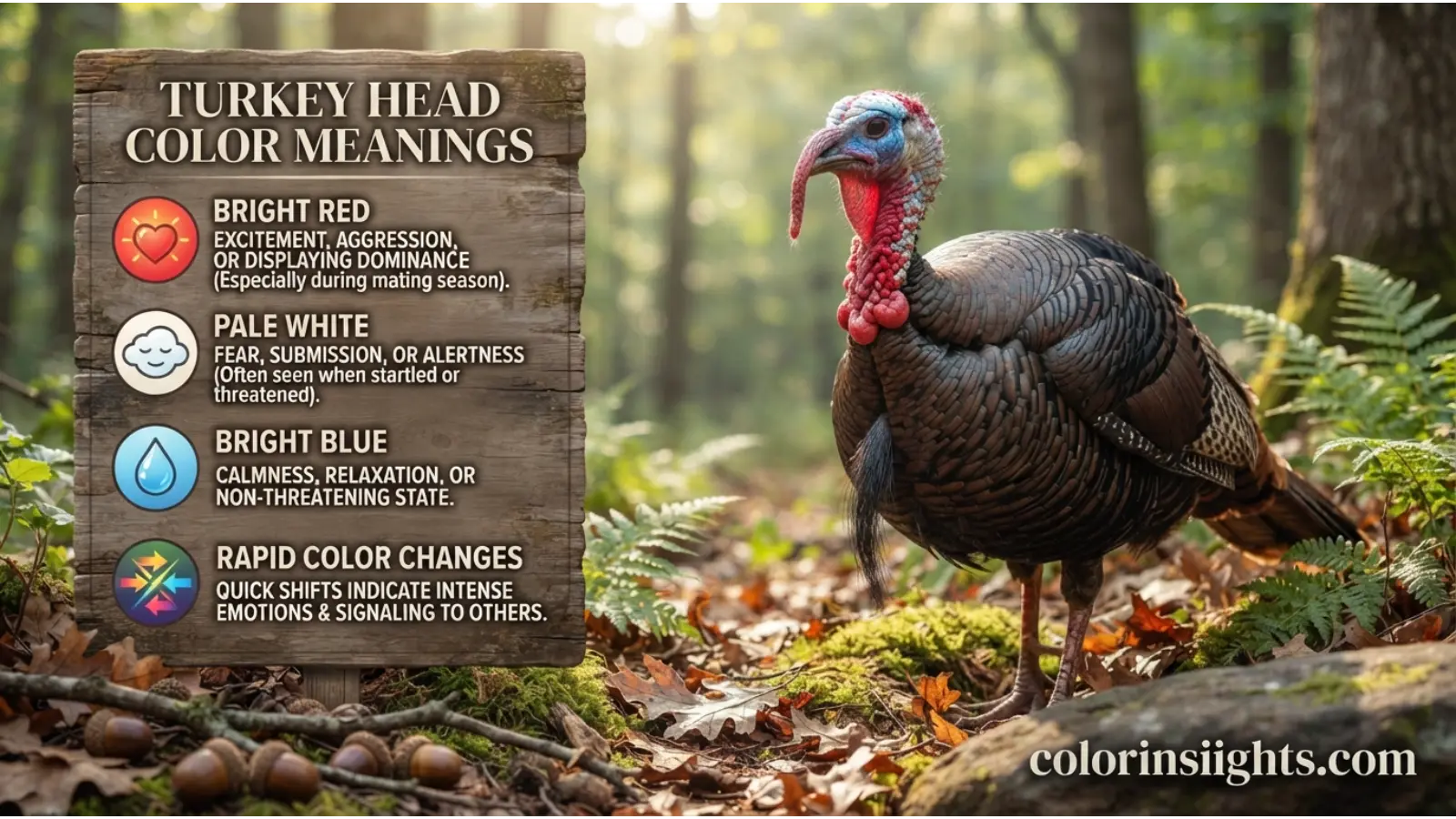
Turkey head color symbolizes communication through nature. Because a turkey’s bare skin changes color almost instantly, each shade serves as a visual signal to other birds. These colors reflect physiological changes caused by hormones, blood circulation, temperature, stress, and breeding activity.
Common symbolic meanings include:
- Red: Confidence, aggression, excitement, breeding readiness, and dominance.
- Blue: Calmness, alertness, social communication, and healthy circulation.
- White: Submission, fear, stress, or temporary emotional changes.
- Mixed Colors: Transition, adaptability, changing emotions, and environmental awareness.
In wildlife biology, these colors function as nonverbal communication rather than decorative features.
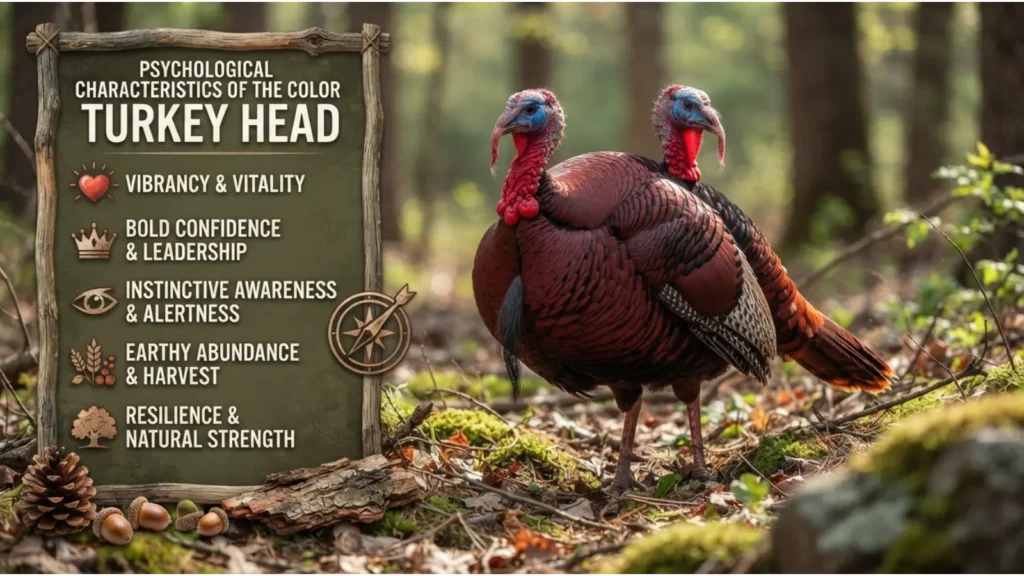
Psychological Characteristics of the Color Turkey Head
Although turkey head colors are biological signals rather than traditional color psychology categories, people naturally associate each color with familiar emotional meanings. Observing these changing colors often influences how humans perceive the bird’s behavior.
Emotional Associations
- Red suggests strength and confidence.
- Blue represents calmness and stability.
- White often signals caution or vulnerability.
- Color transitions indicate flexibility and adaptation.
Psychological Effects
Watching a brightly colored turkey often creates impressions of vitality and health. Rapid color changes communicate movement, emotion, and responsiveness, making the bird appear highly expressive.
Positive Emotional Responses
- Confidence
- Courage
- Energy
- Alertness
- Adaptability
- Natural beauty
- Intelligence
- Leadership
Negative Emotional Responses
- Aggression
- Intimidation
- Anxiety
- Fear
- Stress
- Unpredictability
- Competition
Impact on Mood and Behavior
People often interpret colorful turkey displays as signs of excitement or authority. During mating season, vivid red and blue heads appear impressive and commanding, while pale colors may evoke concern or sympathy.
Typical Human Reactions
- Curiosity about wildlife behavior
- Appreciation of natural adaptation
- Increased respect for animal communication
- Better understanding of turkey social dynamics
Spiritual Meaning of the Color Turkey Head
Many Indigenous traditions and spiritual teachings view the turkey as a symbol of abundance, gratitude, generosity, and connection to the Earth. While spiritual interpretations vary, changing head colors can represent transformation and emotional awareness.
Spiritual Symbolism
- Holiness: Respect for nature’s wisdom and life’s cycles.
- Wisdom: Observing the environment before acting.
- Purity: Honest communication without deception.
- Transformation: Constant adaptation to changing circumstances.
- Healing: Recovery through balance and patience.
- Protection: Warning signals that protect both individuals and the flock.
- Power: Leadership during mating and social interactions.
- Enlightenment: Awareness of one’s surroundings.
- New Beginnings: Seasonal breeding and renewal.
- Eternity: Nature’s continuous cycle of life.
Many spiritual interpretations focus more on the turkey itself than on individual head colors, emphasizing gratitude, prosperity, and community.
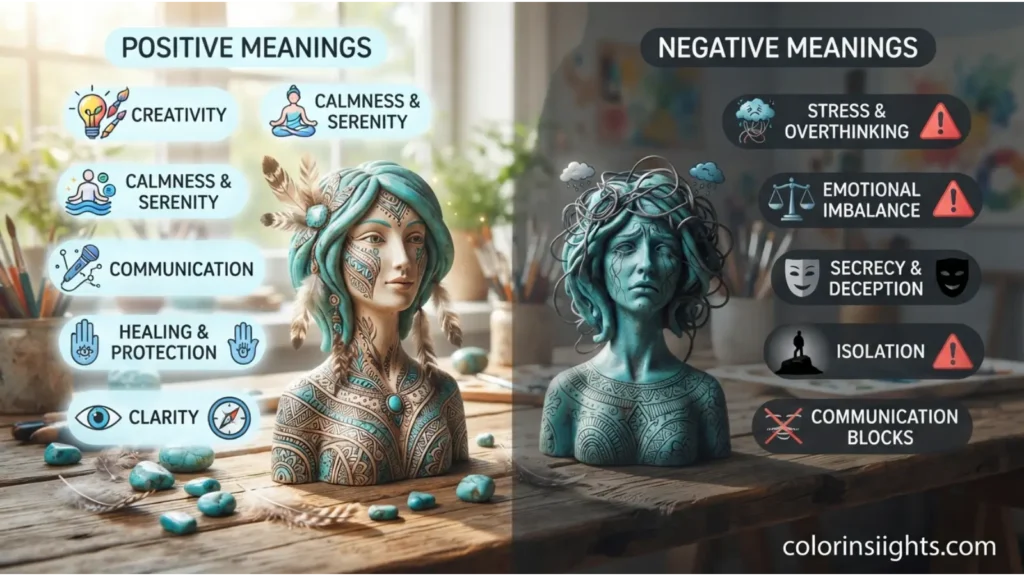
Positive and Negative Meanings of the Color Turkey Head
Positive Meanings
Turkey head colors often symbolize positive qualities related to survival and communication.
- Confidence: Bright red heads often appear during displays of dominance.
- Vitality: Rich colors usually indicate good health.
- Communication: Color changes help reduce unnecessary conflict.
- Awareness: Constant visual signals improve flock coordination.
- Adaptability: Colors shift according to changing environments.
- Leadership: Dominant males display stronger coloration.
- Resilience: Color changes demonstrate physiological flexibility.
- Natural Intelligence: Efficient visual communication supports survival.
Real-world example:
During spring breeding season, dominant male turkeys display vivid red and blue heads to attract hens and discourage rivals.
Negative Meanings
Certain turkey head colors may also indicate less favorable conditions.
- Fear: Pale or whitish coloration may appear during stress.
- Aggression: Intense red can accompany territorial disputes.
- Submission: Reduced coloration sometimes reflects lower social rank.
- Stress: Environmental pressure can temporarily alter colors.
- Competition: Bright displays often occur during rivalry.
- Vulnerability: Illness may reduce normal coloration.
- Instability: Frequent color changes may reflect emotional arousal.
- Warning: Sudden shifts alert nearby birds to danger.
Real-world example:
A startled turkey may rapidly change head coloration as part of its stress response before fleeing.
Meanings of the Color Turkey Head
Turkey head color meaning changes depending on biological context, season, social interaction, and environmental conditions. The same color can communicate different messages during courtship, feeding, or predator encounters.
Feng Shui
Turkey head colors are not traditional Feng Shui colors, but their symbolic qualities can inspire decorative themes.
Associated Element
- Fire (red)
- Water (blue)
Energy Symbolism
- Balance between action and calmness.
- Adaptability and awareness.
Best Rooms
- Living rooms
- Nature-inspired offices
- Study spaces
Recommended Color Combinations
- Earthy brown
- Forest green
- Deep blue
- Warm red
- Neutral beige
Home Decorating Tips
Use natural wood textures with earthy colors to reflect harmony, gratitude, and connection to wildlife without overwhelming the space.
Marketing
Although few companies specifically use turkey head colors as branding themes, the individual colors are widely applied in marketing psychology.
Branding Psychology
- Red attracts attention and signals excitement.
- Blue builds trust and reliability.
- Natural earth tones suggest authenticity.
Consumer Perception
Nature-inspired colors often communicate sustainability and tradition.
Trust Signals
Blue and earth tones increase perceptions of dependability.
Product Packaging
Outdoor equipment, wildlife organizations, and organic food brands often combine natural reds, blues, and browns.
Advertising Applications
Brands promoting conservation, agriculture, hunting gear, or eco-tourism frequently use wildlife-inspired color palettes.
Examples of Brands
- National Wild Turkey Federation
- Bass Pro Shops
- Cabela’s
- Ducks Unlimited
These organizations commonly incorporate earthy natural colors that reflect wildlife heritage.
Design
Turkey-inspired colors create warm, natural, and organic visual experiences.
Interior Design
- Rustic homes
- Cabin interiors
- Farmhouse décor
- Nature-themed spaces
Graphic Design
Designers use earthy palettes for environmental projects, educational materials, and outdoor branding.
Web Design
Natural color combinations create trustworthy and calming user experiences.
User Experience
Muted natural tones reduce visual fatigue while emphasizing authenticity.
Minimalist Aesthetics
Small accents of red or blue can add visual interest without overwhelming neutral backgrounds.
Fashion
Turkey head-inspired colors translate surprisingly well into fashion.
Clothing Symbolism
- Red communicates confidence.
- Blue represents stability.
- Brown reflects reliability.
- Earth tones symbolize authenticity.
Seasonal Use
These colors are especially popular during autumn and winter collections.
Styling Effects
Pair deep reds with navy blue or neutral beige for balanced outfits.
Personality Impressions
People wearing these colors may appear:
- Confident
- Grounded
- Trustworthy
- Adventurous
Advantages
- Easy coordination with neutral wardrobes.
- Suitable for casual and outdoor clothing.
Disadvantages
- Bright reds can dominate an outfit.
- Excessive earthy tones may appear dull without contrast.
Practical Example
A navy jacket with burgundy accessories and brown leather boots creates a sophisticated nature-inspired appearance.
Color Associations Are Not Universal
Color meanings differ across societies, historical periods, and religious traditions. Turkey head colors may also carry different symbolic interpretations depending on cultural context.
Western Cultures
Red commonly represents courage, passion, and strength, while blue symbolizes trust, stability, and honesty. White is often linked with purity or peace. Wildlife colors are frequently associated with autumn, Thanksgiving, and natural heritage.
Eastern Cultures
Many Eastern traditions associate red with prosperity, celebration, and good fortune. Blue may symbolize immortality, spirituality, or harmony depending on the culture. White can represent mourning in some regions, creating interpretations that differ significantly from Western symbolism.
Religious Traditions
Religious symbolism generally focuses on universal color meanings rather than turkey head colors specifically. Red may represent sacrifice or divine love, blue can symbolize heaven or wisdom, and white often signifies holiness and purity.
Historical Interpretations
Historically, Indigenous peoples valued the turkey as a symbol of abundance, generosity, and respect for nature. European settlers later connected the bird with harvest celebrations and seasonal gratitude.
Modern Global Interpretations
Today, turkey head colors are primarily understood through wildlife biology, conservation education, and birdwatching. Scientific explanations often complement rather than replace traditional symbolic meanings.
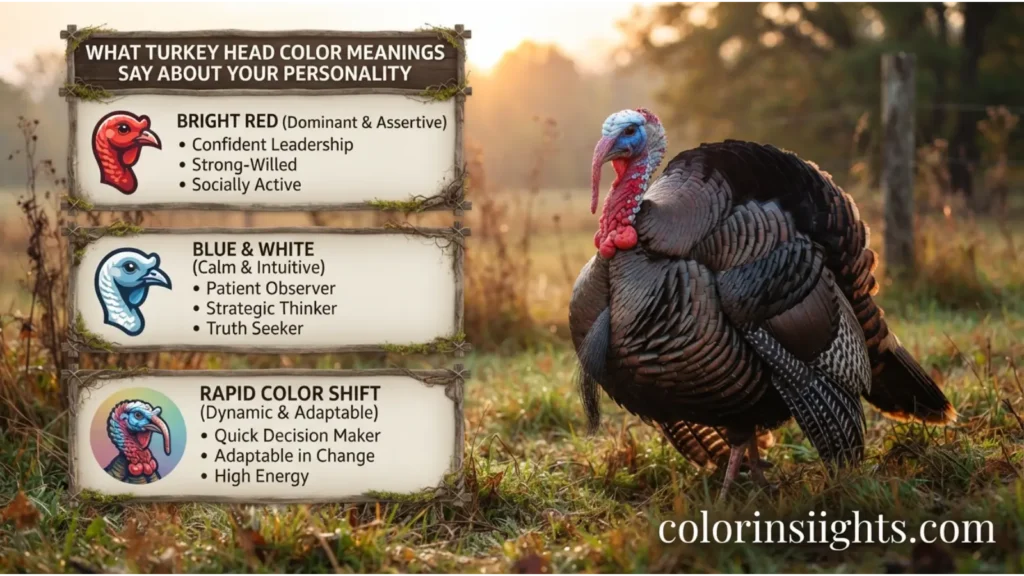
What Turkey Head Color Meanings Say About Your Personality
Some people feel especially drawn to the vibrant natural colors seen on turkey heads. While color preferences can reflect personal tastes and emotional tendencies, they do not scientifically determine personality.
Strengths
People attracted to these colors may value:
- Confidence
- Honesty
- Adaptability
- Leadership
- Curiosity
- Connection with nature
Weaknesses
Possible tendencies include:
- Competitiveness
- Stubbornness
- Emotional sensitivity
- Desire for recognition
- Occasional impatience
Social Behavior
They often appreciate teamwork while maintaining independence. Many enjoy outdoor activities and environmental conservation.
Work Style
They may perform well in careers involving education, biology, conservation, leadership, design, or agriculture.
Relationships
These individuals often value loyalty, open communication, and mutual respect.
Emotional Tendencies
Many prefer emotional honesty and adaptability rather than suppressing feelings. However, personality develops from genetics, environment, experiences, and culture—not color preference alone.
FAQs:
What defines turkey head color?
Turkey head color refers to the changing shades of red, blue, white, and pink that appear on a turkey’s featherless head due to blood flow, hormones, and emotional or physical conditions.
What does turkey head symbolize?
It symbolizes communication, health, dominance, courtship, awareness, and adaptation within turkey social behavior.
Why is turkey head color important?
It helps turkeys communicate without vocalizing, reducing conflict and signaling breeding readiness or potential danger.
Is turkey head color considered warm or cool?
Turkey head colors include both warm colors like red and cool colors like blue, making them highly dynamic rather than belonging to a single color family.
What emotions do turkey head colors represent?
Depending on the shade, they may represent confidence, calmness, excitement, fear, stress, alertness, or dominance.
What is the spiritual meaning of turkey head colors?
Spiritually, they often symbolize transformation, gratitude, awareness, protection, abundance, and personal growth.
What colors pair well with turkey-inspired colors?
Earthy brown, forest green, navy blue, cream, beige, charcoal gray, and muted gold complement turkey-inspired color palettes.
What does liking turkey head colors say about a person?
People who appreciate these colors often enjoy nature, authenticity, adaptability, and meaningful communication. However, color preference alone cannot define personality.
Why do turkey heads change color?
Their featherless skin contains specialized blood vessels that expand or contract in response to hormones, temperature, stress, excitement, and breeding activity.
Do all turkeys change head color?
Wild turkeys show the most noticeable color changes, especially adult males during the breeding season, although females can also display subtler variations.
Conclusion
Turkey head color meanings combine fascinating wildlife biology with rich symbolic interpretation. The changing shades of red, blue, white, and mixed tones communicate health, emotional state, dominance, courtship readiness, and environmental awareness. Beyond science, these colors have inspired spiritual symbolism, cultural traditions, design concepts, and educational discussions about animal communication.
While people naturally associate these colors with certain emotions and personality traits, their primary purpose is biological rather than psychological. Understanding turkey head colors offers a deeper appreciation of nature’s remarkable communication systems and highlights how color serves as a powerful language across both the natural world and human culture.